FDA Green Light and Arizona’s Push for Psychedelic Research
Last month, the Scottsdale Research Institute received a key green light from the U.S. Food and Drug Administration to start a clinical trial that could reshape the conversation around psychedelic treatments. This study is the first in the nation to use whole mushrooms for addressing post-traumatic stress disorder (PTSD), rather than relying solely on isolated psilocybin molecules. As an observer of both legal developments and experimental medical treatments, I find that this initiative underscores a growing recognition of alternative approaches and raises many questions about the regulatory and legal landscape.
The trial is set to be partially funded by $5 million in taxpayer money allocated by the Arizona Legislature and supported by Governor Katie Hobbs. Such bipartisan and state-level backing suggests that Arizona has firmly positioned itself at the forefront of this research, willing to explore tricky parts of new therapeutic methods that balance public health interests with legal oversight.
Psychedelic Therapy for PTSD: A Closer Look at the Study
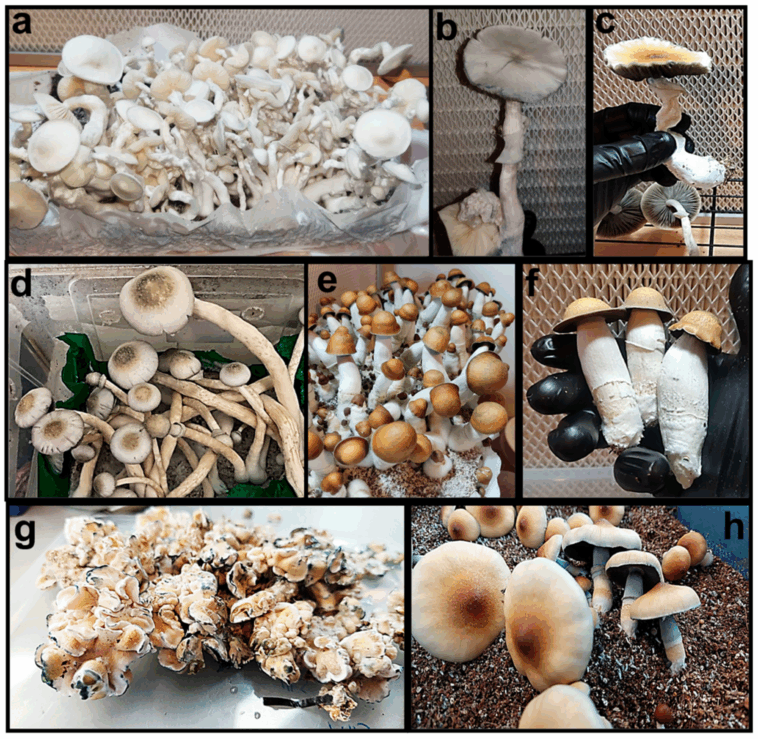
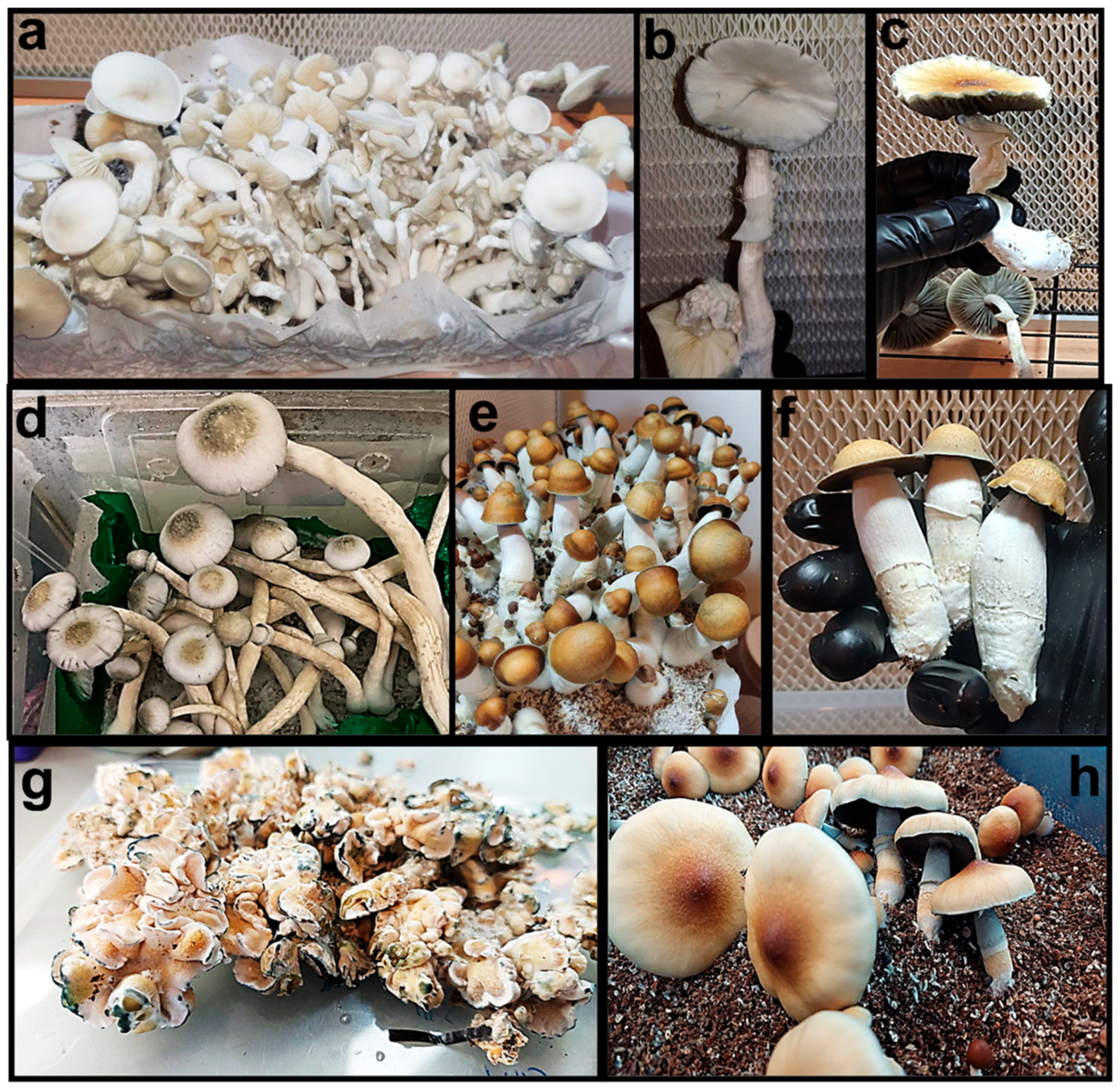
The upcoming trial, set to begin by the end of the year, will involve 24 participants divided into three groups—from firefighters and police officers to military veterans. These groups are chosen based on their unique experiences and the overwhelming burden that PTSD has placed on them. The study is designed to administer 30 milligrams of psilocybin using roughly 4.5 grams of whole psychedelic mushrooms, which the institute has grown under a DEA license.
Dr. Sue Sisley, the president and principal investigator at the Scottsdale lab, described the study in a press release as a landmark effort. The research will combine the effects of isolated psilocybin with the additional benefits delivered by other components naturally found in the mushroom. In doing so, the trial aims to dig into the subtle parts of the whole plant’s benefits, potentially offering a more effective treatment for PTSD than the past methods that have largely been limited to traditional pharmaceuticals and isolated compounds.
The Whole Mushroom Approach Versus Isolated Molecules
One of the most fascinating, yet complicated pieces of the research is the choice to use whole mushrooms rather than purified psilocybin alone. Unlike isolated molecules, whole mushrooms contain a mix of alkaloids and tryptamines that work together in ways we are only beginning to understand. This synergy could produce effects that are superior to or at least different from those observed in trials using single compounds.
Here is a table that compares the two methods:
| Aspect | Whole Mushrooms | Isolated Psilocybin |
|---|---|---|
| Composition | Contains a mix of alkaloids, tryptamines, and additional components | Pure psilocybin, isolated from other compounds |
| Synergy | May offer synergistic effects due to the presence of multiple active compounds | Lacks the additional supportive components present in the natural organism |
| Research Focus | Explores the fine points of whole organism-based therapy | Focuses on the documented effects of a single molecule |
| Regulatory Challenges | May face tricky parts in standardizing doses and effects due to variable natural composition | Easier to regulate with standard dosing across clinical settings |
Researchers argue that this whole mushroom method is more realistic for replicating the natural experience of consuming psychedelic substances. It could pave the way for more natural therapies in treating conditions like PTSD, where many patients feel that traditional treatments have not really helped them.
Synergistic Effects and the Science Behind the Study
During a state Psilocybin Research Advisory Council meeting earlier this year, Dr. Sisley explained how the combined presence of several naturally occurring compounds in the mushroom might be key to achieving meaningful therapeutic outcomes. The additional chemicals, which include various alkaloids and tryptamines, might interact in twisted and tangled ways that enhance psilocybin’s effects on neural pathways and emotional regulation.
For many individuals with PTSD, the mental health treatments that they have been offered so far have proven to be on edge and somewhat ineffective. By exploring the little details in how whole mushrooms function, researchers hope to provide an alternative avenue that could be both more holistic and less overwhelming than the typical array of medications prescribed today.
Legal and Regulatory Reflections on Psychedelic Trials
From a legal perspective, the approval of a psychedelic trial involving whole mushrooms is layered with challenges and potential pitfalls. The FDA’s decision to lift the trial’s hold in March represented a critical break in the previous barriers that had prevented similar studies from moving forward. However, while FDA approval is a significant achievement, the study still awaits final nod from the Drug Enforcement Administration (DEA), which is expected to come in the coming weeks.
Until that final stamp is granted, researchers, participants, and observers alike must steer through the confusing bits of administrative and regulatory requirements. Often, these legal hurdles can seem as nerve-racking as they are necessary, striking a delicate balance between preserving public safety and allowing science to innovate.
Moreover, the Institutional Review Board (IRB) has already signed off on the study, indicating that there is a broad consensus among experts that this trial has the potential to transform treatment paradigms. However, every step of the process is subject to meticulous legal scrutiny, underlining the importance of clear laws that encourage research while ensuring public safety.
Bipartisan Support and Its Implications for Future Policies
A notable element in Arizona’s support for the study is its bipartisan funding behind the research. Representatives from different political backgrounds have expressed similar enthusiasm for this innovative exploration into mental health treatment. Former state Rep. Kevin Payne, now serving in the Arizona Senate, was quoted in the institute’s press release, lauding the pioneering nature of the study.
Such political backing is super important and could help lend stability to an area of research that many still regard as off-putting or intimidating due to its uncharted territory. Bipartisan support not only facilitates the funding of these studies but also helps prepare a legal framework that can accommodate further growth in the field of psychedelic treatment, especially for conditions like PTSD.
The following bullet list highlights some of the key benefits of bipartisan support in this context:
- Ensures sustained funding for cutting-edge research
- Facilitates the establishment of sound regulatory policies
- Encourages a more open discussion about mental health treatment alternatives
- Helps build public trust by showing that the research is endorsed by representatives across the political spectrum
Challenges in Participant Selection and Study Design
The study will involve dividing the participants into groups based on their background—firefighters, police officers, and military veterans. These groups are particularly suited for the trial as they have historically been exposed to traumatic experiences. Dr. Sisley noted that hundreds expressed interest; however, careful screening is required to weed out individuals who might not meet the study’s criteria. For instance, potential participants must not have received ketamine treatment or used other psychedelics in the previous year. Such criteria are designed to ensure reliable results, although they can sometimes feel as overwhelming as navigating a maze of little twists and fine shades in the selection process.
Considering these criteria, participant screening involves several steps:
- Initial consultation and background verification
- Psychological assessment to confirm PTSD diagnosis
- Exclusion of participants with recent psychedelic use or alternative treatments
- Monitoring of baseline mental health parameters before dosing
Managing the careful selection process is not without its own set of tricky parts. The overlap between past treatment, current symptoms, and potential side effects of the psychedelic infusion introduces a series of tangled issues that require close attention. Nevertheless, proponents believe that the potential benefits might outweigh the risks, and that the study’s design is robust enough to capture meaningful data on the therapeutic potential of whole mushrooms.
Assessing the Therapeutic Impact on PTSD Treatment
The study is expected to open new dialogues around patient-centered care in mental health. For many PTSD sufferers, traditional treatments—including a long list of medications—have often felt as intimidating and off-putting as they are lifelong. The potential for a single intervention to shift the course of this condition is not only inspiring, but it also represents a key step toward more holistic approaches that could eventually become standard practice.
Dr. Sisley has suggested that while complete remission of PTSD might not be achieved through a single intervention, the study could serve as a catalyst—opening participants’ minds to alternative paths toward healing. This perspective introduces a cautious optimism about the future of mental health treatment that emphasizes patient empowerment alongside conventional methods.
When evaluating the potential impact of such research, a few points stand out:
- Potential to reduce dependency on heavy medication regimens
- Opportunity to better understand how holistic treatments can work alongside conventional therapies
- Evidence-based data that may inform future legal and medical policies
- A more personalized approach to treatment, especially for groups historically underserved by traditional therapies
Legal Hurdles and Regulatory Reflections in Psychedelic Research
While the study’s progress is exciting from a scientific perspective, the legal and regulatory environment surrounding psychedelic research remains a maze of intricate challenges. Although the FDA’s approval marks a turning point, there are still numerous twists and turns left. The pending final approval from the DEA, for example, stands as a reminder that even promising research must contend with a regulatory framework that is full of problems and on edge.
Notably, researchers and legal experts alike must figure a path through these issues that considers both the potential benefits of psychedelic treatments and the concerns of public safety, misuse, and long-term effects. Some of the key regulatory questions include:
- How will dosing guidelines be standardized given the varied composition of whole mushrooms?
- What measures are in place to monitor adverse effects during and after the trial?
- What legal precedents might this study establish regarding the classification of psychedelic substances?
- How might this research influence future policy decisions not just on a state level, but nationwide?
Each of these questions is layered with legal twists and tangled issues that require deliberative and balanced discussion among lawmakers, scientists, and the broader community.
Implications for Future Legal Policies and Medical Practices
The implications of the Scottsdale study extend far beyond the confines of Arizona or even the realm of mental health treatment. As the trial proceeds, it could spark changes in how lawmakers approach and regulate psychedelic research across the United States. The legal landscape for controlled substances has long been a battleground of contrasting views, and now, more than ever, there is a push toward evidence-based policies that reflect modern scientific understandings.
The following table outlines potential policy impacts stemming from this type of research:
| Area | Potential Impact |
|---|---|
| Controlled Substance Regulation | Reassessment of scheduling classifications for naturally occurring psychedelics |
| Medical Research | Increased funding and legal support for alternative treatment research |
| Patient Care | Development of more holistic treatment protocols for PTSD and other mental health disorders |
| Legal Precedents | Establishing frameworks for the integration of novel therapies into mainstream medicine |
These potential impacts highlight how essential it is for policymakers to be open to new evidence and innovative approaches—even when these approaches are mired in the confusing bits of legal tradition and regulatory caution. Finding a balance between innovation and safety is a challenge that lawmakers must work through meticulously.
Understanding the Patient Perspective and the Need for Change
Perhaps one of the most compelling arguments in favor of experimenting with whole mushrooms is the personal testimony of those who have found no relief in conventional treatment. Many individuals with PTSD are caught in a repetitive cycle of medication that often feels overwhelming and ineffective. The emerging clinical trial offers a glimmer of hope—a possibility for treatments that better address the tangled issues of mental health challenges.
For countless sufferers, traditional treatments have been as intimidating as they are insufficient. The appeal of a single, alternative intervention lies in its potential to usher in not just improved symptoms, but a broader shift in how society treats mental health conditions. Patients have voiced that the current system leaves them feeling stuck in a mental health hamster wheel, where the same approaches circulate without any real breakthroughs.
In listening to these voices, the research community is taking a closer look at how alternative treatments can be integrated into standard health care practices. A dialogue that involves not just health professionals, but also legal experts, policymakers, and the affected individuals, is critical to ensuring that any new treatment protocol is safe, effective, and legally sound.
Practical Considerations for Managing Psychedelic Trials
As the trial gets closer to its dosing phase in December, the study team is busy managing details on how to best implement the research. The process involves addressing several practical issues that can sometimes feel as daunting as they are essential. Some of these considerations include:
- Ensuring consistent dosing from naturally grown mushrooms
- Training medical staff to carefully monitor participants during and after dosing
- Handling emergency protocols in case participants experience severe side effects
- Collecting and analyzing data in a way that is both rigorous and practical
- Maintaining clear communication between regulatory bodies, researchers, and the trial participants
Each step, from the final approval by the DEA to post-dosing care, is woven with fine shades of complexity that must be managed carefully. When all the pieces fall into place, the trial could offer critical insights into how psychedelic therapies might be employed more widely and safely in the future.
Examining the Broader Cultural and Legal Context
The renewed interest in psychedelic treatments is not just a scientific or medical phenomenon—it also reflects broader cultural shifts. In recent years, there has been a growing movement to reevaluate substances that were once demonized by law and society. This shift is evident not only in research funding and policymaking, but also in the broader public conversation about mental health and wellness.
Historically, psychedelics have been stigmatized, but emerging studies like the one led by the Scottsdale Research Institute help challenge those outdated perceptions. By taking a measured, evidence-based approach, the legal community is beginning to see that these treatments can be both safe and valuable when used under strict professional oversight. This cultural recalibration is slowly influencing legislative reforms and prompting regulators to take a closer look at how controlled substances are managed.
Moreover, the pathway to policy change is often full of twist and turns that involve not just scientific data, but also public sentiment, expert opinions, and legal challenges. Legal professionals must steer through these debates by balancing the right to experiment with new treatments against the need for cautious, incremental legal reform.
Future Directions: What This Means for Legal Policy and Health Care
Assuming the trial successfully demonstrates positive outcomes, its impact could be far-reaching. The legal framework surrounding psychedelic substances may need to be revisited. Current regulations, which were often written when these substances were less understood, might be updated to reflect contemporary scientific insights. This evolution in policy could lead to:
- Relaxed restrictions for certain natural substances under controlled research settings
- New guidelines for clinical trials involving whole plant therapies
- Stronger collaboration between state and federal agencies on mental health research
- An increased willingness to fund exploratory studies that challenge traditional medical models
For the medical community, a successful trial may also encourage the adoption of more holistic treatment strategies. The hope is that future protocols might integrate these alternative methods with conventional therapies, providing patients with a fuller array of treatment options. Such changes could lead to more personalized care models, tailored specifically around the unique needs and experiences of patients with PTSD and other mental health disorders.
This reevaluation of legal and medical standards will require active participation from lawmakers, researchers, and patient advocacy groups. Open forums, bipartisan legislative efforts, and increased funding for similar studies are all signs that this field is headed for significant evolution in the coming years.
Reflections on the Role of the Legal Community in Health Care Innovation
As legal experts and policymakers continue to review evidence from studies like the one underway in Arizona, it is essential to acknowledge the responsibility that comes with such decisions. The legal community is often called upon to find your way through a maze where public health, patient rights, and safety concerns intersect with decades-old regulations. The current study presents an opportunity to take a closer look at how laws can be modernized to support innovative treatments while preserving essential safeguards.
For instance, future legal reforms could include clearer definitions of what constitutes natural therapeutic use of controlled substances, which in turn would help alleviate fears and misunderstandings. It is crucial to manage these discussions openly, with input from healthcare providers, researchers, and even patients who have traversed the long and difficult road of PTSD treatment.
Correspondingly, legal experts might review past case law and regulatory decisions to craft a framework that supports experimental therapies in a cautious yet progressive manner. The delicate balance between safety and progress is one of the most persistent challenges—one that is both intimidating and off-putting, yet ultimately necessary for progress.
Looking Ahead: The Evolution of Psychedelic Law and Policy
As Arizona’s groundbreaking trial moves forward, it is clear that the implications will extend well beyond the confines of a single study. The legal and regulatory evolution that could follow might well redefine how society handles not only psychedelics, but alternative therapies at large. If successful, this study could become a case study in balancing innovative research with rigorous legal oversight, paving the way for additional trials across the country.
Key future trends to watch include:
- Legislative updates on the scheduling of naturally derived substances
- Increased funding for state-sponsored psychedelic therapy research
- Collaborations between federal, state, and academic institutions to ensure rigorous oversight
- Greater public discourse on the potential benefits and risks associated with alternative mental health treatments
Each of these trends presents both opportunities and complicated pieces that will require careful legal, clinical, and societal consideration. The evolving landscape of psychedelic research, supported by studies like this one, hints at a future where the law is more adaptable to scientific advances and patient needs.
Conclusion: A Legal and Medical Crossroads
In conclusion, the upcoming clinical trial at the Scottsdale Research Institute represents more than just an experiment with whole mushrooms—it is a pivotal moment at the crossroads of legal policy, medical research, and mental health treatment. Researchers and policymakers alike are set to dive in and explore the fine points of psychedelic therapy, balancing innovative science with the tangled issues of regulatory oversight.
The study offers hope to many who have long suffered under the weight of traditional PTSD treatment paradigms. It also forces the legal community to get into difficult discussions about how best to modernize outdated regulations without compromising essential public safeguards. With bipartisan backing and rigorous preliminary approvals already in place, the future of this research looks promising, despite the nerve-racking challenges that still lie ahead.
As we take a closer look at this unfolding story, it is essential to remain neutral and open-minded about both the potential benefits and the complicated legal terrain ahead. The success or failure of this trial could well set the stage for a broader transformation in how we view and regulate alternative therapies not only in Arizona, but across the nation. Only time will tell how this experiment in innovation will shape the future of legal policy and treatment for PTSD.
In a world where traditional mental health treatments often leave patients feeling overburdened and disenfranchised, exploring new treatments that integrate the whole spectrum of natural compounds represents a leap forward. Whether this study ultimately leads to significant legal reforms or remains a pioneering experiment, its influence is likely to be felt across multiple domains—from the corridors of legislative bodies to the daily struggles of those battling PTSD.
It is incumbent upon the legal community, the scientific research establishment, and policymakers to work together in managing your way through these regulatory and practical challenges. By remaining committed to evidence-based practices and maintaining an open dialogue, we may yet find a path toward more effective, humane, and holistic treatments for those in desperate need.
Ultimately, the journey ahead is loaded with issues and subtle details that require us to be both cautious and progressive. Whether you are a patient, a legal scholar, or simply an interested citizen, this development in psychedelic research offers a rich tapestry of questions and possibilities—each as important, and as intricate, as the fine shades of a delicate legal and medical balance.
Originally Post From https://www.phoenixnewtimes.com/news/scottsdale-lab-begin-psychedelic-mushroom-study-end-year-40616981/
Read more about this topic at
Psychedelic-Assisted Therapy for PTSD
Psychedelic Clinical Trials and Research