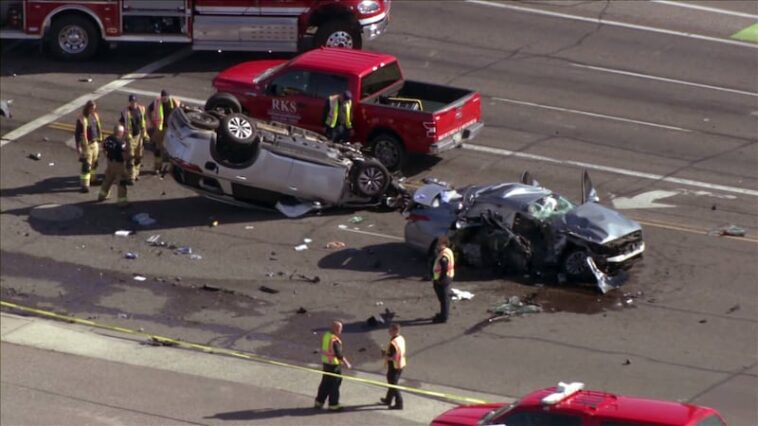

Law Enforcement Collisions in Avondale: A Closer Look at an Unsettling Incident
In recent weeks, an incident in Avondale, Arizona—one that involved an Arizona Department of Public Safety trooper and resulted in significant vehicle damage and injuries—has stirred discussions about the challenges faced by crash victims, the legal system, and local law enforcement. While the official reports have provided only preliminary details, the event raises numerous questions about accountability, safety protocols, and the tangled issues surrounding collisions involving emergency vehicles.
One cannot help but be struck by the irony that society often listens to the voices of famous personalities like Sting. Now, however, the attention is demanded by the victim in this unsettling case. As the investigation unfolds, this collision offers an important opportunity for us to examine not only the specifics of the incident but also the broader implications for personal injury law and the legal journey faced by those directly affected.
Examining the Context of the Avondale Crash
The crash occurred at the intersection of 107th Avenue and Lower Buckeye Road on the evening of November 13, 2025. A damaged vehicle and a DPS patrol unit—later to be towed—formed the dramatic centerpiece of an accident that forced emergency responders to work quickly under intimidating circumstances. Although the specifics regarding the severity of the injuries remain under wraps, initial accounts indicate that at least one person sustained injuries. The resultant uncertainty about cause and responsibility highlights the nerve-racking nature of accidents involving law enforcement vehicles.
At its core, an accident involving a police vehicle is a situation laden with problems and often comes with its own set of challenging legal twists and turns. The fact that these events may trigger tangled issues that extend beyond the immediate crash site should not be overlooked. From the first moment of impact to the eventual legal recourse sought by victims, each phase is replete with confusing bits and small distinctions that can ultimately affect the outcome of any legal claim.
Understanding the Legal Framework in Law Enforcement Accidents
When a collision involves a police vehicle, the legal process that follows is frequently complicated by multiple layers of responsibility, liability, and procedural nuances. Claims against government entities, in particular, demand meticulous attention because such lawsuits often come with strict deadlines and detailed filing procedures. These cases involve delving into fine points that require specialized expertise.
For many crash victims and their families, figuring a path through these legal twists and turns might feel overwhelming. The battle to secure fair compensation often begins with ensuring that the right evidence is collected, police reports are thoroughly reviewed, and witness statements are taken into account. This determination is critical when it comes to addressing the medical bills, lost wages, and long-term pain that many victims endure.
Key Steps in the Legal Process
Below is an outline of the key steps involved when a crash involving a law enforcement vehicle escalates into a legal matter:
- Immediate Medical Treatment and Documentation of Injuries
- Collecting Evidence Including Photographs, Witness Accounts, and Police Reports
- Consulting with a Car Accident Lawyer who understands the legal twists and turns unique to such cases
- Filing a Claim Against the Responsible Government Entity
- Engaging in Settlement Negotiations or Litigation
- Obtaining Compensation for Medical Care, Lost Income, and Other Damages
Each of these steps entails fighting through confusing bits and tangled issues that law enforcement-related accident cases often present, particularly when the incident involves multiple parties and layers of government oversight.
Responsibility and Accountability in Police Vehicle Crashes
The collision in Avondale not only serves as a personal tragedy for those involved but also as a case study in the broader context of public safety and governmental accountability. When an accident involves a police vehicle, many factors must be taken into account, including the role of the officer, the operation of the vehicle under stressful conditions, and the potentially unpredictable reactions of other drivers.
In busy intersections like the one at 107th Avenue and Lower Buckeye Road, the risk of collisions is compounded by low visibility, high speed, and the frantic pace of emergency responses. Such intersections are often the sites of complicated pieces that ultimately require careful legal and factual analysis. Victims must be prepared to work through these issues with legal counsel who understands every little twist of the case.
Factors Contributing to the Collision
A table outlining potential contributing factors might help clarify why such incidents are so vulnerable to complications:
| Factor | Description |
|---|---|
| High-Speed Response | The urgency of responding to emergencies may result in high-speed maneuvers that increase the risk of accidents. |
| Reduced Visibility | Nighttime traffic and poor lighting conditions, especially at intersections, can obscure the view of both officers and other drivers. |
| Driver Reaction Times | Other drivers might have delayed reactions when a patrol unit uses lights and sirens, leading to unexpected collisions. |
| Infrastructure Limitations | Intersections with complex layouts and inadequate signage can further complicate emergency response situations. |
These factors, combined with the inherent nerve-racking pressure faced by emergency responders, create a scenario where even small mistakes can lead to a cascade of injuries and financial losses.
Examining the Tricky Parts of Investigating Law Enforcement-Related Collisions
Investigating a collision that involves a law enforcement vehicle is replete with tricky parts and confusing bits that can complicate the legal process exponentially. Multiple agencies, including local police departments, state troopers, and sometimes federal entities, may become involved in the investigation. This plurality can lead to conflicting witness reports, varied perspectives, and often delays in pinpointing the exact cause of the accident.
Investigators have to dig into the details with exceptional care, reviewing a mélange of sources from police reports and eyewitness accounts to technical vehicle assessments. The inherent nature of these accidents means that every factor—from the timing of the emergency response to the design and layout of the intersection—has to be closely analyzed. For the affected parties, this dive in the nitty-gritty of the case is both challenging and intimidating.
Challenges During the Investigation
Some of the main challenges investigators face include:
- Coordinating between multiple law enforcement and regulatory agencies
- Interpreting conflicting evidence and witness testimonies
- Managing technical assessments of vehicle damages and accident scenes
- Determining whether contributory negligence played a role
- Securing and preserving physical evidence under timely conditions
These steps, while essential, highlight the laborious process of finding a path through the maze of tangled issues that the aftermath of such a crash presents.
Legal Representation and Support: An Essential Step for Crash Victims
For individuals injured in accidents involving law enforcement vehicles, obtaining qualified legal counsel is not just important—it is critical. The process of filing claims and negotiating settlements is full of problems that require the insight and experience of a well-versed lawyer. With the potential for bureaucratic delays and complex liability issues, victims may find the journey to take a fair resolution both nerve-racking and overwhelming.
A specialized car accident lawyer, particularly one with experience in cases involving public entities and emergency vehicle operations, can be a key ally in this process. By understanding the subtle parts of the case and systematically addressing every fine detail, these legal experts can help build a strong case for compensation. Their role is to carefully examine police reports, witness testimonies, and forensic evidence to establish the accountability of one or more parties.
How Legal Counsel Can Help
Below are some ways in which an experienced attorney can assist crash victims:
- Gathering and preserving essential evidence as soon as possible
- Reviewing complicated pieces of police reports and legal documents
- Working with accident reconstruction experts to rebuild the crash scenario
- Identifying all responsible parties—both individual and institutional
- Assisting with filing legal claims within the prescribed deadlines
- Negotiating with insurance companies for fair compensation
The importance of having a dedicated attorney to manage these ever-shifting legal concerns cannot be overstated—especially when faced with the intimidating legal procedures and nerve-wracking public scrutiny that often accompany law enforcement-related accidents.
The Broader Implications for Policy and Public Safety
Beyond the immediate hardships faced by individuals, cases like the Avondale collision prompt a broader conversation about public safety and policy. With emergencies happening more frequently and intersections in high-traffic areas continually presenting risks, it becomes clear that there is a pressing need for improved safety protocols and better infrastructure design.
Policymakers and law enforcement leaders must work together to address these issues, ensuring that emergency responses do not compromise the safety of drivers and pedestrians alike. By investing in better traffic controls, enhanced training for officers under high-pressure situations, and improved infrastructure at critical intersections, local governments can help reduce the likelihood of future accidents.
Potential Policy Enhancements
Some potential areas for improvement include:
- Traffic Signal Upgrades – Modernizing signal systems at key intersections to improve visibility and timing can help reduce reaction delays.
- Officer Training Programs – Developing advanced training modules focused on high-speed emergency driving and crisis management.
- Improved Signage and Road Markings – Clarifying directions at complex intersections to minimize confusion for all drivers.
- Enhanced Data Collection – Investing in technology that provides real-time data to better determine the causes of accidents.
- Multi-Agency Collaboration – Establishing streamlined communication protocols among various law enforcement and emergency services.
These considerations, if put into practice, can transform a nerve-wracking accident environment into a safer, more controlled space for everyone.
The Impact on the Victims: A Personal and Community Loss
For the individuals directly impacted by this collision, the consequences are both immediate and long-lasting. Beyond physical injuries and the associated medical bills, victims often find themselves grappling with loss of income, emotional trauma, and the burden of navigating a legal process that is as intimidating as it is confusing.
The personal toll is immense. Families must cope with sudden changes in daily life, potentially facing financial hardships and emotional strains. While many find solace in community support and legal representation, the journey to recovery is rarely straightforward. Each step taken—from obtaining accurate medical diagnoses to seeking appropriate compensation—requires persistent determination amid a web of regulatory and procedural twists and turns.
Emotional and Financial Consequences
A bullet list of potential impacts on victims includes:
- Medical expenses and long-term rehabilitation costs
- Loss of income due to inability to work
- Emotional stress and potential mental health challenges
- Disruption of daily life and family routines
- Difficulty in securing fair compensation amidst tangled legal issues
These challenges underscore why it is so essential for victims to seek immediate legal advice, ensuring that their rights remain protected and that their voices are heard as the investigation and legal processes move forward.
Setting a Precedent: The Future of Legal Action Against Law Enforcement Vehicles
The Avondale case, while still under investigation, could set an important legal precedent for future actions involving law enforcement vehicles. By shedding light on the hidden complexities of such cases, legal experts can advocate for changes that might streamline the process and make it less intimidating for future victims.
In communities across the country, residents can learn from this incident. Municipalities are already rethinking how emergency responses are handled and considering ways to reduce the risk of injuries and legal disputes arising from similar crashes. This incident acts as a catalyst for a broader discussion about justice, accountability, and public safety.
Ways in Which Future Cases Could Benefit
Improved legal frameworks and community policies could lead to:
- Faster investigations due to clearer protocols for emergency vehicle involvement
- Simpler legal processes when claims are filed against public entities
- More comprehensive insurance coverage that accounts for the unique circumstances of law enforcement collisions
- Enhanced public trust in both law enforcement and the legal system
- Better compensation outcomes for victims through more transparent evidence collection and review
Ultimately, these improvements will help ensure that victims receive the support they need, while also safeguarding the integrity of public safety operations.
Reevaluating the Role of Emergency Services in Public Accidents
It is important to recognize that while law enforcement vehicles play a critical role in keeping communities safe, their involvement in accidents introduces a series of challenging legal pieces that must be addressed. These events are not simply isolated incidents; they reflect broader operational issues that need careful attention from both legal experts and public officials.
For many, the irony of a safety measure turning into a potential hazard prompts a closer look at the balance between rapid emergency response and public safety. Systems must be designed so that officers can carry out their duties effectively without inadvertently placing others at risk. This means not only refining driving protocols and accident response strategies but also ensuring that the investigative and legal frameworks are equipped to handle the nerve-wracking aftermath of such incidents.
Key Considerations for Emergency Services Reform
Some of the key aspects that could be reformed include:
- Advanced Training – Focusing on the little details of emergency response driving to reduce the risk of accidents.
- Technology Integration – Leveraging modern technology such as dash cams and real-time data analytics to better document and analyze incidents.
- Community Engagement – Involving local communities in discussions about safety measures and legal reforms to address public concerns.
- Policy Adjustments – Streamlining the processes for filing and investigating claims related to law enforcement collisions.
A combination of these approaches can help reduce the unpredictable twists and turns that currently complicate the legal proceedings following a collision. By learning from unfortunate incidents like the Avondale crash, stakeholders can work together to build a safer, more just system.
Reflections on Justice and the Path Forward
As we reflect on the Avondale collision, it is evident that the journey toward justice in cases involving law enforcement vehicles is often loaded with issues that make every step of the process perceived as intimidating and even nerve-racking. Victims are left to navigate a maze of paperwork, deadlines, and technicalities, each of which underscores the need for experienced legal support.
The legal system, with all its twists and turns, must strive to address the hidden complexities that prevent many from receiving fair treatment. Even as investigations continue and policy reforms are debated, the hope is that enhanced legal frameworks and more attentive public oversight will pave the way for smoother, more transparent handling of such incidents in the future.
Future Directions for Legal and Policy Reforms
Looking ahead, several critical areas need attention:
- Transparent Investigations – Ensuring that investigations into police vehicle collisions are conducted impartially and thoroughly, so victims receive clear and consistent information.
- Legal Clarity – Simplifying the legal process for filing claims, particularly when multiple agencies are involved, can help reduce the intimidating legal pieces often encountered in these cases.
- Community-Based Solutions – Engaging with the community to shape policies that not only address accident prevention but also provide clear pathways to justice for victims.
- Strengthening Insurance Protocols – Collaborating with insurance companies to ensure that compensation for accident-related losses is both fair and timely.
It is hoped that these future directions will lead to a more streamlined system—one where victims, legal professionals, and public safety officials can work together to resolve claims without the overwhelming burden of excessive legal procedures. In turn, this can help restore public confidence and ensure that justice is truly served.
Conclusion: Toward a More Just and Safe Future
The Avondale crash is a stark reminder of how quickly emergency measures can inadvertently lead to severe consequences. As we continue to process the impact of this unfortunate event, it remains essential that victims receive the full measure of legal protection and support. The tangled issues presented by collisions involving law enforcement vehicles call for legal advocacy that is as compassionate as it is rigorous.
For victims and their families, engaging with experienced attorneys who understand every little twist of these cases is super important. Whether dealing with immediate medical bills, lost wages, or the emotional strain ushered in by such a nerve-wracking ordeal, the road to recovery must be filled with clear guidance and steadfast support. By addressing every fine shade of the accident’s aftermath, the legal community can help pave the way for a fair outcome and, ultimately, a more secure public safety environment.
In a broader sense, this case is not only about the immediate fallout of a single accident—it is a call to action. Local governments, law enforcement agencies, and the legal community alike must work together to weed out the confusing bits and tangled issues that have long impeded the effective handling of such incidents. Only then can we shift toward a future where accidents are met with clear, effective responses that protect the rights and wellbeing of all involved.
As observers and stakeholders in our communities, we are reminded that progress demands that we take a closer look at every aspect of our emergency systems, legal frameworks, and public policies. By embracing change and addressing the nerve-wracking challenges head-on, we can build a justice system that stands firm in the face of adversity—one that not only listens to its victims but also guarantees that safety and accountability remain at the forefront of public service.
Ultimately, the journey toward reform is a collective undertaking. Whether you are a victim seeking legal recourse, a policy maker drafting essential new guidelines, or simply a concerned citizen, the Avondale case exemplifies that every step you take matters. In our shared pursuit of justice, every little action—every piece of evidence gathered, every legal detail argued, and every policy change implemented—contributes to a safer, more equitable future for all.
Originally Post From https://www.nationalinjuryhelp.com/avondale-az-injury-crash-at-107th-ave-lower-buckeye-rd/
Read more about this topic at
How Does Car Accident Compensation Work In New York?
Filing Claims Under Your Own Policy