Editorial Analysis: The Arrest in the Challistia Colelay Case
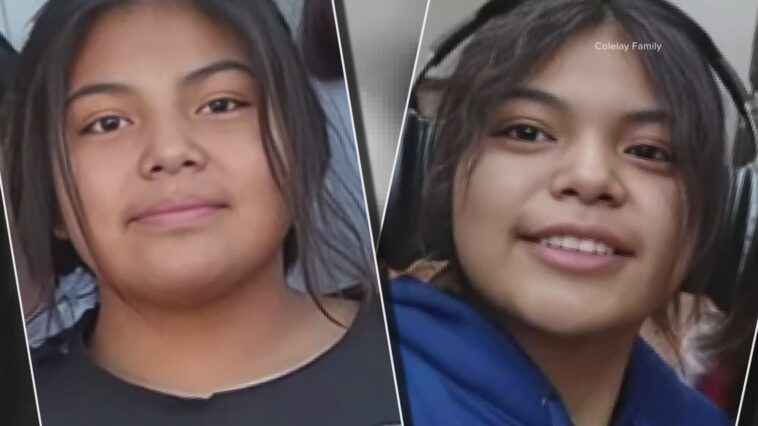
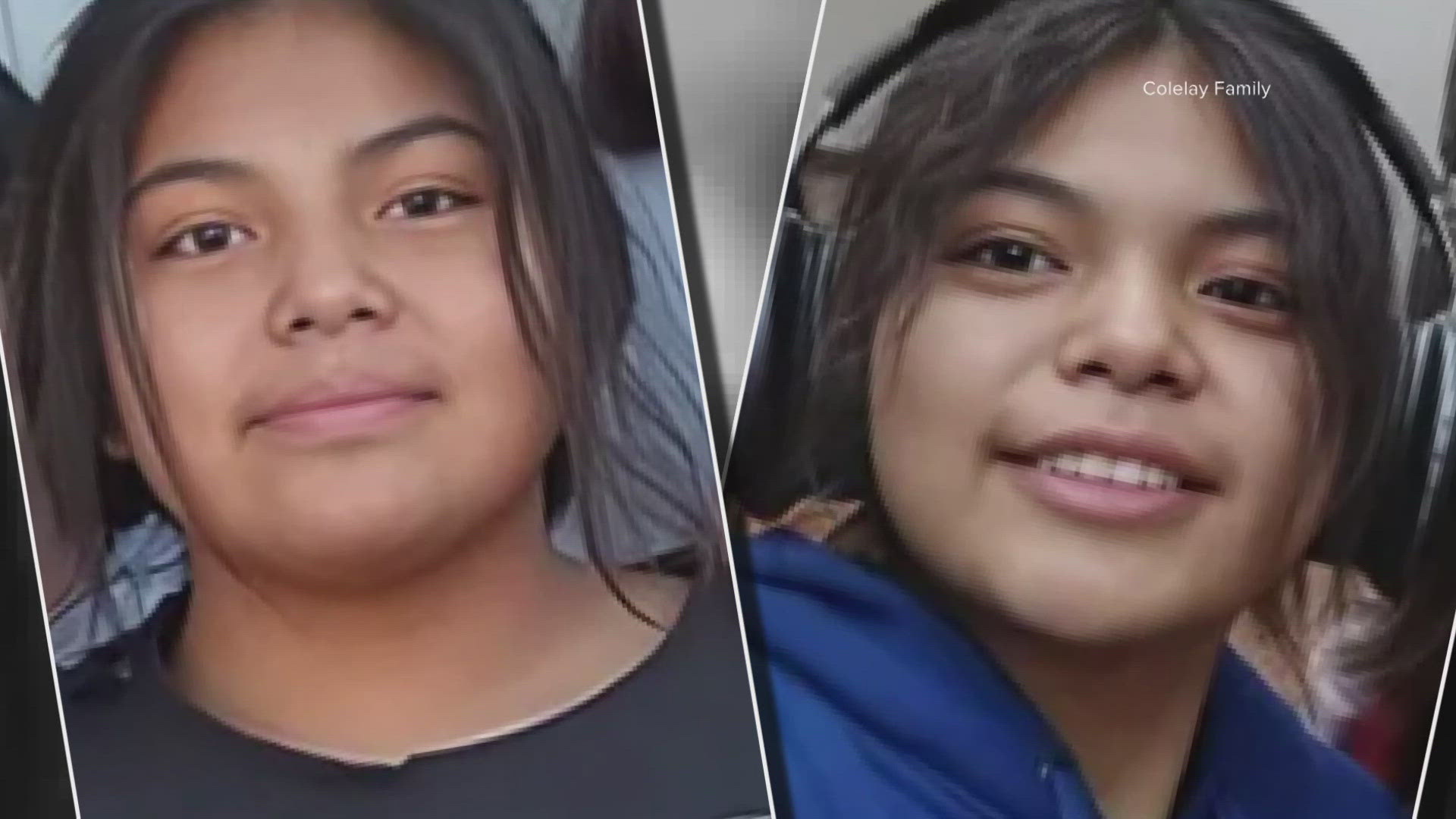
The recent report on the arrest connected to the tragic death of 16‐year‐old Challistia Colelay has raised significant discussion points in legal and community circles. As details continue to emerge, this case represents a complex intersection of law enforcement challenges, community grief, and the quest for justice in Indigenous communities. This opinion editorial aims to take a closer look at the tangled issues involved, examining how the investigation, legal processes, and community responses are shaping the road toward accountability.
This case has proven to be a nerve-racking journey for the family, the local law enforcement agencies, and tribal authorities. The arrest—allegedly involving a minor who has no connection to the victim’s family—offers hope for progress but also brings a series of complicated pieces that underline the delicate interplay between the legal responsibilities and social imperatives. Here, we examine how the legal system is tasked with steering through these tricky parts while ensuring that justice is both served and perceived to be served.
Investigative Developments and Legal Implications
At the heart of this case is the challenge of balancing community expectations with the rigorous standards of evidence required in criminal prosecutions. The family of Challistia Colelay has expressed relief at the news of an arrest, stating that this step is a key moment in their journey toward healing. However, law enforcement and the Bureau of Indian Affairs (BIA) have stressed that their investigation is still very much active, and the process of gathering reliable evidence is a nerve-racking task laden with twists and turns.
It is essential to understand that while an arrest can provide a semblance of resolution, it does not equate to a conviction. The authorities, including the BIA Office of Justice Services and the White Mountain Apache Tribal Police, are committed to a thorough inquiry. This means that despite the initial developments, the investigation remains loaded with issues requiring detailed examination. The involvement of multiple agencies – all with jurisdictional and procedural mandates – underscores the fine balance between swift action and meticulous due process.
Legal observers note that this case exemplifies the challenging parts inherent in Indigenous homicide investigations. The unique jurisdictional framework, which involves federal, tribal, and local law enforcement, creates a scenario where overlapping responsibilities can sometimes complicate proceedings. The family’s insistence that the arrest is a step toward justice must be weighed against the investigative reality: a process that is painstakingly sorting out all the little details needed to build a comprehensive case.
Key Facts and Timeline of the Investigation
Keeping track of the timeline in such cases is essential for understanding the scope and impact of the investigation. The following table summarizes the critical moments as reported:
| Date | Event |
|---|---|
| October 16 | Challistia Colelay reportedly went missing. |
| November 3 | Remains identified as belonging to Challistia were discovered near Knots Landing community in Whitewater, Navajo County. |
| November 5 | Fox 10 Investigator Justin Lum confirmed the remains were those of Challistia. |
| November 14 | An arrest was announced according to statements from Challistia’s family. |
This chronological outline highlights the swift progression of events, yet also reminds us of the nerve-wracking intervals that have gripped the community and investigators alike. Each of these dates represents a point where the investigation had to get into the fine points of evidence collection, witness interviews, and forensic analysis—all critical in crafting a legally sound case.
Community Impact and the Search for Justice
From a community perspective, the news of an arrest offers a glimmer of hope and a pathway to closure. The family’s statement, which expressed both a measure of comfort and an acknowledgement of the ongoing journey toward healing, resonates deeply within the Native American community. The case is a stark reminder that indigenous populations often face an uphill battle when it comes to registering accurate accounts of violent crimes, which may include confusing bits of investigative error and bureaucratic delays.
However, there is also understandable skepticism. When local law enforcement agencies and the BIA are involved, the process of finding your way through the required legal procedures can be both overwhelming and off-putting for members of the community. The mixed messages – between a family’s hopeful announcement and the BIA’s statement that no arrest has been confirmed – serve as a microcosm of the hidden complexities that typify such investigations.
Perspectives from the Indigenous Community
The indigenous community has often voiced concerns that cases like these are subject to additional layers of trouble due to historical neglect and systemic challenges. Key concerns include:
- The risk of underreporting: Many cases historically have been mired in slow investigative responses or dismissed as mere statistics.
- The need for culturally competent investigations: Law enforcement agencies tasked with these inquiries face the daunting task of not only solving a crime but also handling community sensibilities and historical grievances.
- Community trust issues: Incidents that involve multiple legal jurisdictions often require sustained efforts to ensure that information is communicated transparently, which is critical for fostering trust.
For many Native American communities, each investigative milestone is enveloped in a legacy of discrimination and systemic neglect. Therefore, every positive development—be it an arrest or a breakthrough in evidence gathering—is picked up with cautious optimism, while the family and community members continue to grapple with the fine shades of justice that have often been elusive in the past.
The Burden of Proof and Challenges in Evidence Collection
In criminal investigations, proving guilt beyond a reasonable doubt is a key tenet of the legal process. This requirement is especially significant in cases where the suspect is a minor. The arrest, if confirmed, brings into focus the necessity of accumulating a robust body of evidence that can stand up in court. Law enforcement officers are now required to poke around for any subtle details that could either solidify or undermine the case against the arrested individual.
Collecting admissible evidence in cases involving young suspects introduces its own set of complications. Investigators must balance the rights of the accused with the community’s need for justice. They are called upon to figure a path through the nerve-wracking task of gathering physical evidence, witness testimonies, and forensic reports that not only corroborate the charges but also acknowledge the legal standards that protect minors in the justice system.
This balancing act is complicated further by the fact that different agencies bring their own priorities and operational methods into play. As the investigation progresses, it is crucial to consider the subtle distinctions in how agencies interpret evidence, assess suspect behavior, and enforce procedural safeguards. This case illustrates the crucial need to get into the nitty-gritty of each investigative step in order to ensure that justice is meted out in a legally sound and ethically responsible manner.
Role of the Bureau of Indian Affairs and Tribal Police
The involvement of the Bureau of Indian Affairs (BIA) in this case underscores the unique jurisdictional and procedural challenges faced during indigenous investigations. While the family has expressed confidence in the law enforcement progress, the BIA’s public statement emphasizes that the investigation remains active and ongoing. They are working with an array of resources—including forensic experts and specialized investigative teams—to sort through the little twists inherent in the case. In doing so, they are trying to respect both legal procedures and community expectations.
The cooperative approach between the BIA Fort Apache Agency and the White Mountain Apache Tribal Police illustrates the importance of collaborative efforts when managing cases within Indigenous communities. These agencies have shared the goal of bringing closure to the family and community while ensuring that all procedural steps are followed meticulously. However, this collaboration also introduces layers of bureaucratic red tape that can sometimes slow down the speed at which justice is perceived to be delivered. The need to get around these challenges is as nerve-racking as it is essential, particularly when community trust is on the line.
To put the role of the BIA in perspective, consider the following bullet points that summarize their ongoing efforts:
- Coordinating multi-agency investigations involving tribal, state, and federal law enforcement.
- Ensuring that evidence collection follows both tribal protocols and federal standards.
- Offering a reward to encourage community participation and tip-offs.
- Providing continuous updates to maintain transparency and build community confidence.
Through these efforts, the BIA is not merely fulfilling a bureaucratic function; it is attempting to bridge the gap between legal mandates and cultural sensitivities. The case of Challistia Colelay is yet another example of how legal institutions can strive to mitigate the tangled issues that have long plagued investigations in Native American contexts.
Legal Observations on Minor Suspects in Criminal Cases
The arrest of a minor in such a high-profile and sensitive case brings forth several legal challenges that are worth elaborating upon. Young defendants are afforded specific legal protections designed to ensure that their rights are duly protected during criminal proceedings. These procedural safeguards include access to appropriate legal counsel, protective measures to prevent undue negative publicity, and strict limits on the kinds of evidence that may be presented against them in court.
Even as community sentiment may lean toward a swift and decisive judicial process, legal practitioners caution that cases involving minors must be handled with an abundance of care, given the potential for lasting consequences. Balancing public outcry over a violent crime with the constitutional rights of the accused is a formidable task that requires judges, attorneys, and investigators to work through the complicated pieces of evidence and testimony with precision.
This balance is crucial, particularly when the suspect may not share a direct link with the victim’s family. Legal experts note that a judicial system that rushes verdicts in sensitive cases can inadvertently create further divisions within a community. The goal, therefore, is to build a case that stands on the solid ground of extensive evidence while maintaining sensitivity to the unique circumstances surrounding the accused and the victim’s background.
Pressures on Investigative Agencies: Balancing Speed and Accuracy
One of the most significant challenges facing all investigative teams in this matter is reconciling the need for speed with the requirement of thoroughness. In cases that are heavily loaded with community expectations, there is immense pressure to make rapid progress, sometimes at the expense of the painstaking effort needed to collect rigorous evidence.
While the family has found comfort in the report of an arrest, the investigative teams are acutely aware that their path is riddled with tension. As they work to gather every subtle detail—from forensic evidence to witness accounts—they must ensure that nothing is overlooked. The disjointed messages between the family’s announcement and the official statement from the BIA highlight the challenging parts of conducting a multisided investigation on a case that both carries significant emotional weight and demands high legal scrutiny.
Decision-makers are faced with the off-putting choice between public pressure for immediate accountability and the need for a methodical analysis that could take months or even years to complete. This delicate balancing act is endemic to violent crimes involving minors, particularly in contexts where multiple agencies hold the reins. The overarching goal is not only to bring the perpetrator to justice, but also to build a case that is immune to appeals and challenges in the courtroom.
Dealing with Conflicting Information and Ensuring Transparency
It is no secret that cases involving complex jurisdictional overlaps and agencies with different reporting protocols can result in conflicting information presented to the public. In the instance of the Challistia Colelay case, we have seen differences between the family’s account and the official statement from the BIA. The family, in its statement, pointed to having been informed of an arrest, while the BIA clarified that they have not yet confirmed such a development.
This discrepancy is a common scenario in large-scale investigations. Investigators often have to get into the subtle parts of communicating sensitive information, ensuring that details are not prematurely disclosed, which might compromise the integrity of the case. Transparency with the public is super important, yet it must be carefully managed to avoid the spread of misinformation or undue speculation during an ongoing inquiry.
The following bullet list summarizes strategies that law enforcement agencies can employ to manage such conflicting messages:
- Regular, accurate updates: Ensure that communications from all agencies are consistent and fact-checked.
- Media coordination: Work with media outlets to relay information responsibly.
- Community forums: Organize public meetings to discuss the investigation’s progress.
- Legal briefings: Provide updates on the legal process and procedural safeguards maintaining the rights of all parties involved.
These strategies help to build trust among community members while ensuring that the investigation’s outcomes are based on the real, verified facts rather than speculative narratives. In any legal system, especially one intertwined with cultural nuances, managing this balance is key to achieving lasting justice.
Broader Societal Implications and the Crisis of Missing and Murdered Indigenous People
The case of Challistia Colelay is not isolated—it is part of a broader context involving the crisis of missing and murdered Indigenous people in America. Indigenous communities have long reported that cases like these often fall victim to a backlog of unresolved issues and improper investigative attention. While the recent developments bring the hope of justice closer, they also illustrate how every such case sheds light on the larger, ongoing struggle.
Legal experts and community advocates alike have voiced concerns that American Indian and Alaska Native people remain at significant risk of violence. Each incident, including the arrest in this particular case, is a reminder of how these communities are consistently exposed to a dangerous environment riddled with systemic tension. The following table outlines some of the broader issues that continue to plague these communities:
| Issue | Impact |
|---|---|
| Inadequate Law Enforcement Responses | Delayed investigations and unresolved cases lead to prolonged insecurity. |
| Insufficient Resources | Lack of investigative personnel and forensic tools undermines thorough investigations. |
| Cultural Disconnect | Law enforcement agencies often struggle to communicate effectively with Native communities. |
| Systemic Neglect | Longstanding issues in policy and funding contribute to the prevalence of violence. |
These issues paint a picture of an investigative process that, while making progress in individual cases, remains up against a broader crisis. The fine shades of this challenge highlight that any legal resolution in such cases must also be accompanied by social reforms. Addressing these bridging issues is critical if the justice system is to earn the trust of Native American communities and drastically reduce the prevalence of violence against them.
Legal Frameworks and the Future Course of Action
Looking ahead, the legal framework that governs cases like the one involving Challistia Colelay will undoubtedly continue to evolve. The case offers an important opportunity for lawmakers, law enforcement agencies, and community advocates to work together in making legal processes both efficient and respectful of cultural contexts. The future course of action could involve several key steps:
- Review of Jurisdictional Policies: Ensuring that overlapping jurisdictions do not impede a timely and just investigation.
- Enhanced Community Engagement: Building bridges between investigative agencies and local communities to foster a climate of trust and cooperation.
- Improvement in Forensic Capabilities: Investing in more advanced forensic tools to tackle the nerve-racking task of evidence collection.
- Legal Reforms: Considering changes to existing laws that may hinder the speedy yet thorough prosecution of cases involving vulnerable communities.
This forward-looking stance is not just about addressing the immediate case at hand. It is equally about setting up a legal and societal system where justice is territorially accessible and culturally sensitive. Such reforms are critical if the investigative agencies are to effectively manage cases that are both overwhelming in their legal demands and emotionally charged due to the community impact.
Community Healing and the Role of Public Vigil
One important aspect of resolving cases like this is the community’s active involvement in the healing process. The scheduled candlelight vigil for December 1 is one way in which local members are coming together to honor Challistia Colelay’s memory and seek collective solace. Public commemorations serve multiple purposes—they validate the grieving process and reaffirm communal solidarity in the face of overwhelming loss.
While a vigil cannot substitute for judicial resolution, it is a critical element of community healing. Gathering in this manner allows members to express both their sorrow and their resolve to pursue justice. Mental health professionals and community advocates often advise these gatherings as a way to process the confusing bits of grief and anger that tend to accumulate in the wake of a tragic event.
During these public events, the following aspects commonly emerge as essential topics of conversation:
- Respect for the victim’s life and memory: Celebrating who Challistia was and ensuring her legacy is honored.
- Calls for transparency: Community members frequently demand that law enforcement agencies keep them adequately informed.
- A unified front for reform: Vigils can galvanize public opinion, often spurring legislative or operational changes that benefit broader community safety.
The candlelight vigil is a reminder that while law enforcement and legal reforms are super important, the ultimate goal is the well-being and integrity of the community. Each act of public solidarity sends a strong message: that every lost life matters and that relentless pressure for accountability is key to driving meaningful change in the justice system.
Conclusion: A Cautiously Optimistic Path Forward
The evolving circumstances surrounding the death of Challistia Colelay and the reported arrest have set off a chain reaction of legal, social, and procedural challenges that resonate deeply within Native American communities. As we work through these tangled issues—from the task of collecting every subtle piece of admissible evidence to reconciling conflicting public statements—the broader implications become clear: this case is emblematic of the delicate balance between community trauma and the strict measures of law.
There is cautious optimism in the wake of the reported arrest, yet it is tempered by the understanding that the journey toward full justice is far from complete. Legal observers, community advocates, and the investigative agencies are all engaged in an off-putting but necessary fight against those intricate twists and turns that have characterized similar cases in the past.
This case stands as a stark reminder that a legal system that is both rigorous and sensitive to the historical and cultural context of indigenous populations is not just a lofty ideal—it is a must-have for enduring public trust. As we continue to follow the developments in this case, it is imperative that we remain engaged, informed, and critical of the steps taken along the way. Only through such vigilance can we hope to see lasting improvements in the investigative process and, ultimately, real justice for all involved.
In closing, the tragic death of Challistia Colelay, as well as the subsequent arrest and investigation, represent more than just isolated events. They are reflective of ongoing struggles in the legal, cultural, and social spheres—a scenario that demands not only a methodical legal response but also a compassionate societal one. By understanding each of these delicate pieces—from the role of the Bureau of Indian Affairs to the community’s own initiatives—we can appreciate the full scope of the fine points that define this case and, hopefully, learn lessons that lead to more effective policies and reforms in the future.
Ultimately, our aim must be to find a path that respects both the legal process and the dignified treatment of all individuals impacted by such tragedies. Whether through continuous legal reforms, better inter-agency cooperation, or enhanced community engagement, this case underscores the need to work through the complicated pieces of our justice system in an environment that is both accountable and empathetic.
With each step forward, we must remember that the quest for justice is not defined solely by the legal outcomes, but also by the broader societal commitment to protecting the vulnerable and ensuring that every voice is heard and honored. The road ahead may be daunting and full of problems, but by taking a closer look at every subtle detail and maintaining a transparent dialogue with the community, there is hope for a future where cases like this become a thing of the past rather than a continuing crisis.
In the end, as the legal community, law enforcement agencies, and Indigenous leaders strive to piece together all the puzzles of this case, let this serve as a reminder of the essential, critical need for justice that is both thorough and compassionate. The lessons learned here must inform future policies—not only to avoid repeating past mistakes but also to ensure that every individual’s dignity is safeguarded regardless of their background. Only then can we truly honor the memory of those like Challistia Colelay, whose lives were tragically cut short, and turn a page toward a safer and more just society.
Originally Post From https://www.fox10phoenix.com/news/challistia-colelay-arrest-made-white-mountain-apache-girls-death
Read more about this topic at
Challistia Colelay: Family says arrest made in White …
Family reports arrest in Challistia Colelay case; BIA says …