http://www.break.com/embed/124?embed=1
Legal, Moral, and Social Implications of Negligence: The Arizona Case
The recent Arizona case of Ascencio Largo, a 38-year-old father who left his four children in a car that reached a deadly temperature of 124°F while he visited an adult movie establishment, offers plenty of food for thought. This opinion editorial examines the legal, moral, and social consequences of such grave negligence. In doing so, we take a closer look at tangled issues involving child endangerment, parental responsibility, and the fine points of legal accountability when actions create a potentially fatal outcome for vulnerable individuals.
The case, which resulted in a four-month jail sentence and 10 years of probation for Largo, has undeniably rattled communities and legal observers alike. Here, we dig into the subtle details of the case, pondering the key legal precedents and the heavy ethical concerns that such actions raise.
Understanding Legal Negligence: A Closer Look at Parental Responsibility
At the heart of the matter is a need to re-evaluate how the legal system handles cases of gross negligence involving minors. In situations such as this one, the law is tasked with addressing not only the act of leaving children unsupervised in a high-temperature environment but also the deliberate indifference that led to a scenario where the children were exposed to lethal conditions. Below, we outline some bullet points that help clarify the legal responsibilities of a parent:
- Failing to ensure the safety of children constitutes a breach of parental duty.
- Endangering a minor by leaving them in dangerously high temperatures can be classified as reckless behavior.
- The legal framework often distinguishes between negligence and recklessness, but in extreme situations such as this, the wrongful act treads into both territories.
- Court decisions in similar instances set critical precedents, reminding us that negligence toward children is a serious offense.
This case reminds us that while every parent is presumed innocent until proven otherwise, their actions are subject to rigorous judicial scrutiny if those actions result in harm—or could have resulted in harm—to their children. The decision to sentence Largo to jail time and probation underscores that the legal system is prepared to deal with missteps that endanger lives.
Risk Assessment in High-Temperature Scenarios: The Science Behind the Danger
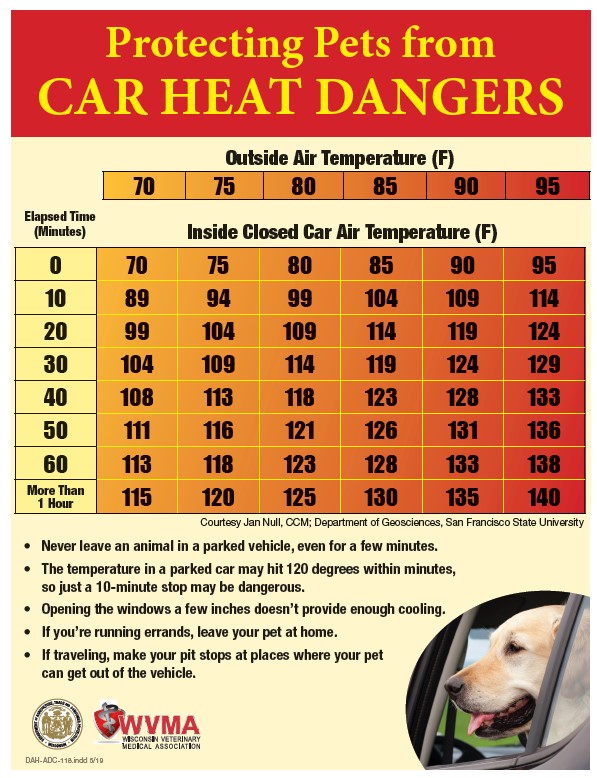
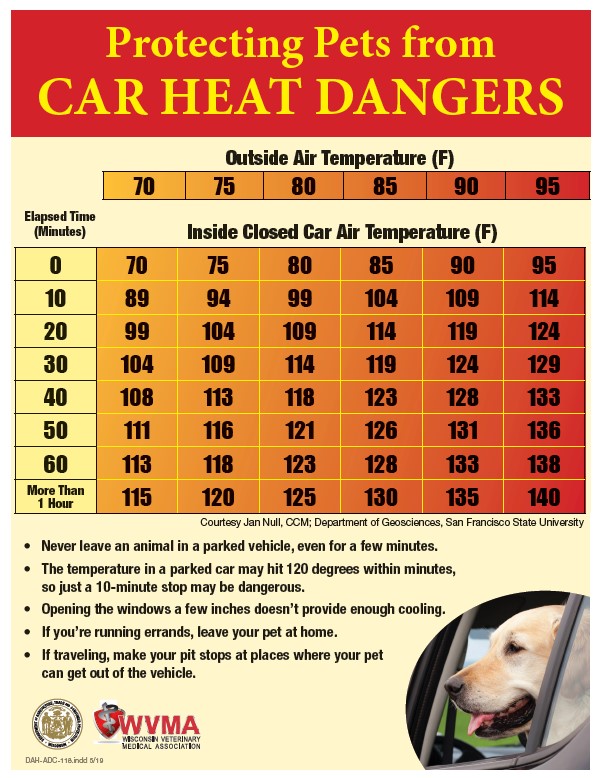
When we talk about vehicles in extreme temperatures, it’s not just about a sticky car interior. The physical properties of heat accumulation in a confined space like a parked car create conditions that are both dangerous and potentially lethal. Studies have shown that the interior temperature of a car can skyrocket within mere minutes on a hot day. This case highlights how seemingly minor miscalculations can have overwhelming and potentially irreversible consequences.
Below is a simplified table to illustrate the potential dangers of high interior temperatures in vehicles:
| Time | Interior Temperature (°F) | Potential Impact |
|---|---|---|
| 5 minutes | 90 – 100 | Early signs of heat stress in children |
| 10 minutes | 110 – 120 | Elevated risk of heat stroke |
| 15 minutes | 125 – 130+ | Severe risk of organ failure and death |
This table underscores the nerve-racking speed with which a situation can escalate from being merely uncomfortable to life-threatening. A parent’s failure to understand these tricky parts of heat accumulation can lead to consequences that are both legally and morally disastrous.
Consequences of Inattention: The Intersection of Adult Priorities and Child Safety
One of the most emotionally charged aspects of the case is the juxtaposition of a visit to an adult film store with the neglect of basic parental duties. Here, the case isn’t solely about a dangerous oversight in a hot car—it’s about a parent’s decision-making process that places personal interests over the well-being of children.
Consider these highlights of the scenario:
- The father’s choice to remain at the adult establishment, leaving his children in a snowball of dangerous heat, reflects a misalignment in priorities.
- The decision exemplifies how the appeal of personal gratification can interfere with the essential duty of safeguarding one’s family in a potentially lethal environment.
- This situation raises questions about the extent to which adult behavior, especially when combined with negligence, can provoke a strong legal response.
The shameful irony here is twofold: on one hand, there is a perceived lack of judgment in ensuring the children’s safety; on the other hand, the public’s outcry is stoked by the fact that the offending behavior involves a decision made in a context widely seen as inappropriate for a head of a family. These factors, combined with the legal emphasis on protecting the lives of minors, have led to public sentiment and judicial decisions that are loaded with both moral and legal tension.
Social Reaction and Public Outcry: When Personal Actions Land on the International Stage
Cases like these often amplify public discussions on parental responsibility and standards of behavior. In this incident, the fact that the children were left in a life-threatening situation—and for reasons that might appear trivial or self-indulgent—has resulted in widespread media attention. As the prosecutor in the trial noted, the case was “the kind of story that gets picked up on international news wires,” which has made it a topic of global relevance.
The public reaction has been a mixture of disbelief, anger, and sorrow. The commentary across media outlets touches upon several themes:
- A sense of betrayal in the violation of parental trust.
- The fear that dangerous precedent is being set if such behaviors are not harshly punished.
- Painful reminders of past tragedies where children suffered due to parental negligence.
This outcry demands accountability. The case is seen as more than an isolated incident: it serves as a cautionary tale for any parent who might neglect the charged duty of ensuring a child’s safety.
Legal Interpretations: How Courts View Reckless Endangerment Involving Minors
From a legal perspective, the charges presented against Largo were not merely for leaving children unattended. They were emblematic of the more comprehensive legal framework designed to protect children from reckless or deliberate acts that can cause severe harm. Understanding this framework requires examining the specific legal concepts at play:
- Reckless Endangerment: Legally, this charge covers actions that show a blatant disregard for the safety of others. The fact that the father was allegedly intoxicated further complicated his defense, as impaired judgment compounds responsibility.
- Filing of Felony Charges: The imposition of eight felony charges in this case sends a strong message that neglecting a child’s safety—especially in life-threatening conditions—is unacceptable. The severity of felony charges indicates that the law treats the protection of minors as a non-negotiable priority.
- Discretionary Sentencing: The decision to assign four months in jail and 10 years of probation highlights judicial discretion. However, it also reflects an attempt to punish negative behavior while offering a chance at rehabilitation, a balance that the justice system often has to strike in these cases.
The fine points here are complicated. On one hand, the principles of parental liberty are significant, but they collapse when it comes to recklessly endangering the welfare of children. The decision handed down by the court is a stark reminder of how the legal system manages your path through what are often loaded ethical dilemmas.
Hormonal Impulses and Legal Temper: Exploring the Psychological Dimensions
While the legal system focuses on concrete actions and outcomes, there are subtle psychological elements that play into such cases. It is useful to ponder the inner workings of the decision-making process that led to such a risky act. Although it is never an excuse, factors like impulsivity, substance influence, and distraction might have contributed to the lapses in judgment observed in this case.
Key aspects to consider include:
- Impulse Control Issues: In this incident, the father’s inability to prioritize critical safety measures over his own personal agenda can be seen as a critical lapse in impulse control.
- Substance Impairment: Reports that Largo appeared to be intoxicated during the incident suggest that his capacity to make rational decisions was severely hampered.
- Psychological Pressure and Distraction: The lure of adult entertainment could have served as a distraction, steering his attention away from the pressing and nerve-racking need to supervise his children in a dangerously hot environment.
Understanding these subtle aspects does not, however, diminish the legal and moral responsibility he bears. In fact, these little twists in the narrative provide context for why the judicial system is so uncompromising when it comes to the safety of minors.
Public Policy and Preventative Measures: Avoiding Future Tragic Outcomes
This case brings to the forefront the super important need for public policies that prevent such negligent acts. Lawmakers and community leaders are increasingly recognizing that while individual freedom is valued, it must be weighed against the common societal need to protect vulnerable citizens, especially children.
Consider the following measures that can help figure a path through the tangled issues of parental negligence:
- Enhanced Public Awareness: Educational campaigns to inform parents and guardians about the quickly escalating dangers of leaving children in cars on hot days.
- Legislative Reforms: Implementation of stricter penalties for neglecting child safety, possibly including mandatory educational programs as part of sentencing.
- Technological Solutions: Innovations such as car alarms that detect excessive interior temperatures and notify caregivers directly before conditions become critical.
- Community Support Programs: Local initiatives that provide safe childcare alternatives in situations where parents might be temporarily distracted.
These measures are not only key in reducing the occurrence of similar incidents but also underscore the responsibility of society as a whole to shield its most vulnerable members from life-threatening neglect.
The Role of Personal Responsibility and Societal Expectations
Ultimately, at the heart of every legal and moral debate lies the need for personal responsibility—a quality that is demanded of all adults, especially those entrusted with the care of children. The Arizona case starkly reminds society that personal actions have far-reaching consequences.
Some subtle details to consider include:
- Personal accountability involves ensuring that one’s actions do not put others, especially children, in dangerous situations.
- Societal expectations are high when it comes to the behavior exhibited by parents and guardians.
- The legal ramifications of failing to meet these expectations can be harsh, as shown by the imposition of felony charges and extended probation periods.
For many, this case serves as an off-putting lesson that personal interests or distractions should never override the crucial duty of care. The outcry from various community segments is a call to action—everyone must be vigilant about safeguarding children from neglect, no matter how appealing or distracting other adult priorities might seem.
Complexities of Judicial Sentencing in Child Neglect Cases
Judicial sentencing in cases of child neglect, such as this one, is a sensitive topic riddled with many challenging bits. Critics of the sentencing decision may argue that the punishment either did not go far enough or was too harsh, while supporters see the sentence as reflective of society’s intolerance for endangering a child’s life.
Some of the confusing bits regarding judicial decisions in these cases include:
- Balancing Act: Courts must balance rehabilitation with punishment, ensuring that the punitive measures serve as a deterrent without permanently undermining an offender’s ability to reintegrate into society.
- Mitigating Factors: Elements such as intoxication or momentary lapses in judgment might be considered as mitigating factors, though they rarely excuse gross negligence.
- Precedent and Public Opinion: Judges are increasingly influenced by the influence of public sentiment and media coverage, which can sometimes add a layer of tension to the judicial process.
In Largo’s case, his actions were deemed so perilously reckless that the judge underscored the potential for an international scandal—a statement meant to highlight the severity of the consequences if such behavior went unchecked. Whether one agrees with the final sentencing or not, there is little doubt that the legal system is taking a strong stand against any behavior that jeopardizes the lives of children.
Media Influence and Public Perception: The Role of Reporting in Shaping Legal Outcomes
The case has also thrown a spotlight on how news reporting can shape public perception and, by extension, influence judicial proceedings. Media outlets play a super important role not just in relaying information, but in setting the tone for public debate. When headlines scream about a “porno store” leaving children to die, the emotional and moral outrage that follows can’t be underestimated.
Important points regarding media influence include:
- The media’s choice of narration often emphasizes the more sensational aspects of a case, which in turn stokes public anger.
- This outrage, while beneficial in demanding accountability, can also lead to oversimplification of rather complicated legal bits.
- Editors and journalists have the responsibility to balance the allure of sensational headlines against the necessity of accurate and measured reporting.
In the broader context, when the media heavily focuses on the scandalous elements, it pressures the legal system to respond swiftly—even in cases where the underlying facts may require more detailed investigation. Ideally, a nuanced discussion about child safety and parental responsibility would look past sensationalism to get into the real issues at hand.
Lessons Learned: How Future Incidents Can Be Prevented
Every tragic or near-tragic legal case carries with it lessons that the community can learn from. Beyond the immediate legal consequences faced by Largo, several key takeaways emerge that can help prevent similar incidents in the future. These lessons offer practical recommendations that any society should consider adopting to boost public safety.
Key preventive measures include:
- Education About Heat Dangers: Initiatives to educate parents and guardians about the rapid rise in a vehicle’s internal temperature on hot days can be critical. This can take the form of school programs, community workshops, or even public service announcements during peak heat months.
- Regular Safety Audits: Child care agencies and local governments can institute regular safety audits for places where children are often present, ensuring that protocols are in place to prevent neglect.
- Technological Interventions: Developing and mandating the use of technology that alerts parents when a vehicle reaches dangerous temperatures could save lives. Car manufacturers, for instance, could integrate such alerts directly into vehicle systems.
- Enhanced Legal Awareness: Workshops and seminars that discuss the legal consequences of child neglect can help educate potential offenders about the nerve-racking outcomes of seemingly small lapses in judgment.
These suggestions are not meant to diminish the responsibility of each parent or guardian, but rather to serve as a societal safety net. The intent is to figure a path that makes it almost impossible for such tragedies to occur again, using both community-driven interventions and legal deterrents.
Ethical Considerations and the Public Trust in the Legal System
In this case, the intersection of personal irresponsibility and public policy also forces us to look at the ethical responsibilities of those who wield parental authority. Beyond legal punishments, there are moral imperatives that need careful working through—ones that challenge society to reflect on what is acceptable behavior when it comes to protecting life.
Some ethical issues include:
- The Trust Between Society and Parents: The social contract rests on the assumption that parents will protect and nurture their children. When this trust is broken, the ripples extend beyond individual families to affect community well-being.
- Balancing Personal Freedoms and Parental Responsibilities: While each individual is free to pursue their interests, those freedoms come with the super important condition of ensuring that others—especially minors—are not put at risk.
- The Moral Imperative of Accountability: When neglect or recklessness results in potential harm, the community must insist on accountability. This balance between punishment and the opportunity for rehabilitation is hard to manage but remains key to maintaining public trust in our legal institutions.
The legal system stands as a guardian of the public trust. When cases like this are adjudicated, it is not merely a measure of punishment—it is a reaffirmation of society’s commitment to protecting its most vulnerable members.
Community and Legal Reactions: The Impact on Future Judicial Trends
The widespread media coverage and public debate over this case have already begun influencing discussions about legal reform in cases of child neglect. There is a growing consensus that while every parent may occasionally err, the stakes are simply too high when it comes to children’s safety. Legal experts and social commentators alike agree that more robust preventive measures and stricter penalties are necessary to deter similar actions.
Future legal trends may include:
- Stricter Legislation: Lawmakers may propose new laws that impose even tougher punishments for parents or guardians who leave their children in harmful situations, particularly in extreme weather conditions.
- Mandatory Reporting Standards: Expectations for reporting and monitoring child endangerment cases could tighten, ensuring that incidents like these are quickly identified and addressed.
- Enhanced Interventions: Social service agencies might increase outreach and intervention programs for families viewed as at-risk, helping to manage the little twists and turns that sometimes lead to these risky decisions.
This evolving legal landscape is set to influence both judicial outcomes and community safety practices moving forward. The case in Phoenix serves as a pivotal moment that has stirred legal experts to rethink how best to protect children from preventable dangers.
Final Thoughts: The Balancing Act Between Justice and Rehabilitation
As we work through the detailed legal and moral arguments presented by cases such as that of Ascencio Largo, it becomes clear that the justice system faces a nerve-racking challenge. On one side is the need to punish actions that endanger life, and on the other, the imperative to offer a chance at rehabilitation. This balance is not an exact science—it is full of problems and subtle details.
Ultimately, society is left with a powerful reminder: while personal mistakes are human, the responsibility to protect vulnerable lives is non-negotiable. The legal and ethical frameworks that have been established are meant to steer through these tense situations and to reinforce the message that negligent behavior will have serious consequences.
Key Takeaways for a Safer Future
Summarizing our discussion, here are some of the fine points and key lessons drawn from this case:
- Understanding Heat Dangers: Car interiors can quickly become lethal, which underscores the necessity of vigilance and proper child safety protocols.
- Parental Accountability: The law demands that parents always put the safety and well-being of their children above all personal interests.
- Legal Consequences: Leaving children in perilous conditions is not only morally repugnant but also legally punishable, as demonstrated by the felony charges in such cases.
- Preventive Actions: Both legislative reforms and community-driven interventions can play a super important role in preventing similar incidents.
- Media’s Role: Sensational headlines can intensify public opinion, shaping both legal discourse and policy reforms.
The case of Largo is a somber cautionary tale that reminds us all to keep our focus where it truly belongs: the safety and protection of those who are unable to protect themselves.
Concluding Reflections
Every society is built on a framework of responsibility, law, and ethics. When one link in that framework is broken—as seen here with the neglect of a parent—the consequences are felt far and wide. The twisted blend of personal neglect, poor decision-making under the influence of distractions, and dangerous environmental factors culminated in an arrest that has reverberated across public opinion and international media.
The legal decision in this case, while harsh to some critics, serves as a stern warning to everyone: the safety of children must always come first. It is incumbent upon both individuals and society to figure out a way to steer through these complicated pieces of modern life, ensuring that no further lapses in judgment result in harm to the most vulnerable among us.
By examining both the immediate legal repercussions and the broader societal implications, we gain valuable insight into the challenges—and responsibilities—that come with managing family life in today’s fast-paced, often distracting world. The Arizona incident is a call to action, emphasizing the need for better awareness, stricter laws, and proactive measures that protect children from the dangers of negligence, no matter how overwhelming the twists and turns of modern living might be.
In the end, justice is not just a punitive measure—it is a guidepost for societal behavior. As we reflect on this case, let us remember that enforcing safety, fostering accountability, and committing to continuous education are essential steps in ensuring that tragedies like this never happen again.
Originally Post From https://www.newsbreak.com/express-u-s–316349130/4339622126450-arizona-dad-sentenced-after-leaving-kids-in-124-degree-car-while-he-shopped-for-porn
Read more about this topic at
Florida Statute 827.03(e)
Section 2919.22 – Ohio Revised Code