Arizona’s Legal Settlement on Church Food Ministry: A Step Toward Religious Autonomy
The recent legal settlement between the City of San Luis and Gethsemani Baptist Church marks a significant moment in the tangled issues surrounding the interplay of municipal zoning laws and the exercise of religious ministry. In a case that has drawn considerable attention across the nation, Gethsemani Baptist Church has secured the right to continue its food distribution ministry—an initiative that has provided crucial food assistance and spiritual support for over two decades to hundreds of families near the United States’ southern border.
At its heart, this case underscores the delicate balance between enforcing local regulations and respecting religious freedom. The agreement reached through a consent decree in a federal court not only offers relief for the church but also sets a precedent for how communities and legal systems can work together to accommodate acts of charity that have been part of a religious mission for over 25 years.
Zoning Laws vs. Religious Missions: Unpacking the Legal Dispute
The crux of the legal dispute centered on allegations that Gethsemani Baptist Church was operating its food ministry in violation of local zoning laws. City officials contended that the ministry had expanded over the years—a fact that had led to concerns about issues such as parking for larger vehicles like semi-trucks in a residential area. Despite these worries, proponents for the church argued that the scale of operations had grown naturally as a response to increased community need, without any fundamental change in the ministry’s mission.
This case forces us to take a closer look at the fine points of urban planning regulations versus the provisions that protect religious practices. Indeed, navigating these tangled issues requires an appreciation of both the legal framework and the human element behind community service.
Understanding the Role of Consent Decrees in Resolving Community Disputes
The settlement was reached through a consent decree—an agreement that effectively settles the lawsuit without a full trial. In this instance, both parties agreed to abide by the terms set forth by the federal court, ensuring that Gethsemani Baptist Church could maintain its operations while addressing the city’s concerns over zoning.
Consent decrees prove to be an essential legal tool when working through tricky parts of community disputes. They provide a way for stakeholders to figure a path forward while avoiding the nerve-racking and potentially overwhelming process of a prolonged court battle. As a result, the agreement serves not only as a relief for the church but also as a blueprint for resolving future conflicts where municipal regulation and charitable religious activity intersect.
Delving into the Religious Land Use and Institutionalized Persons Act (RLUIPA)
One of the key factors in the case has been the invocation of the Religious Land Use and Institutionalized Persons Act of 2000 (RLUIPA). This federal law is designed to safeguard religious exercise, even when local regulations appear to impede a religious organization’s activities. The United States Department of Justice has long maintained that RLUIPA provides broad protection for ministries engaged in activities that benefit the vulnerable.
Assistant Attorney General Kristen Clarke emphasized that federal law ensures religious groups, including those offering food assistance to the needy, can operate without undue interference from local zoning codes. By invoking RLUIPA, advocates for the church argued that the ministry’s charitable mission fell squarely within the ambit of protected religious exercise, rendering the city’s previous shutdown policy both unnecessarily restrictive and legally problematic.
How RLUIPA Supports Activities Aimed at Community Service
RLUIPA has often been at the center of debates where municipal regulation meets the exercise of religious faith. In the case of Gethsemani Baptist Church, the law’s key purpose—to secure an environment in which religious contributions to society are respected—came to the forefront. The church contended that its welfare initiatives, including food distribution, were not intended to operate as a commercial enterprise but rather as an integral part of its religious mission. As such, local efforts to curtail its operations ran the risk of infringing on a constitutionally protected right.
This perspective highlights the essential role RLUIPA plays in ensuring that religious organizations can continue to serve communities without fear of arbitrary local restrictions. By striking a balance between municipal authority and religious freedom, the law allows for a more inclusive approach that respects both public policy concerns and the spiritual and practical needs of the community.
Legal Precedents and Their Impact on Community Faith-Based Services
This case is not an isolated incident but rather part of a broader national discussion on the treatment of faith-based organizations by local governments. Historically, municipalities across the United States have struggled to balance zoning requirements with the rights of religious institutions. In many instances, courts have sided with religious organizations, recognizing that their contributions to the community—especially through charitable services—are of super important societal value.
The settlement in San Luis may serve as a precedent for other cities facing similar challenges. It demonstrates how legal institutions can support religious freedoms while ensuring that municipal regulations are applied fairly, without targeting organizations that provide critical services. By protecting the church’s right to distribute food and extend a helping hand to those in need, the decision reinforces the notion that local zoning laws should not be applied in a manner that unduly penalizes charitable and humanitarian efforts.
Comparing Similar Cases Across the Nation
Across the country, there have been several disputes involving religious organizations and local ordinances. When courts have taken a closer look at these issues, they often find that the religious activities in question have minimal adverse impact on the surrounding communities and instead contribute significantly toward public welfare.
Several key elements typically emerge in these disputes:
- The historical operation of the ministry and its long-standing role in community service
- The specific nature of the zoning law in question and how it applies to religious institutions
- The practical impact of the ministry on local residents and the broader community
- The protections granted under federal law for religious exercise
When these factors are weighed together, courts have increasingly found, much like in the case of Gethsemani Baptist Church, that religious ministries offering essential services should be given leeway in their operations.
Assessing Community Impact: Food Assistance and Social Outreach
The role of Gethsemani Baptist Church’s food ministry extends far beyond the legal realm; it is a lifeline for many families facing economic challenges near the border regions. By providing food and support, the ministry plays a significant part in alleviating some of the everyday struggles that residents encounter.
For many, this service forms the backbone of local charitable efforts. The ministry’s evolution over the years reflects both the growth in community needs and the ability of a dedicated organization to adapt its operations to meet those needs. Given the apparent success and positive impact, supporters argue that local authorities should view such initiatives as essential components of the social safety net rather than as problematic violations of zoning ordinances.
Examining the Societal Benefits of Faith-Based Food Distribution
The societal benefits derived from accessible food ministries are considerable. For many families, these initiatives represent not only a practical source of nutrition but also a symbol of hope during challenging times. The operation of the ministry by Gethsemani Baptist Church has helped to:
- Mitigate food insecurity in an area marked by economic hardship
- Provide a community hub where residents can access not only sustenance but also emotional and spiritual support
- Offer a model for how local communities can harness religious generosity to address social problems
This galvanizing impact is difficult to ignore when weighing the need for strict zoning enforcement against the benefits of community-led social outreach. In many debates on this issue, the focus has shifted away from punitive measures toward accommodating measures that enable faith-based organizations to serve without undue interference.
Balancing Local Governance and Religious Freedom
The city’s initial decision to shut down the ministry was rooted in concerns over parking and the evolution of a residential area’s use. Yet, such matters must be weighed against the measurable benefits of the ministry’s operations. In effect, the law stipulates that when a religious organization has historically been allowed to function under what the city deemed a legal nonconforming use, significant changes in operation should not automatically precipitate drastic punitive measures.
Local governments face an ongoing challenge in finding their way through such tricky parts, especially as urban development pressures interact with long-standing religious practices. Officials must figure a path that respects municipal safety and order while not undermining services that are super important to community well-being.
Charting a Course Through Confusing Zoning Code Issues
In cases like this, reading through the fine details of the zoning code reveals several confusing bits that can easily be misinterpreted. Key issues include:
- The classification of a religious food ministry as a “commercial-level” operation
- The requirement for larger vehicles due to increased food supply demands versus the original scale of the ministry
- The need for consistency between historical practices and new zoning enforcement policies
City officials must work closely with community stakeholders to ensure that evolving practices are integrated sensibly into existing legal frameworks. With the settlement now in place, there is hope for a more harmonious relationship between San Luis city management and local faith-based organizations.
Interpreting the Federal Intervention and Its Broader Implications
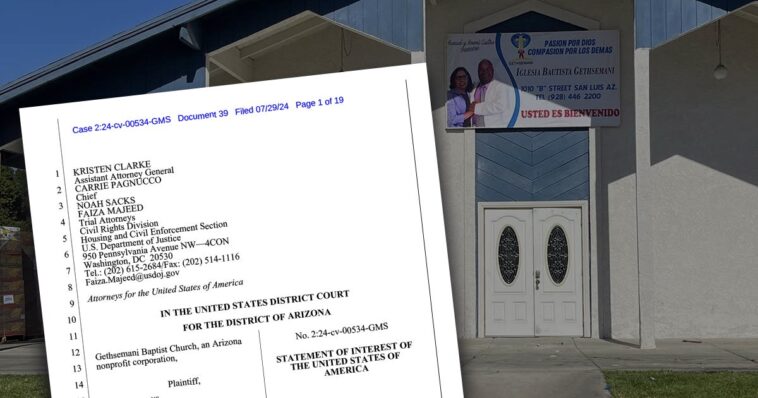
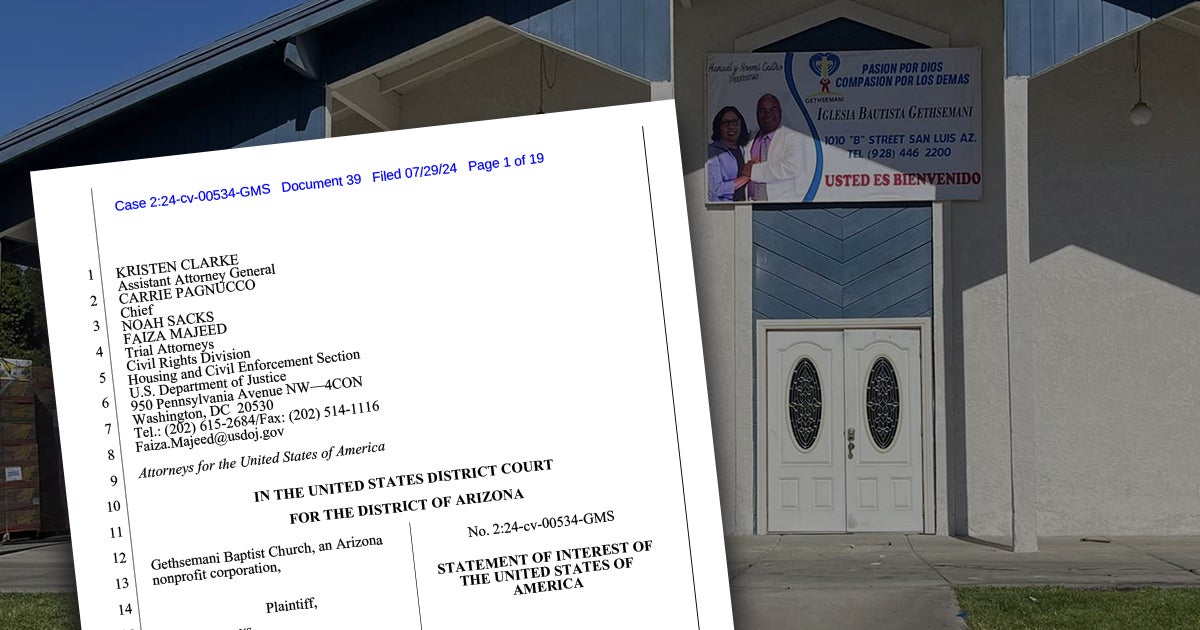
The involvement of the U.S. Department of Justice added another layer of scrutiny and perspective to the case. By filing a statement of interest, the DOJ underscored the message that federal protections for religious exercise are not merely symbolic but carry practical ramifications for how local governments enforce ordinances. Assistant Attorney General Kristen Clarke’s commentary on the matter made it clear that federal law supports religious initiatives that serve public welfare.
This intervention resonates with a broader call for municipalities throughout the country to work through the tangled issues that often arise when federal religious freedoms intersect with local control. The DOJ’s remarks serve as a reminder that when urban codes restrict religious expression and the provision of essential community services, affected groups are not required to overcome off-putting procedural barriers to obtain judicial relief.
Federal Support for Community-Focused Religious Activities
In making a case for federal support, it becomes necessary to highlight how laws like RLUIPA ensure that:
- Religious organizations are free to adapt their operations to better serve changing community needs
- Municipal authorities remain cognizant of the long-term benefits of faith-based charitable endeavors
- Legal challenges are addressed in a manner that considers both public safety and the preservation of constitutional rights
This stance is particularly relevant in communities like San Luis, where the convergence of economic hardship, social need, and the law creates a multifaceted landscape for debate. Federal oversight, in these instances, provides a counterbalance to local decisions that might otherwise veer too far toward punitive enforcement.
Community Voices: The Public Response and Future Prospects
The reaction from local residents and supporters of the ministry has been largely positive. Many community members view the decision as a vindication of the chapel’s efforts to serve the needy and as an example of how religious organizations can operate successfully within urban regulatory frameworks. The settlement reflects a growing recognition that services provided by churches, such as food distribution, should be protected rather than hindered by overly strict interpretations of zoning laws.
Public sentiment in the region underscores a deep appreciation not only for the food ministry’s tangible benefits but also for the moral and spiritual support it offers. For many, the church is seen as a beacon of hope—a critical element in a system that often struggles to support the most vulnerable.
The Role of Faith and Community in Times of Economic Strain
In economically challenging times, community organization becomes super important. Many families rely on local food ministries as a temporary safeguard against the overwhelming pressures of financial instability. In these circumstances, the church’s operations can be seen as part of a broader network of support that includes not only everyday practical help but also a community spirit that offers comfort and solidarity.
Critics of strict zoning enforcement argue that when rules become too rigid, they risk undermining the very institutions that have proven essential in tough times. Instead of imposing heavy-handed restrictions, local governments could choose to work with religious organizations to find creative solutions that accommodate both public safety and community service. Such an approach not only preserves valuable services but also fosters trust and cooperation between municipal authorities and faith-based groups.
Practical Measures for Resolving Future Zoning and Religious Use Conflicts
Looking forward, the San Luis settlement offers several practical measures for resolving similar conflicts that may arise between religious organizations and local governments. Below is a summary of actionable steps that could be adopted by municipalities facing comparable challenges:
| Step | Description |
|---|---|
| Dialogue Initiation | Engage in early and continuous discussions between city officials and religious organization leaders to identify potential issues before they escalate. |
| Legal Analysis | Conduct a thorough review of existing zoning codes and assess how historical practices can be integrated into current policies. |
| Federal Guidance | Consult with federal agencies to ensure compliance with protections such as RLUIPA, which safeguard religious exercise. |
| Community Input | Gather feedback from local residents to understand the broader social impact of the organization’s operations. |
| Flexible Solutions | Develop adaptive strategies that balance regulatory concerns with the continuity of essential community services. |
These steps offer a roadmap for community leaders and policymakers alike. By embracing a model that encourages both dialogue and proactive legal review, cities can steer through the tricky parts of zoning enforcement while still nurturing indispensable faith-based services.
Learning from the San Luis Settlement for Broader Policy Reform
The outcome of this case could well serve as an eye-opener for policymakers across various jurisdictions. Instances where rigid adherence to zoning rules negatively impacts community welfare can be re-evaluated to foster more inclusive and flexible regulations. The San Luis decision brings to the fore several fine shades of public policy that need to be re-examined in light of evolving community needs and the changing nature of charitable organizations.
While every city has unique circumstances influenced by local history and demographics, the principles underlying the San Luis settlement have relevant lessons for other jurisdictions. These include:
- Recognizing the super important role that long-standing religious organizations play in community service
- Understanding that zoning rules should be adaptable enough to account for historical nonconforming uses
- Ensuring that any restrictions imposed do not conflict with federal regulations protecting religious exercise
- Collaborating with community stakeholders to develop tailored solutions that address both public safety and humanitarian needs
By taking these lessons on board, future policy reforms can be designed to accommodate both the evolving dynamics of community development and the persistent need for charitable, faith-driven engagement.
Examining the Changing Dynamics of Municipal Leadership and Enforcement
The case also sheds light on how shifts in municipal leadership can trigger legal conflicts. When Mayor Nieves G. Riedel took office in 2022, the city’s approach towards the zoning issues concerning Gethsemani Baptist Church changed. This change in philosophy, which led the city to scrutinize the church’s practices more closely, highlights how new leadership can sometimes inadvertently create ripple effects that impact long-standing community services.
Local officials must be aware that changes in leadership come with both opportunities and challenges. With new perspectives, there is a possibility of re-evaluating old policies in ways that better protect community interests. However, abrupt changes can also lead to nerve-racking situations where well-established traditions and practices become targets of revised regulatory interpretations.
Balancing New Priorities with Historical Community Practices
In managing your way through issues of zoning and religious practice, municipal authorities are faced with several key challenges. Among these are:
- Honoring historical precedents and community trust that have built up over decades
- Adapting to modern regulatory demands in a way that is sensitive to community needs
- Ensuring that enforcement policies are applied fairly and do not selectively target critical charitable services
This balance requires both detailed planning and a commitment to dialogue with all stakeholders. As seen in the San Luis settlement, when a municipality works in tandem with a religious organization, it can create a win-win situation that upholds the law while also promoting the greater good of the community.
Reflecting on the Intersection of Faith, Law, and Community Welfare
The journey of Gethsemani Baptist Church from a local ministry in need of preservation to a litigant in a high-profile legal dispute underscores the delicate twists and turns inherent in balancing community welfare, religious freedom, and the enforcement of local laws. At its core, this situation is emblematic of the ways in which religious organizations contribute to society and how their work, when misunderstood or misapplied to zoning rules, can lead to rumors of over-regulation.
Community voices have long hailed the church’s work not only for its immediate relief in offering food but also for its broader role as a support network for the vulnerable. The fact that the church has been operating its ministry since 1999 further emphasizes that these charitable acts are deeply woven into the local fabric—serving as a cornerstone of community resilience in a region facing significant economic challenges.
Public Trust and the Protection of Religious Services
One of the most important lessons from this case is the value of building and maintaining public trust. When communities see that their religious institutions are protected under the law, not only do they gain a sense of security about their access to essential services, but there is also a broader affirmation of the role that faith-based organizations play in the public realm. As noted by advocates, allowing the ministry to operate is a recognition of the church’s commitment to its 25-year mission and an endorsement of the principle that religious exercise is a key component of community support.
In situations where regulatory changes come into play, it is crucial for leaders to keep in mind the subtle details that define community service. Instead of adopting a quick-fix approach that might disregard historical practices, city officials can benefit from a more complete and thoughtful dialogue that considers the wide-ranging benefits of religious charismas in local contexts.
Looking Ahead: Policy Recommendations for Future Cases
The settlement in San Luis offers an opportunity for policymakers everywhere to re-examine how similar cases are approached. By picking up the lessons from this case, future disputes can be managed in ways that both respect municipal laws and honor the critical contributions of faith-based organizations. Some key policy recommendations include:
- Enhanced Communication Channels: Establishing formal channels for dialogue between municipal authorities and religious organizations to discuss ongoing operations and adjustments needed in light of community growth.
- Regular Policy Reviews: Conducting periodic reviews of zoning codes to ascertain that they reflect current community practices and support rather than hinder long-standing charitable initiatives.
- Increased Stakeholder Participation: Involving community leaders, religious representatives, and policy experts in the decision-making process to ensure that any changes to zoning laws consider all voices.
- Greater Federal-Municipal Coordination: Encouraging local governments to seek guidance from federal agencies on maintaining the balance between local governance and constitutional freedoms, as highlighted by RLUIPA.
- Flexibility in Enforcement: Creating exemptions or special permits for organizations that have historically operated within a community in a nonconforming but beneficial manner.
By adopting these measures, municipalities can find your way through the tricky parts of zoning law enforcement, ensuring that policy changes do not unintentionally harm community services that many residents depend on daily.
Emphasizing Empathy and Security in Policy Formulation
In making policy decisions, it is super important to strike a balance between enforcing necessary regulations and fostering an environment where religious organizations can thrive. Empathetic policy-making—one that takes into account not only the legal aspects but also the human element—can lead to a more trusting and supportive community environment. By ensuring that religious institutions are given room to adapt and grow in response to new challenges, local governments can nurture partnerships that have far-reaching positive impacts on public welfare.
This perspective is especially pertinent today, as many communities across the country face economic uncertainties and social challenges. The ability to maintain access to essential services like food ministries is an excellent example of how legal frameworks and moral imperatives can be reconciled in ways that benefit everyone.
Conclusion: A Cautiously Optimistic Outlook for Future Religious-Municipal Relations
The recent settlement allowing Gethsemani Baptist Church to continue its food ministry in San Luis is emblematic of the potential for balanced, fair, and community-sensitive resolutions in legal disputes involving religious organizations. By addressing the confusing bits of zoning regulations with careful legal analysis and deep respect for historical precedent, the agreement stands as a model for future cases.
While the legal battles were nerve-racking and filled with twists and turns, the outcome demonstrates that with dialogue, legal foresight, and a willingness to understand the fine details of both local ordinances and federal protections, communities can work together to support the vital functions of their most cherished institutions.
In essence, the case serves as an important reminder that religious freedom and community service are intertwined threads in the fabric of American society. It is a call for more thoughtful, empathetic policy-making that nurtures longstanding traditions while addressing modern challenges. As cities across the nation continue to encounter similar issues, the San Luis settlement offers a roadmap—one that encourages collaboration, open dialogue, and a commitment to both public safety and the nurturing of essential social services.
Ultimately, this case is a testament to the power of legal processes that are designed to find your way through complicated pieces of regulation in a manner that upholds the spirit of community service. With continued efforts from local, state, and federal bodies alike, it is possible to create an environment where faith-based organizations not only survive but thrive, bringing hope and practical help when it is needed the most.
As we reflect on the implications of this decision, it is clear that embracing a balanced approach that considers both municipal responsibilities and the critical contributions of religious ministries will be key in shaping a future where community support systems remain robust, flexible, and deeply rooted in the well-being of all residents.
Originally Post From https://www.christianpost.com/news/arizona-city-will-allow-churchs-food-ministry-to-operate.html
Read more about this topic at
The Prevailing Church by Simon Kistemaker
Police Car as Pulpit: Setbacks Follow Church’s Unique …