
http://www.break.com/embed/19?embed=1
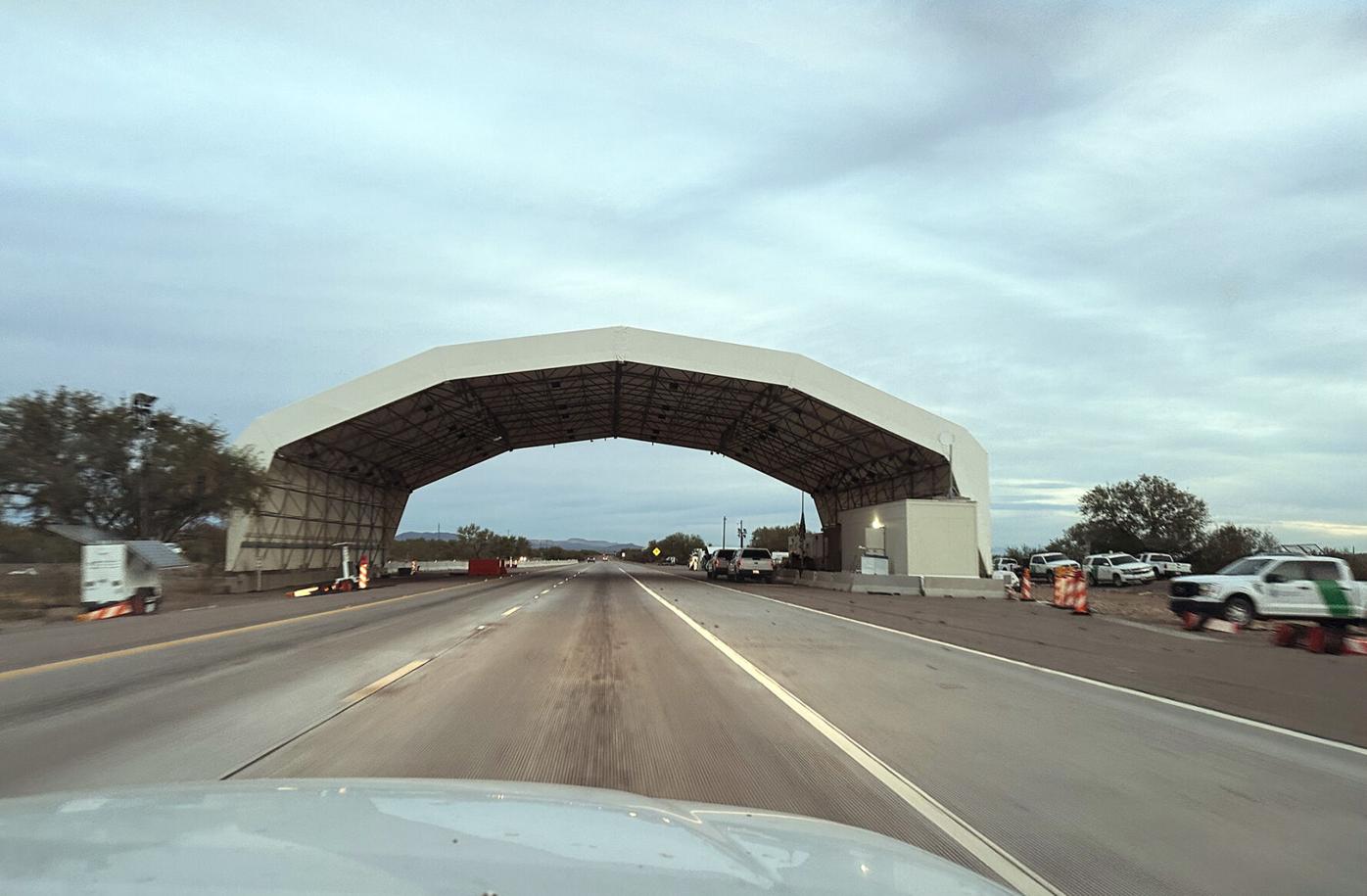
Law Enforcement Uncertainty: The Impact on Local Traffic and Legal Accountability
The temporary closure of Interstate 19 northbound in Amado, Arizona, is stirring conversation about law enforcement responsibility and the legal boundaries that guide agency collaboration. Onlookers and local commuters are left both confused and concerned as reports indicate that the closure originated from a law enforcement situation involving the Border Patrol, with the Arizona Department of Public Safety (DPS) stepping in to assist. As an observer of legal trends affecting public policy and community safety, it is important to take a closer look at the tangled issues that arise when law enforcement decisions impact everyday travel and public accountability.
In this opinion piece, we will break down the key aspects of the closure, analyze the responsibilities shared by multiple agencies, and probe the emerging legal and societal questions. We will also consider the role that media reporting — enhanced by AI technology in today’s landscape — plays in making these events known accurately to the public. This discussion aims to offer insight for both legal professionals and the general public, illustrating not only the legal fine points of such decisions but also the overall effects on community trust and public safety.
Understanding the Collaborative Role of DPS and Border Patrol
The information released by the DPS makes it clear that the U.S. Border Patrol is the main agency managing the ongoing law enforcement situation, whereas DPS is providing necessary assistance. This kind of collaboration between state and federal agencies is often seen in areas where jurisdiction overlaps, particularly in border regions. Although such cooperation is essential to ensure public safety, the closure has exposed several complicated pieces of interaction that warrant further examination.
It is not rare for law enforcement agencies to team up when faced with issues that cross geographic and operational boundaries. In the case of I-19, the local DPS has been quick to inform the public that the northbound lanes are closed, while the southbound lanes remain open, thus creating a partial disruption of the traffic ecosystem. Such a decision, while often necessary for safety, can also be perceived as intimidating for those suddenly forced to find alternate routes amid life’s unpredictable twists and turns.
The Role of Cross-Jurisdictional Enforcement
A look at the legal framework reveals that law enforcement agencies are empowered under various state and federal statutes to close roads temporarily if a situation is deemed dangerous or if ongoing investigations create safety hazards. The involvement of the Border Patrol in this instance suggests that the case at hand may involve concerns that go beyond typical traffic incidents. Legal commentary often highlights that when several agencies become involved, accountability measures can become loaded with issues about the adequacy of communication, the clarity of command responsibilities, and the subsequent impact on public trust.
These issues are particularly nerve-racking for community leaders and policy-makers who must balance the necessity of aggressive law enforcement with the rights of citizens to clear, uninterrupted transit. While such closures are designed to protect public safety, they also bring up questions about the transparency of the decision-making process. How quickly and effectively are the agencies able to share critical updates with commuters? Are local residents given enough guidance on how to get around in the meantime? These are the subtle details that truly matter when evaluating the overall effectiveness of responsive public policy.
Legal Consequences: Questioning Transparency and Accountability
When a seemingly sudden law enforcement closure occurs, the initial shock among citizens is often compounded by confusion regarding the visible legal process behind these decisions. For example, while DPS has communicated that there is currently no estimated time for reopening the closed lane, the lack of detailed public explanation can lead to speculation and mistrust. Citizens might question whether adequate legal procedures were followed, or whether the measures were overly broad in scope.
It is essential for public agencies to ensure that their actions remain transparent and that they provide as much information as possible without compromising safety or ongoing operations. In this case, the blurred lines between what is reported on air and the broader legal narrative can lead to interpretation challenges. Public legal experts argue that the art of issuing clear, comprehensive communications on such matters should not be underestimated. The public has a right to understand the legal basis for interventions that may disrupt daily routines, and agencies must find a way to strike a delicate balance between necessary secrecy during active investigations and keeping the public fully informed.
Examining Statutory Obligations and Public Policy
From a legal standpoint, road closures initiated by law enforcement are typically justified under emergency powers or safety concerns. Nonetheless, these powers come with a legal obligation to respect constitutional rights, such as the right to travel and due process. It is thus a key concern for lawyers and policy-makers alike that these powers are exercised within the confines of established legal precedents.
This case also throws into sharp relief the sometimes awkward dance between public safety and individual freedoms. On one hand, law enforcement agencies must be free to act quickly when there is a possibility of ongoing criminal activity; on the other, restrictions on travel without clear and timely explanations can be seen as overstepping governmental authority. With such matters always on a knife-edge of public debate, the need to work through the fine points of legal jurisprudence and safeguard democratic values becomes a priority.
Community Safety and the Burden of Alternate Routes
The closure of a major highway lane, even if temporary, places a heavy burden on local communities and regular commuters. For many drivers, getting around is not simply about convenience but about safety—especially during conditions that might already be off-putting due to weather or rush-hour congestion. In the case of I-19, the DPS has recommended that drivers use alternate routes while the situation persists. However, the practicality of these routes remains an open question for many.
Residents often note that in rural or semi-rural areas, the network of alternate roads might not be sufficient to handle the sudden influx of diverted traffic. This can lead to additional safety concerns such as increased congestion, higher chances of accidents, and a general atmosphere of uncertainty. Legal debates in community planning increasingly focus on these challenges, highlighting how temporary measures can have long-lasting effects on regional infrastructure and public perception of law enforcement efficacy.
Impact on Daily Life and Local Economies
The ripple effect of an abrupt highway closure can reach into various aspects of daily life. Not only do drivers have to work extra hard to figure a path around the obstacle, but local businesses may also suffer from a drop in foot traffic or delayed supply deliveries. For example, roadside stores, restaurants, and even emergency services must quickly adapt to these changes, recalibrating their schedules and logistics around the unforeseen interruption.
Local officials must consider these factors when coordinating with various agencies. A deeper understanding of these nuanced pieces of the problem can lead to policy reforms that better accommodate the intricate balance between safety and economic vitality. Community meetings and public hearings may eventually require discussions on traffic management, emergency response planning, and even long-term urban planning adjustments. The legal implications in these scenarios are numerous and call for a holistic approach to public safety strategy that is both proactive and responsive.
Assessing Media Reporting and the Role of AI in Legal Journalism
The incident on I-19 was initially reported on-air by a journalist, with later assistance from AI technologies converting the report to an online platform. While the integration of AI in journalism has the potential to streamline the dissemination of public information, it also raises important legal and ethical questions regarding accuracy, fairness, and accountability in reporting.
Calls to get into a discussion about the role of artificial intelligence in news editorial work have become more frequent in legal circles. On one side, AI can help verify facts and manage citation, reducing the human errors and biases that might otherwise creep into breaking news reports. On the other, over-reliance on automated systems can sometimes strip away the human judgment necessary for understanding the subtle differences that define legal reporting, especially in politically or emotionally charged stories.
Balancing Speed and Accuracy in Emergency News
Emergency situations often require rapid communication to ensure public safety. With AI tools in place, news outlets can quickly update platforms with initial findings related to unfolding events, such as the I-19 incident. However, legal experts caution that while AI can handle repetitive tasks efficiently, the deeper human insight and subtle details that typify legal analysis are irreplaceable.
For instance, the editorial team at NewsBreak emphasizes that all reporting on their platforms is verified for fairness and accuracy before being published. This approach is crucial when reports pertain to law enforcement operations with significant community impact. Transparency, therefore, not only lies in the public release of information but also in the underlying processes that guard against overgeneralization or misinterpretation of legal matters.
Ethical Considerations in Modern News Delivery
Media organizations face several tricky parts when using AI for content generation. Legal discussions surrounding media ethics emphasize that technology should serve as an adjunct—not a replacement—for seasoned journalists who can appreciate the subtle shades of legal nuance. For instance, choosing the exact language to describe police operations and judicial decisions is critical. The language used sets the tone for public perception and can influence legal debates on accountability and authority.
In our current digital era, media outlets must continue to work through the challenging landscape of technological integration. Trustworthy reporting relies not only on speed and data accuracy but also on a careful human review that considers the contextual fine points of a given situation. This balance is critical to maintaining the integrity of legal journalism and ensuring that the public is properly informed about events that may have long-term legal ramifications.
Legal and Ethical Dimensions of Interstate Closure Procedures
One of the key legal questions raised by the I-19 closure is whether the process of shutting down a vital roadway meets the criteria of transparency and fairness mandated by law. Road closures, particularly in border regions, are typically justified under emergency safety protocols. However, when such steps are taken, the exact legal authority and accountability mechanisms must be clearly outlined to withstand public scrutiny and legal challenges.
Legal analysts point out that the authority of law enforcement to restrict access to a highway is provided under emergency management statutes. Yet, these powers come with significant responsibility. It is essential that the decision-making process adheres strictly to established legal standards, ensuring that citizens’ rights are not unduly compromised. When legal safeguards are not clearly communicated or enforced, it may lead to challenges in court that question the administrative legality of the closure.
Examining Governmental Discretion in Emergency Measures
Government officials and law enforcement agencies are often required to weigh the immediate need for public safety against the potential for governmental overreach. This balancing act is full of problems when decisions are shrouded in secrecy due to the sensitive nature of the investigation at hand. Yet, even if the details cannot be entirely disclosed, there is a legal expectation that a sturdy framework exists to justify every action taken.
In practice, a table summarizing the key statutory responsibilities and legal grounds might be useful:
| Agency | Legal Authority | Key Responsibilities | Transparency Measures |
|---|---|---|---|
| DPS | State emergency management statutes | Assist federal agencies, ensure driver safety | Public advisories, press releases |
| Border Patrol | Federal law enforcement powers | Oversee border security and criminal investigations | Limited disclosures during active investigations |
This table simplifies the shared responsibilities and underscores the overall importance of both accountability and flexibility when managing rapid-response situations. The legal obligation to release as much information as possible—without compromising ongoing operations—is key to maintaining public confidence in the system.
Procedural Fairness in Emergency Road Closures
Another central legal issue concerns the procedural fairness of emergency road closures. Critics may argue that the lack of a predictable timeline for reopening can lead to undue hardship. Moreover, the ambiguity regarding when and how law enforcement decisions will be reviewed and potentially reversed places additional pressure on local government officials.
The conversation among legal scholars often centers on ensuring that such measures are not only justified in the moment but are also subject to retrospective review and accountability. Decisions that are made in an environment loaded with tension must later be evaluated to ascertain whether they were indeed legally sound and proportionate to the threat at hand. This retrospective legal analysis is part of what keeps governmental powers in check, ensuring they are not misused in situations that could later be interpreted as an overreach of authority.
Public Reaction and the Ripple Effects of Emergency Measures
The immediate public reaction to the closure has been mixed, with some community members suggesting that simply staying home might have been a better alternative, as one commenter ridiculed the polynomial impact of an “alternate route” that might not exist. While there is a certain humor and cynicism in the feedback, it also highlights the frustration many citizens feel when emergency measures disrupt their lives without clear communication or adequate planning.
Understanding the ripple effects of such decisions on everyday life is essential. Not only must law enforcement agencies act swiftly to ensure safety, but they must also recognize that these actions have a lasting impact on the local economic environment and on personal freedoms. In turn, this makes the role of legal oversight both critical and complex. The debate now extends to whether law enforcement communications sufficiently prepare and advise the public about such sudden changes.
Community Trust and the Need for Legal Clarity
A well-informed public is less likely to be overwhelmed by intimidating law enforcement actions if they have access to clear, concise, and factual information. The legal responsibility of the government extends beyond the mere execution of emergency measures—it also involves ensuring that the community is educated about why such measures are implemented and how long they might last.
Community leaders and local legal advocates have increasingly called for more consistent updates regarding emergency closures. They argue that even if precise details of an active investigation cannot be disclosed, providing context and timelines can help ease public anxiety and ensure that community trust is maintained. Such transparency not only benefits the public but also protects law enforcement agencies by reducing speculation and potential legal challenges arising from perceived overreach.
Alternate Route Strategies: Legal and Practical Considerations
One of the most immediate concerns for many affected by the I-19 closure is the availability and safety of alternate routes. While officials have urged drivers to use non-affected roads, questions linger about the practicality and capacity of these detours, particularly for daily commuters and local businesses that depend on timely deliveries.
The debate over alternate route safety is not just a matter of traffic engineering but also one with significant legal implications. When an emergency measure disrupts usual traffic patterns, the government may bear partial responsibility if the alternate routes are not adequately maintained or are themselves hazardous. Such issues underline the importance of pre-emptive planning and clear legal guidelines that stipulate the government’s duty of care to ensure all affected roadways meet basic safety standards.
Ensuring Public Safety Through Strategic Planning
To address the risk of chaotic traffic flow, local governments and transportation agencies should consider the following strategies:
- Pre-planned detour routes: Invest in detailed mapping of secondary road networks to ensure that alternate routes can handle unexpected surges in traffic.
- Real-time traffic updates: Utilize modern technologies, including mobile apps and social media, to keep the public updated on route conditions.
- Coordination with law enforcement: Establish clear communication channels between law enforcement and transportation departments to coordinate safe traffic redirection during emergencies.
- Legal oversight and accountability: Implement legislative reforms that ensure emergency road closures come with strict timelines and clear accountability measures.
These measures are not only practical but also legally essential to ensure that when emergency protocols are activated, the government is prepared to steer through the complicated pieces of logistics and law that follow. It is critical for lawmakers to recognize that proper planning can mitigate the negative fallout from sudden road closures—a perspective that is both legally prudent and socially responsible.
Policy Implications for Future Law Enforcement Actions
The I-19 incident offers a case study on the multifaceted challenges inherent in large-scale law enforcement decisions. It provides an opportunity for policy makers to take a closer look at how emergency measures are communicated, implemented, and later reviewed. Ensuring that these measures adhere to both legal standards and public expectations can prevent similar outcries in the future.
One key policy implication pertains to the need for detailed public advisories that explain not only the immediate safety concerns but also the legal grounds upon which these decisions are made. By recounting the fine, small distinctions that underpin emergency actions, agencies can reduce public uncertainty and foster a cooperative atmosphere, even in tense circumstances.
Improving Communication Channels
Modern technology offers a wealth of tools to update the public in real time. However, the challenge remains to ensure that this flow of information respects both the inherent sensitivity of law enforcement operations and the public’s right to clear and honest updates. In future emergencies, legal frameworks could include provisions for:
- Mandatory public briefings: Regular, scheduled updates during active emergencies that outline the reasons behind closures and estimated resolution timelines.
- Clear legal disclaimers: Notices that explain the legal powers invoked during emergency situations and the rights of the affected citizens.
- Feedback mechanisms: Channels through which the public can raise concerns and receive clarifications, thereby creating an ongoing dialogue between law enforcement and community members.
Such methods would not only streamline law enforcement operations but also contribute to addressing the confusing bits and subtle parts of public safety law. Transparent legal communication ensures that emergency procedures remain both effective and respectful of individual citizens’ rights.
Legislative Reforms and Legal Precedents
This incident might very well serve as a catalyst for subsequent legislative reviews aimed at improving how emergency procedures are legally structured. Legal experts suggest that updates to state and federal guidelines could help clarify the authorities of each agency involved in emergency road closures. Reform proposals often include:
- Defining clear checkpoints: Specifying when and how a closure should be initiated, reviewed, and rescinded, along with criteria for public notification.
- Strengthening inter-agency collaboration: Formalizing the coordination process between state and federal agencies, ensuring that each step is legally justified and recorded.
- Establishing a review board: Creating independent panels that can retrospectively review emergency closures to ensure that legal standards and human rights were upheld.
These reforms would not only establish a solid legal footing for future actions but also enhance community trust. By actively addressing the nerve-racking uncertainties that arise in such situations, policymakers can work to ensure that the law serves as a reliable guide in even the most unpredictable of circumstances.
Community Engagement: Building Trust Through Legal Clarity
For legal observers and community advocates alike, one of the most pressing issues highlighted by the I-19 closure is the need for better community engagement. When law enforcement decisions have a direct impact on everyday life, public confidence can wane if citizens feel left in the dark about the legal reasons behind such actions.
Engaging community input is essential for establishing policies that genuinely protect public safety and individual rights. Town halls, local meetings, and periodic updates from law enforcement can provide the opportunity for citizens to ask questions and receive detailed explanations regarding emergency measures. This approach helps to demystify the complicated pieces of legal and administrative procedures, making it easier for the public to understand and, ultimately, trust the processes in place.
Strategies for Effective Two-Way Communication
To effectively open up communication channels between law enforcement agencies and the public, several proactive strategies can be employed:
- Regular briefings and public forums: Organize scheduled updates even during non-emergency periods to explain standard operating procedures and the legal basis of potential future actions.
- Enhanced transparency in reporting: Publish detailed, plain-language explanations of laws invoked during emergencies, including the statutory obligations that guide closures.
- Community advisory boards: Form representative groups from the local population to offer feedback and act as liaisons between law enforcement and the community.
- Utilization of digital platforms: Leverage websites, social media, and mobile applications to distribute real-time updates that include frequently asked questions and legal clarifications.
Engaging in these practices can help create a cumulative record of law enforcement actions that the public can reference, easing fears and reducing misunderstandings. Such transparency is essential for ensuring that even when the legal process seems intimidating or overwhelming, there is a clear resource available to help people understand the underlying rationale behind decisions that impact their lives.
Looking Ahead: Legal Reforms and the Future of Emergency Measures
The events surrounding the closure of I-19 serve as a reminder that modern law enforcement and public policy are continually evolving in response to new challenges. As we figure a path through this incident, it is imperative for lawmakers, legal experts, and community representatives to discuss and implement necessary improvements in both policy and practice.
Key considerations for the future include establishing more robust legal frameworks that clearly define the powers of law enforcement during emergencies. It is super important to ensure that those powers are exercised with a full appreciation of their impact on public life and individual rights. Moreover, legal reviews in the aftermath of such incidents are critical in identifying what worked, what did not, and how similar situations can be managed with less disruption.
Proposals for Strengthening Legal Oversight
Some proposals to fortify legal oversight include:
- Legislative clarity on emergency powers: Introduce statutory language that lays out precise conditions under which agencies can close major transport routes, ensuring that these decisions are never left to ad hoc judgment.
- Independent audit committees: Establish independent bodies tasked with reviewing emergency decisions to verify that all actions taken were legally justifiable and administered fairly.
- Enhanced inter-agency guidelines: Develop detailed protocols that outline the collaborative roles of state and federal agencies, aiming to prevent any overlapping or ambiguous responsibilities.
- Public accountability measures: Incorporate clear, legally-binding methods for public feedback and subsequent judicial or legislative review, ensuring that the process is as transparent as possible.
These proposals are not only designed to ride out the current issues but also act as a preventive measure against future legal complications. They aim to reduce the off-putting mysteries that often surround emergency decisions and foster a sense of mutual trust between law enforcement and the community.
The Role of Legal Education and Public Awareness
Another key element in strengthening legal oversight is public education. When citizens have a basic understanding of their legal rights and the statutory framework that governs public safety measures, they are better positioned to engage in informed debates and hold government agencies accountable. Legal education campaigns—through community outreach, partnerships with educational institutions, and public service announcements—can demystify the small distinctions between various legal statutes and clarify why certain emergency measures are necessary.
This deeper understanding can support a more collaborative atmosphere between law enforcement and the public, helping to transform skepticism into constructive dialogue. Ultimately, an informed citizenry serves as a powerful check on agencies, ensuring that even as they manage nervy challenges, there is constant monitoring and a voice ready to advocate for fair treatment.
Conclusion: Striking a Balance Between Safety, Legal Integrity, and Public Trust
The closure of northbound Interstate 19 in Amado, Arizona, serves as a microcosm of the challenging legal landscape that governs emergency law enforcement actions. In a situation marked by the interplay of state and federal agencies, the need for robust legal frameworks becomes evident. While ensuring public safety is undeniably essential, it is equally important that this safety is pursued in a manner that respects transparency, accountability, and the rights of citizens.
By reflecting on the detailed pieces of legal, social, and procedural issues raised by this event, we see that managing your way through such unpredictable situations requires a balanced approach. The law gives agencies the power to act quickly and decisively, but this same power comes with the responsibility to communicate clearly, plan effectively, and remain answerable to the communities they serve.
Looking ahead, the lessons learned from I-19 are super important in guiding future policy reforms. Whether it is through improved inter-agency coordination, better public engagement practices, or legislative initiatives aimed at reinforcing legal standards during emergencies, it is clear that every decision carries both immediate and long-lasting consequences.
As commuters, residents, and legal observers, we have the right to demand that all measures taken in the name of public safety are not only effective but also firmly rooted in principles of fairness and transparency. It is through continued dialogue, thoughtful policy review, and educational outreach that we can ensure the law remains a tool for public good—protecting individual rights while safeguarding community well-being.
Only by working together—law enforcement, policymakers, the media, and the community—can we make sure that when emergency decisions are made, they are not only a necessary response to immediate threats but also a model of legal and ethical integrity for the future.
Originally Post From https://www.newsbreak.com/kgun-9-tucson-news-563646/4315716674587-dps-says-i-19-closed-due-to-law-enforcement-situation-involving-border-patrol
Read more about this topic at
DPS says I-19 closed due to “law enforcement” situation …
Pressure builds on Congress to end the shutdown, but a …