New Legislative Measures to Protect Arizona Seniors Against Cryptocurrency ATM Scams
In recent years, Arizona has seen a worrying surge in cryptocurrency ATM scams that prey on unsuspecting residents—especially seniors. With scammers using clever tactics and technical twists and turns to mislead victims, the state has been forced to address this growing threat. The newly enacted Cryptocurrency Kiosk License Fraud Prevention law represents a proactive step toward shielding citizens from clever fraudsters. In this opinion editorial, we’ll get into the details of the law, explore its impact, and offer practical advice for all Arizonans on how to protect themselves from these scams.
With daily transaction limits, mandatory warning signs, and refund processes, the law aims to impose essential safeguards at every stage of the transaction process. Given that seniors are often the target, these new requirements are designed to reduce the risk of exploitation by cutting off easy pathways for scammers to capitalize on vulnerabilities.
Understanding the New Cryptocurrency ATM Fraud Prevention Law
On Friday, September 26, 2025, Arizona took an important step in product safety and consumer trust by implementing a law specifically aimed at preventing fraud at cryptocurrency ATMs. Aimed at protecting those who are most at risk, such as older residents, the law includes several measures that are designed to make the use of these kiosks safer and more transparent.
Some of the key measures of the law include:
- Setting new daily transaction limits for both new and existing customers.
- Requiring that comprehensive warning messages be displayed on cryptocurrency ATMs.
- Mandating that operators issue detailed transaction receipts.
- Obliging operators to offer full refunds—including fees—to customers who report fraud promptly.
By targeting the tricky parts of the process that scam artists exploit, this law aims to reduce the overall impact of cryptocurrency fraud in the state. It also addresses the tangled issues of user error and the complicated pieces of digital transactions that can leave a person vulnerable to scams.
Setting Clear Daily Transaction Limits and Its Practical Impact
One of the most important changes brought by the new law is the amendment of daily transaction limits. Under the revised regulation, new customers are restricted to $2,000 per day while established customers can transact up to $10,500 daily. These limits are not arbitrary; they are designed to minimize potential losses in cases of fraud.
The rationale behind this decision is simple: by reducing the amounts that can be quickly withdrawn or turned over in one day, the law aims to dampen the incentives for scammers to target users. It’s a data-driven response that takes the nerve-racking nature of large-scale fraud into account. When compared to the overwhelming financial losses incurred last year, these lower transaction limits offer a super important first layer of defense.
Let’s look at an example in a table format that outlines the key differences:
| Customer Type | Old Transaction Limit | New Transaction Limit |
|---|---|---|
| New Customers | Potentially Unrestricted/High | $2,000 per day |
| Existing Customers | Variable as per provider | $10,500 per day |
This table clearly outlines how setting distinct thresholds for different customer categories plays a role in mitigating potential fraud while still allowing trusted users the freedom to make larger transactions when needed.
Enhanced ATM Warnings and Receipt Requirements
In an era of digital deception, clear communication is critical. The new law mandates that all cryptocurrency ATMs display visible and clear warning messages. These warnings are designed to alert users to the potential risks of engaging with digital currencies and to encourage caution.
Before a transaction can proceed, customers must actively acknowledge these warning notifications. This simple yet effective step ensures that users take a moment to consider the risks—a preventative measure that can drastically reduce impulsive decisions often exploited by scammers.
Additionally, every transaction now requires a printed or digital receipt containing thorough details of the transaction. These receipts serve as a reliable paper trail and can be invaluable when tracking down fraudulent activities. In situations where disputes arise, having this documentation can significantly streamline the process of securing a refund or resolving the issue with law enforcement.
By taking these measures, the law works to cover the hidden complexities of digital transactions that often remain invisible to the average consumer, effectively forcing a moment of pause and reflection before proceeding.
Refunds as a Key Consumer Protection Tool
One of the more notable components of the new law is its strict refund policy. Should fraudulent activity be identified within 30 days of a transaction, operators are required to refund the full amount, including any fees. This protection was specifically designed with new customers in mind, given that they are more susceptible to falling victim to scams due to a lack of familiarity with these systems.
Financial recoveries in cases of fraud are critical. They not only help restore lost savings but also serve as assurance that the state will not leave victims in a lurch. By requiring immediate action from operators when fraud is reported, Arizona is taking a stand against the misuse of cryptocurrency ATMs.
This policy underlines the importance of accountability on the part of ATM operators. It also instills a sense of trust among consumers, particularly seniors who are often wary about digital financial tools. The emphasis on speedy remediation is one of the law’s key strengths, ensuring that those affected do not suffer undue delays while waiting for a refund.
Community Impact: Financial Losses and Consumer Awareness
The state of Arizona has witnessed significant financial losses due to cryptocurrency scams. Reports indicate that last year, Arizonans collectively lost approximately $177 million—a figure that underscores the intimidating scale of the issue. More troubling still is that more than two-thirds of the victims were people over 60 years old, which has necessitated a targeted response from state officials.
These losses have had a ripple effect throughout communities, turning what might have been isolated incidents into widespread concerns that affect local economies and public trust. Residents from Scottsdale to Peoria have reported substantial losses due to these scams, leading to growing anxiety about the security of digital transactions.
Local law enforcement agencies, alongside state officials like Attorney General Mayes, have been quick to react. By partnering and coordinating efforts, they aim to educate the public and introduce measures that proactively counteract scams. This strong response helps to reassure residents that steps are being taken to secure their financial futures.
Community outreach initiatives include public service announcements, localized workshops, and direct alerts sent to at-risk groups. In many ways, these initiatives work hand-in-hand with the new law, ensuring that as soon as vulnerabilities are identified, the community is informed and can take action.
Practical Tips to Stay Safe from Cryptocurrency ATM Scams
While legislation plays a significant role in safeguarding consumers, personal vigilance is equally necessary. Below are some practical tips that can help individuals, particularly seniors, protect themselves against cryptocurrency scams:
- Verify Information: Always call back using a phone number sourced independently rather than using the details provided by a suspicious caller. Don’t rely on the numbers displayed as they may be masked to look legitimate.
- Be Skeptical: Treat unsolicited calls with caution. If someone asks you to transfer funds or make immediate decisions regarding cryptocurrency, pause and consider alternative ways to verify the request.
- Recognize Red Flags: No bona fide entity will ever demand upfront payments in cryptocurrencies for services or products, or instruct you to execute a transaction on the spot.
- Secure Personal Information: Never provide sensitive data such as Social Security numbers, bank details, or passwords over the phone unless you are sure of the identity of the person asking.
- Consult Trusted Individuals: Before making any significant financial moves, talk things through with a trusted friend or family member. A second opinion can often help identify red flags that might be overlooked.
- Report Suspicious Activity: If you suspect that you have been targeted or if something seems off, contact your local law enforcement immediately and report the incident to the Arizona Attorney General’s Office.
Following these practical tips can empower individuals to make informed decisions. It also helps create a community-wide network of vigilance, which in turn places additional onus on scammers trying to operate in the shadows.
Collaboration Between Government and Law Enforcement
The new law represents more than just a single piece of legislation—it is the result of concerted efforts by various state departments and local law enforcement agencies. Attorney General Mayes has been at the forefront of this initiative, working closely with county sheriffs and other officials to counteract the tactics of cryptocurrency scammers.
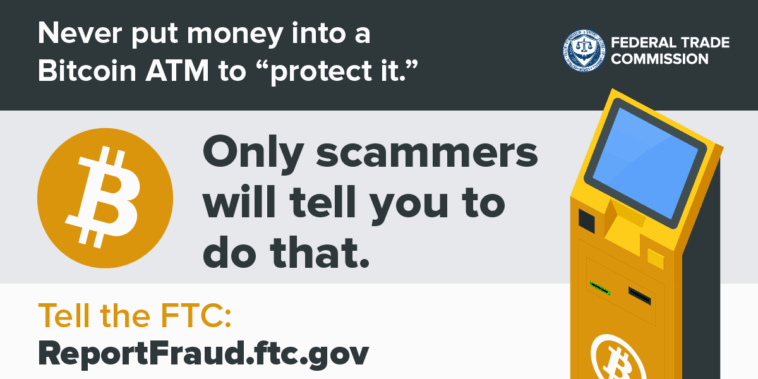
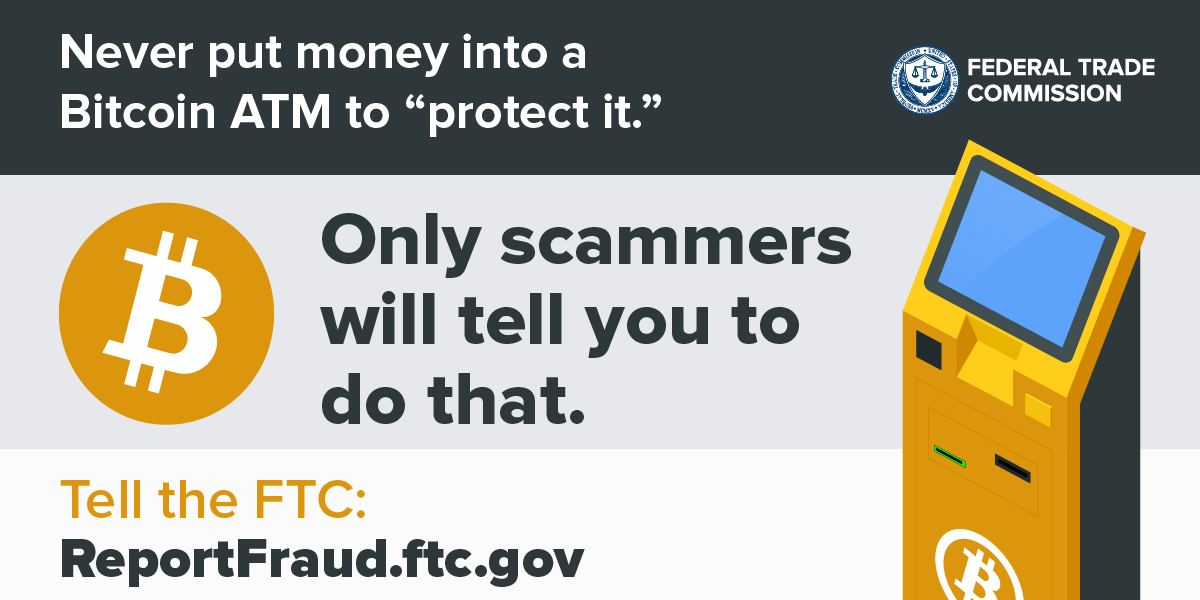
A significant part of this coordinated effort involves the placement of “STOP” signs on or near Bitcoin ATMs. These signs serve as quick, visual reminders to users who may have been influenced by a scammer, advising them to halt their transactions and reassess the situation. By drawing attention to potential scams at the point of sale, these signs make the process of working through scams less confusing and help deter the impulsive actions that scammers depend on.
Moreover, the partnership between state and local agencies has led to the circulation of consumer alerts and educational materials. These alerts are extensively distributed through digital platforms, local news outlets, and community centers, ensuring that even those with limited digital literacy receive the crucial information. This type of collaboration is a key element in the state’s broader strategy to make digital financial transactions safer and more secure.
Understanding the Broader Impact: Economic and Social Considerations
The ripple effects of cryptocurrency ATM fraud extend beyond individual financial losses. Entire communities stand to lose when fraud is rampant, and trust in innovative financial technologies can wane. Small businesses and local economies may also suffer when residents are hesitant to engage in digital transactions due to perceived security risks.
From an economic standpoint, the introduction of stricter measures helps mitigate the overall financial damage by making large-scale fraud less appealing to criminals. By capping daily transaction amounts, the law ensures that even if scammers manage to trick a few victims, the total amount lost in a single incident remains relatively contained.
Socially, these changes help protect the trust between consumers and financial service providers. When the government actively steps in to shield its citizens, it sends a clear message that public safety is paramount. This helps to maintain community cohesion and economic stability, as residents feel more confident transacting and engaging in commerce.
In a broader perspective, these measures encourage more responsible business practices and inspire other jurisdictions to consider similar initiatives. The idea is to foster an environment where digital transactions are safe, and technological innovations are not undermined by the actions of a few bad actors.
Insights from Law Enforcement on the Challenges and Rewards of New Regulations
Law enforcement officials have shared their observations on the new measures and the on-going challenges they face while dealing with cryptocurrency scams. One of the most significant challenges is the ability of scammers to quickly adapt to new regulatory environments. However, the benefits of these new measures are evident; fewer reported cases and a growing sense of digital security among residents signal that the law is working as intended.
Local police departments and FBI representatives have consistently noted that the problem is loaded with issues that require a careful and multifaceted approach. They have witnessed firsthand the nerve-racking distress experienced by victims of cryptocurrency fraud, and in many cases, these losses have run into millions. The new law, by focusing on the subtle details of transaction processes, is making it more challenging for fraudsters to find loopholes and exploit vulnerabilities.
One law enforcement officer remarked, “Each improvement in transparency and accountability at a cryptocurrency ATM is a step forward in our ongoing struggle with fraud. The adjustments in transaction limits and our collaborative educational efforts greatly aid in reducing the overall risk.” Such acknowledgments from our frontline officials underline the critical nature of proactive policy changes that address both immediate and lingering issues in the digital financial landscape.
Educational Outreach: Teaching Seniors How to Avoid Scams
Seniors are particularly vulnerable to digital scams due to the confusing bits in new technology and a general lack of familiarity with the fast-evolving digital economy. Recognizing this, multiple initiatives have been launched to bridge the knowledge gap.
Community centers, libraries, and even local police departments offer seminars and workshops designed to educate older adults on how to detect and steer through the deceptive tactics of cryptocurrency scammers. These sessions cover:
- Basic digital literacy, including safe internet practices and secure transaction methods.
- Identifying common red flags in fraudulent communication.
- Using available consumer protections, such as the refund policies, properly.
- How to report suspicious activity promptly to avoid further losses.
Workshops are often interactive, allowing participants to ask questions and share their experiences, which helps demystify what can sometimes be overwhelming technology. The empowerment of older adults through education is not just about passing on knowledge; it’s a crucial part of a larger strategy to make sure that all members of society can confidently and securely participate in financial activities.
This form of grassroots outreach is super important because it creates a safety net that no legislative measure can provide on its own. When communities are informed and aware, the overall resilience against scammers naturally increases.
How Similar Regulations Could Influence Other Jurisdictions
Arizona’s proactive stance on cryptocurrency ATM fraud may serve as a model for other states wrestling with similar challenges. As digital transactions become increasingly common across the nation, many regions are now being forced to confront trickier parts of fraud prevention that were once thought of as issues too tangled to resolve.
Other states can learn from Arizona’s approach by adopting a multi-layered strategy that combines legislative action, law enforcement collaboration, and public education. The following bullet list outlines some strategies that could be effectively replicated elsewhere:
- Implement Transaction Limits: Establish daily caps on cryptocurrency transactions for new and existing users to minimize losses.
- Mandate Clear Warnings: Require cryptocurrency ATMs to display prominent warning messages that users must acknowledge before proceeding.
- Ensure Refund Guarantees: Legally obligate ATM operators to provide full refunds within a specific time frame upon confirmation of fraud.
- Enhance Consumer Education: Launch outreach programs aimed at vulnerable groups, particularly seniors, to boost their digital literacy and fraud awareness.
- Foster Collaborative Efforts: Encourage partnerships among state agencies, local law enforcement, and community organizations to create a layered defense against scams.
These strategies, when taken together, represent a robust framework capable of addressing the subtle details of the digital transaction landscape that often hide the fine points criminals exploit.
Reflections on the State’s Broader Commitment to Consumer Protection
At its core, the implementation of the Cryptocurrency Kiosk License Fraud Prevention law is more than just a regulatory measure—it’s a statement of commitment by the state of Arizona to protect its residents against morally questionable practices in the digital age. It signals a broader commitment to consumer rights, transparency, and fundamental fairness in the rapidly evolving world of digital finances.
Many governments today are grappling with the balance between fostering innovation and protecting citizens from exploitation. Arizona’s approach, rooted in practical steps such as clear transaction limits and enhanced consumer education, is an example of finding that balance. By taking concrete action, the state helps to build trust among its residents while also setting stringent requirements for service providers.
This significant policy move also represents a clear message to scammers: Arizona will not tolerate fraudulent schemes that undermine the financial stability of its citizens. Such robust regulatory frameworks are essential in creating an environment where digital innovations can thrive without being overshadowed by deceptive tactics.
Future Outlook and Recommendations
As cryptocurrency continues to grow in popularity, and as digital transactions become increasingly integrated into everyday life, the need for consumer protection will only intensify. The measures passed in Arizona offer a comprehensive blueprint that other states might adapt to their local challenges, thereby creating a more secure digital economy nationwide.
Looking ahead, it is critical for regulators and law enforcement agencies to continuously monitor and adjust strategies in response to evolving scam techniques. The following recommendations highlight some of the next steps that could help further refine consumer protection:
- Regular Policy Reviews: Conduct periodic evaluations of the effectiveness of current regulations. Adjust transaction limits and warning systems based on emerging data and feedback from affected users.
- Enhanced Digital Literacy Programs: Invest in innovative educational platforms that target all age groups, with particular emphasis on seniors and other vulnerable populations.
- Strengthen Public-Private Partnerships: Encourage dialogue between government entities and private cryptocurrency ATM operators to share best practices for fraud prevention and to create industry-wide standards.
- Leverage Technology for Security: Adopt new technologies such as advanced monitoring systems that can detect unusual transaction patterns, potentially stopping fraud in its tracks.
- Comprehensive Reporting Systems: Improve the systems available for reporting fraudulent activity so that law enforcement can quickly compile data and respond before scams escalate.
These steps can ensure that the momentum built by the current law continues, enhancing security measures and boosting community confidence in digital transactions. As technologies evolve and scammers pursue new methods, it becomes super important to maintain agility and foresight in crafting policies that protect all consumers.
Conclusion: A Positive Step Toward a Safer Digital Future
The enactment of Arizona’s new law against cryptocurrency ATM scams is a significant advancement in consumer protection. By addressing the confusing bits of digital transactions—through lowered daily limits, visible warnings, receipt requirements, and enforced refunds—the state is taking robust action to stem a tide of fraud that has previously cost millions in lost savings.
This legislative move not only offers immediate relief to victims but also sets a precedent for how communities across the nation can work together to find their way through the tangled issues of modern digital finance. With a clear message that fraudulent actions will not be tolerated, the law empowers individuals to take a cautious approach and demand transparent transactions from service providers.
It is essential for every Arizonan—and indeed every American—especially those who may be considered vulnerable, such as seniors, to remain informed and vigilant. While no law can completely eliminate the threat of fraud, measures like these, coupled with community education and proactive law enforcement, significantly reduce the opportunities for scammers to operate unchecked.
In closing, Arizona’s new safeguards against cryptocurrency ATM scams serve as a beacon of hope and a model for other regions. By bridging legislative action with practical consumer safeguards, the state is helping to build a more secure, resilient, and inclusive digital financial ecosystem. Whether you are a seasoned investor or a senior taking your first steps into digital transactions, these reforms are designed to ensure that your financial journey remains as safe and straightforward as possible.
Moving forward, it will be critical for all stakeholders—government regulators, law enforcement, community leaders, and financial service providers—to continue working together. This joint effort is key to addressing the subtle details and fine points that underpin digital fraud, ensuring that as technology evolves, our protections evolve in tandem. Together, we can make certain that the innovations that drive our digital economy do not come at the expense of our financial security and trust.
Originally Post From https://www.azag.gov/press-release/attorney-general-mayes-announces-new-protections-against-bitcoin-atm-scams-going
Read more about this topic at
Crypto scams: how to avoid becoming a victim – DFPI – CA.gov
What To Know About Cryptocurrency and Scams