Scottsdale Drug Bust Under the Microscope: Legal and Social Implications
The recent arrest of two men in Scottsdale following an extensive investigation into illegal drug sales has raised many questions about our community’s safety and legal procedures. In this opinion piece, we take a closer look at the operation led by the Scottsdale Police Department’s Drug Enforcement Unit, analyze the legal challenges faced by the accused, and consider the broader societal and legal impacts that ripple beyond the immediate drug bust. This article aims to explore the tricky parts, tangled issues, and hidden complexities of such law enforcement operations and assess the path forward.
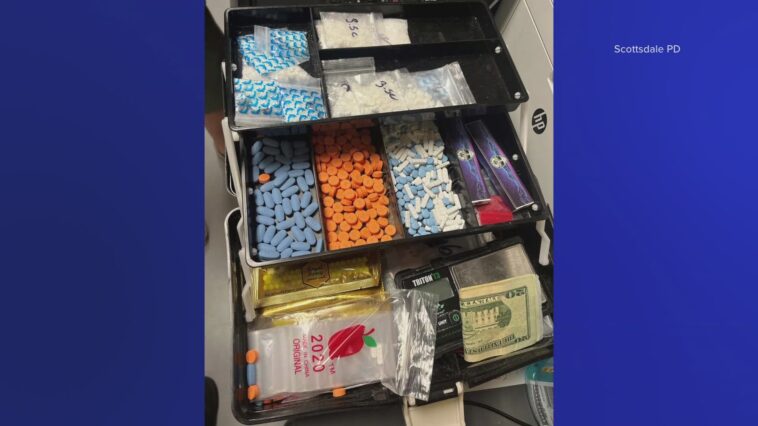
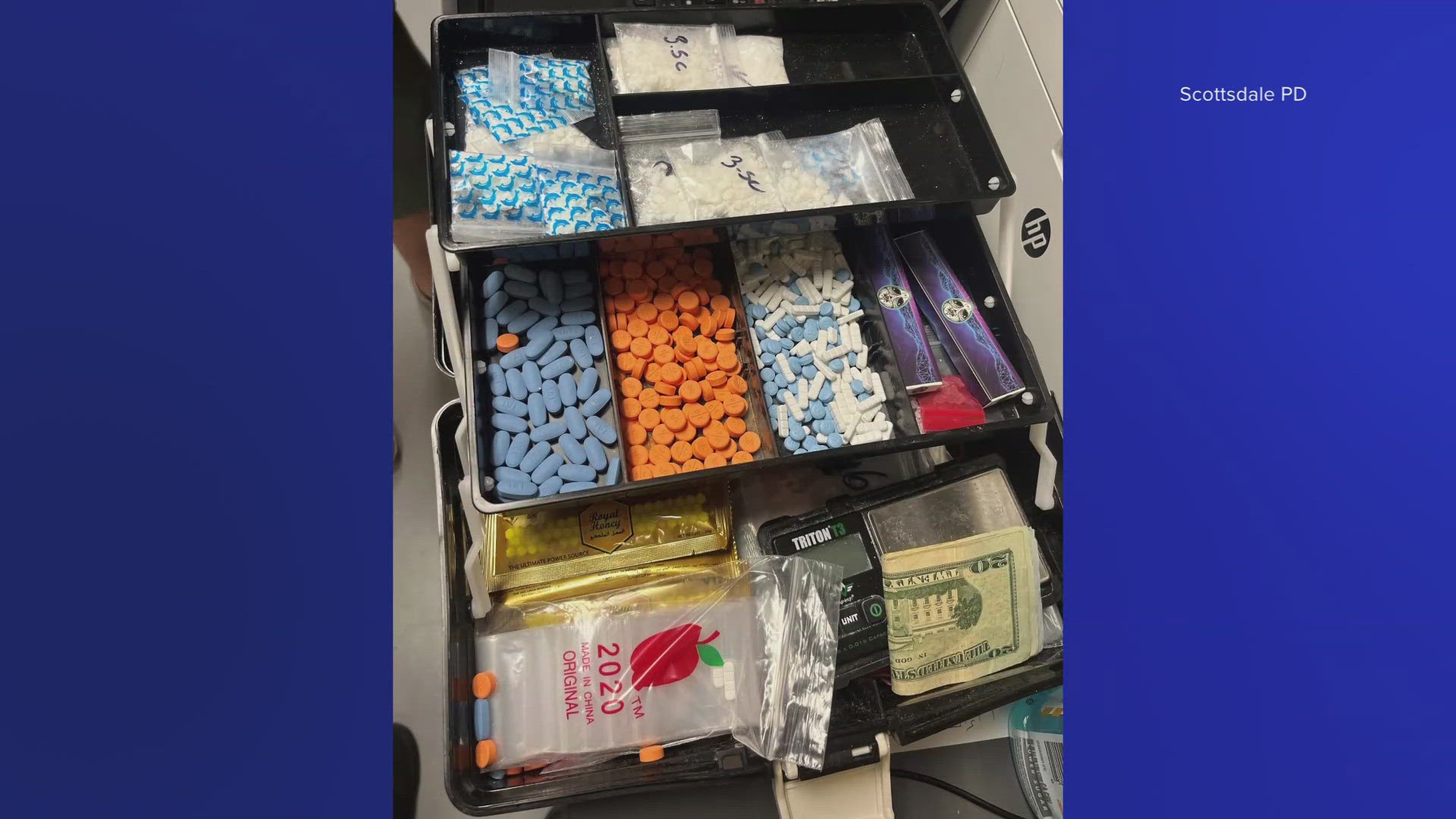
On a recent Wednesday evening, law enforcement officials took Matsemela Zuzu Moloi, 31, and Luke Asher McConnell into custody on multiple charges. Authorities allege that the two men had been involved in selling various controlled substances in the Old Town Scottsdale area for months. The drugs reportedly seized during the operation included cocaine, ketamine, methamphetamine pills, MDMA, Xanax, and psilocybin—a mix that not only signifies a diverse inventory but also hints at the complicated pieces of illicit narcotics trafficking. Additionally, law enforcement reported the seizure of approximately $45,000 in suspected drug proceeds and three illegally possessed firearms.
This operation, while successful in seizing illegal drugs with a combined estimated street value of around $34,000, offers a gateway to examining the legal standards and community responsibilities that underpin such high-stakes enforcement efforts. As we get into the details, it is essential to note that the investigation itself spanned several months, showcasing the off-putting and nerve-racking dedication required to manage these types of cases.
Evaluating the Law Enforcement Tactics and Legal Framework
The methods used by the Scottsdale PD raise important questions about the long-standing challenges of policing and prosecuting cases involving not only drug sales but also the possession of illicit firearms. From the onset, law enforcement’s approach involved a systematic and sustained surveillance effort aimed at building a robust case against suspects. In legal circles, understanding the little details—the fine points of evidence collection and chain-of-custody procedures—is key to ensuring that arrests result in successful prosecutions.
One of the inherent challenges in cases like these is the requirement to “figure a path” through a maze of legal standards. For example, determining the admissibility of the seized drugs, proceeds, and firearms involves identifying multiple layers of statutory and case law. This task can seem overwhelming because of the numerous twists and turns involved. Officers must adhere to strict guidelines to secure warrants, and defense attorneys often poke around for any small distinctions or subtle details that might render evidence inadmissible in court.
Legal Precedents and the Burden of Proof
When it comes to drug-related prosecutions, legal experts agree that every evidence piece carries critical importance. The following table summarizes some key aspects of the legal process in drug bust cases:
| Legal Element | Description | Common Challenges |
|---|---|---|
| Probable Cause | Evidence must indicate a high likelihood that a crime is being, or has been, committed. | Establishing clear connections between suspects and illegal activity. |
| Chain of Custody | Proper documentation of evidence from seizure to trial. | Maintaining integrity in the transfer and storage of items. |
| Search and Seizure | The legal means by which evidence is gathered, requiring warrants. | Ensuring that any evidence obtained does not violate constitutional rights. |
| Weapon Charges | Additional legal complexities when illegal firearms are involved. | Proving unauthorized possession and potential intent for violence. |
Each of these elements requires both law enforcement and the judiciary to work through numerous little twists and subtle parts of the law. The suspense both during and after the investigation reflects the ongoing tensions between swift enforcement and upholding individual legal rights.
Community Impact and Public Safety: A Broader Perspective
The implications of these arrests go beyond the immediate legal battles faced by the suspects. From a societal perspective, drug busts and related weapon charges are seen as a double-edged sword. On the one hand, they are essential for keeping drugs and illegal weapons off the streets; on the other hand, they highlight deep-seated issues within the community, including issues of public trust and safety.
Assessing the Social Ramifications
For community members, news of this nature can be both reassuring and alarming. Reassurance comes in the form of visible law enforcement action against criminal activity. However, the public also grapples with the inevitable questions that these arrests bring up:
- Is our neighborhood becoming a magnet for criminal activities?
- Are the methods used by the police in our community appropriate and respectful of individual rights?
- How will this operation influence future government policy?
This blend of reassurance and concern mirrors the feelings many residents often experience when faced with a major criminal operation. It is off-putting to witness the darker aspects of our society manifest in our communities, yet these operations are a key component of maintaining public order and safety.
Drug Markets and Community Health
Beyond immediate criminality, the unregulated drug market poses long-term challenges to community health and wellbeing. The seizures reported in this case indicate a diversification in the types of drugs being sold. Substances like MDMA, cocaine, and meth pills not only present acute risks but also contribute to broader public health issues that can lead to increased healthcare spending, higher rates of addiction, and more frequent fatal overdoses.
This situation underscores how law enforcement efforts overlap with community-based interventions. Many experts argue that while arrests and seizures are necessary, it is equally important to invest in public health strategies that focus on education, treatment, and preventive measures. Without these complementary efforts, the cycle of illegal drug sales and the resultant societal harm may continue unabated.
Balancing Civil Liberties with Public Safety
One of the most contentious debates in modern law enforcement is finding the right balance between aggressive policing strategies and the protection of civil liberties. The Scottsdale operation, with its months-long investigation and multiple arrests, sits at the heart of this conversation. Critics often argue that such operations sometimes toe the line between ensuring public safety and infringing on personal freedoms.
Understanding the Legal Rights of Suspects
While police actions can be seen as necessary to maintain order and reduce the spread of dangerous substances, it is also important to ensure that the accused receive fair treatment under the law. For anyone facing drug charges—and sometimes additional weapon charges—there is the nerve-racking challenge of managing their legal defenses. Many defense attorneys emphasize the need to closely examine the “little details” of evidence collection and the overall handling of the case to safeguard the rights of the accused.
For instance, the admissibility of evidence such as seized drugs and confiscated proceeds can often come into question. In some cases, minor procedural missteps—for example, issues surrounding the chain of custody or the validity of search warrants—can be enough to weaken the prosecution’s case. In this sense, every step of the investigation has layered legal ramifications that must be carefully managed.
The Role of Oversight and Accountability
Another important aspect is the oversight of law enforcement tactics. Establishing independent reviews of police operations can help the community find a way to balance law enforcement efficiency with the protection of civil rights. Accountability mechanisms, such as public inspections of police files and periodic community assessments, serve as essential tools in verifying that the authorities are acting within legal limits. This structured oversight ensures that while the police are working hard to keep our streets safe, they also respect the individual rights guaranteed by the law.
The community’s trust in the justice system depends largely on this balance. When extraneous issues—such as the mishandling of evidence or excessively aggressive tactics—come to light, it diminishes public confidence and undermines the legitimacy of the legal process. Therefore, both law enforcement agencies and community-based oversight bodies must continue to work together to sort out these tricky parts and maintain a legal process that is equitable and transparent.
Comparative Analysis: Other Recent Incidents and Their Impact
While the Scottsdale operation has dominated recent headlines, it is not an isolated incident. In recent times, news from across the region has presented additional cases laden with tangled issues that speak to broader trends in crime and law enforcement. A few notable examples include:
- North Phoenix Shooting Incident: A woman fatally shot in north Phoenix on Friday morning heightened concerns about violent crime and raised significant legal questions regarding the use of force.
- Armed Fugitive Incident in Chandler: Federal agents fatally shot a wanted suspect, revealing the fine points of coordinating efforts between local and federal authorities, and the hidden complexities of armed confrontations.
- Mesa Murder-Suicide: The tragic case of a divorced couple’s apparent murder-suicide in Mesa further intensifies debates about mental health, domestic violence, and the responsibilities of intervention by law enforcement.
Each of these events requires public officials and community stakeholders to take a closer look at both the law enforcement practices in use and the broader systemic issues that contribute to such outcomes. In the context of the Scottsdale drug bust, one must ask: what do these incidents have in common, and what lessons can be drawn from their outcomes?
Common Threads Between Incidents
Despite the very different scenarios—the drug bust in Scottsdale versus a fatal shooting in North Phoenix—certain common strands run through these incidents:
- The Need for Effective Coordination: Whether dealing with drug investigations or violent crimes, the process relies on well-coordinated efforts among various agencies. This negotiation of multi-agency cooperation is loaded with issues that can either make or break an investigative effort.
- Importance of Evidence Handling: For both drug cases and violent crimes, the handling and presentation of evidence is damning evidence for both the prosecution and the defense. It is, therefore, super important for the authorities to get the nitty-gritty right.
- Community Trust: All these incidents test the community’s trust in law enforcement. As citizens demand both safety and fairness, law enforcement must continue to be transparent in their methods and accountable for any missteps.
These common threads demonstrate that while the individual incidents might appear isolated, they in fact reflect broader patterns in both criminal justice practices and societal challenges. This comparative analysis highlights why discussions about these events are essential for creating informed public policy and fostering community resilience, especially when dealing with overwhelming issues like public safety and civil liberties.
Challenges in Prosecuting Drug Trafficking Cases
Drug trafficking cases are among the most challenging for prosecutors due to the multitude of legal maneuvers that must be precisely managed. In the Scottsdale case, for example, law enforcement must prove not only that the suspects were engaged in drug sales but also that the evidence was obtained legitimately.
Fine Points of Evidence Collection and Admissibility
The legal process in these cases is filled with fine points that can have significant impacts on the outcome. When evidence such as drugs, money, and firearms is collected, the following are often scrutinized:
- Proper Documentation: Every item seized is cataloged meticulously to prevent any claims of tampering or mishandling.
- Chain of Custody: This record is reviewed repeatedly to ensure that evidence remains uncontaminated from the point of seizure to the courtroom.
- Search Warrants: The legality of each search is examined closely. Any misstep, even a slight difference in procedure, can lead to evidence being tossed out, which can cripple the case.
Legal experts emphasize that the success of a drug trafficking prosecution often depends on these subtle details. Even a seemingly minor error can result in evidence being ruled inadmissible, which in turn may lead to cases being dismissed or charges being reduced. For the public, these legal twists and turns highlight why law enforcement must work diligently through tangled issues to secure a safe and just outcome.
Weapon Charges and Their Legal Consequences
The addition of weapon charges to drug cases introduces another layer of legal complexity. Possessing illegal firearms raises the stakes substantially for the accused, as the penalties for such charges tend to be severe. In Scottsdale’s case, the seizure of three illegal firearms further compounded the legal challenges facing the suspects.
Weapon charges often lead to harsher sentencing guidelines, particularly when combined with drug-related offenses. This combination not only intensifies the legal repercussions but also sends a strong signal to the community about the serious nature of these crimes. As courts weigh evidence, the dual charge of drug trafficking combined with illegal firearm possession makes the legal process even more dramatic, underscoring the need for every agency involved to be absolutely precise in their handling of the case.
Preventing Recurrences: Policy and Community Strategies
In the wake of such operations, it becomes essential for policymakers and community leaders to reflect on preventive measures. How can communities work together with law enforcement agencies to reduce the recurrence of such incidents? This question is at the forefront of ongoing debates that consider both the legal and societal dimensions of drug-related crimes.
Implementing Comprehensive Public Safety Policies
Governments and policymakers are increasingly aware of the need for a balanced approach that includes both law enforcement and community-based prevention strategies. Key policies that are frequently discussed include:
- Enhanced Surveillance and Investigation Techniques: Investing in better training and technologies ensures that the police remain one step ahead in tracking illicit drug networks. This approach inherently requires digging into both the overt and hidden parts of criminal operations.
- Community Outreach Programs: Engaging local communities through education and support groups helps address the underlying issues that lead to drug trafficking and illegal arms possession. Targeted prevention programs can be crucial in reducing the allure of criminal enterprises.
- Judicial Reforms: Examining sentencing guidelines and establishing clear protocols for evidence handling can help ensure that justice is both swift and fair. This may involve rethinking mandatory minimum sentences and allowing for more judicial discretion in certain cases.
These policies, individually and collectively, represent not just immediate responses to criminal cases but also long-term solutions aimed at creating a safer environment for all residents. They remind us that while immediate arrests and seizures are necessary, they must be accompanied by initiatives that address the root causes of crime.
Building Trust Through Transparency and Accountability
To prevent similar issues in the future, transparency on how investigations and operations are handled is super important. The community’s trust can be significantly enhanced by:
- Regular Public Updates: Law enforcement agencies should provide periodic briefings on ongoing operations and the progress of legal proceedings.
- Independent Audits: Third-party reviews and audits of police operations ensure that investigative procedures adhere to legal standards.
- Community Forums: Public meetings and forums offer an opportunity for citizens to ask tough questions and voice concerns directly, thereby strengthening trust between the police and the community.
When civilians see that officials are both accountable and transparent about their investigation techniques, it calms the apprehension that often surrounds major law enforcement operations. The delicate balance between enforcing the law and protecting civil rights continues to be a hot topic, and fostering open dialogue can significantly aid in bridging the gap.
Reflections on the Role of Law Enforcement and the Future of Local Justice
This latest operation in Scottsdale is a reminder of the nerve-racking and off-putting challenges law enforcement faces constantly. The evolving nature of drug trafficking, coupled with the increasing accessibility of illegal weapons, shows that our current legal frameworks and policing strategies must continuously adapt. Beyond the arrests and the immediate legal battles, there lies a broader lesson in how communities and law enforcement must work together to secure a more just society.
The Ongoing Legal Battle: A Dual-Edged Sword
The legal process in cases like these is rarely straightforward. For the suspects, the journey ahead is filled with arduous challenges—from potential violations of constitutional rights to debates over the evidence’s validity. For society, however, these cases serve as a double-edged sword. While they demonstrate a committed effort to root out criminal behavior, they also lay bare the delicate balance between public safety and individual freedoms.
Some of the key legal questions that continue to spark debate include:
- How can investigators best ensure that every step in an operation upholds the accused’s legal rights while still effectively targeting criminal networks?
- What refinements in police protocols are needed to handle the tangled issues that come with multi-faceted criminal operations?
- How can the justice system move more swiftly without sacrificing the thorough examination of each fine detail in evidence handling?
These questions are not easily answered, which is why many legal experts suggest that cooperation across various legal fields, including criminal law, civil rights law, and public policy, is essential. Law enforcement is continuously expected to find its way through a maze of both procedural and ethical hurdles—each of which demands careful consideration, clear guidelines, and above all, community support.
Looking Ahead: An Evolving Legal Landscape
The Scottsdale incident is just one chapter in an ongoing story of local justice confronting modern challenges. As policies evolve and new technologies emerge, law enforcement agencies will need to get around the ever-changing legal terrain. This evolution includes:
- Technological Advancements: The use of data analytics, body-worn cameras, and advanced surveillance tools is becoming more prevalent. While these innovations can greatly aid in evidence gathering and accountability, they also introduce new tricky parts that lawmakers must address.
- Legal Reforms: Adjusting sentencing guidelines and updating search and seizure laws can help mitigate some of the hidden complexities encountered in high-stakes cases.
- Interagency Collaboration: Strengthening the ties between local, state, and federal agencies may be necessary to tackle criminals operating across jurisdictions, especially when multiple crimes overlap.
This evolving legal landscape is one that calls for continuous learning and adaptation from everyone involved—from the police on the street to the judges in the courtroom. Reflecting upon these issues and discussing possible reforms is on edge and often full of problems, but it is a debate that is as necessary as it is complicated.
Conclusion: A Call for Balanced and Transparent Justice
In summary, the arrest of two men in Scottsdale following a lengthy investigation into illegal drug sales and weapon possession is a case study in the multifaceted challenges of modern law enforcement. It highlights the tangled issues embedded in conducting prolonged investigations, the nitty-gritty of evidence collection, and the daunting task of balancing robust public safety measures with the preservation of civil liberties.
This operation, with its mix of drug seizures, monetary proceeds, and illegal firearms, serves as a reminder of the need for law enforcement agencies to tread carefully through every twist and turn in the legal process. Each arrest is accompanied by a host of further questions—about the admissibility of evidence, the protection of individual rights, and the overall efficacy of current policies.
For community members, these events are intertwined with everyday concerns about safety, trust, and the visible hand of the law in maintaining order. For legal professionals, they underscore each case’s legal complexities, requiring a detailed approach to every subtle part of evidence handling and procedural correctness.
Looking ahead, it is super important that policymakers, law enforcement, and community stakeholders continue to work together in building a system that is not only efficient in fighting crime but also transparent and respectful of fundamental rights. As crime evolves and legal challenges become even more intimidating, investing in comprehensive public safety measures, refining evidence management protocols, and ensuring robust oversight remain key components in securing a balanced system of justice.
Ultimately, the ongoing saga of drug-related crimes and the resulting legal battles teaches us that while the law must be enforced stringently, adapting to new challenges and addressing the root causes of criminal behavior are equally crucial. Whether through advanced investigative techniques, informed legal reforms, or improved community outreach efforts, finding a sustainable path through these tricky parts is the responsibility of both our justice system and the communities it aims to protect.
In closing, the Scottsdale case, with its numerous facets and legal hurdles, perfectly encapsulates the small distinctions between effective law enforcement and the collateral challenges that invariably arise. It reminds us that as we continue to get into these high-stakes operations, every stakeholder—from seasoned legal professionals to everyday citizens—must strive to work through the labyrinth of legal issues with transparency, accountability, and an unwavering commitment to upholding justice for all.
Key Takeaways and Future Outlook
As we wrap up this discussion, it is productive to distill the key points from the Scottsdale operation and similar incidents, and to ponder what the future legal landscape might hold:
- Robust Investigations: Law enforcement must continue to employ vigilant and well-documented investigative techniques to ensure that every step taken in cases like these can hold up in court.
- Transparent Procedures: Clear protocols and regular public briefings help maintain community trust while shedding light on the complex legal maneuvers that underpin every operation.
- Balanced Enforcement: Striking a balance between aggressive policing and the protection of individual rights remains a perennial challenge that must be addressed through ongoing dialogue and legal reforms.
- Interagency Collaboration: Coordination between local, state, and federal agencies continues to be essential in managing cases that involve multiple, overlapping criminal activities.
- Preventive Initiatives: Beyond enforcement, communities must invest in long-term public safety policies that address the root causes of drug trafficking and violence.
These takeaways are not only goals to aspire to but also serve as benchmarks by which future legal operations will be measured. By ensuring that every link in the chain—from investigation to prosecution—is solid, the criminal justice system can better safeguard community interests while upholding the foundational principles upon which our society is built.
There is an ongoing need for continuous dialogue between law enforcement, legal experts, policymakers, and the community. By addressing every nerve-racking and intimidating twist and turn along the way, we pave the path toward a future where the law is administered fairly, efficiently, and transparently. In the wake of the Scottsdale drug bust, it becomes clear that building a safer community starts with honest reflection on both our successes and our shortcomings.
Ultimately, as we chart the future of legal enforcement and public safety policy, it is imperative that every stakeholder works tirelessly to bridge the gap between effective crime deterrence and the preservation of civil liberties. The lessons learned from this case are many, and they call for not only immediate mitigation but also long-term strategic planning designed to meet the challenges of a rapidly evolving legal and social landscape.
In a world where the law must continuously adapt to emerging threats, ensuring that justice is served without compromising individual freedom remains a monumental, yet achievable, goal. As this case and others like it demonstrate, every effort invested in getting around the complicated pieces of our legal system yields dividends in community trust, public safety, and the overall integrity of our justice system.
Through enhanced training, improved oversight, and better public communication, there is hope that future operations will be as effective in enforcing the law as they are in safeguarding the rights that are central to our democratic society. Thus, while the challenges are many, the commitment to a transparent and balanced legal process must remain at the forefront of all efforts to ensure a just and safe community for all.
Originally Post From http://www.kpho.com/2025/08/16/2-men-face-illegal-drug-sales-weapons-charges-after-arrest-scottsdale/
Read more about this topic at
2 men face illegal drug sales, weapons charges after arrest …
Drug dealing investigation leads to arrest of 2 men