Introduction: Collaborative Efforts in the Fight Against Drug Trafficking
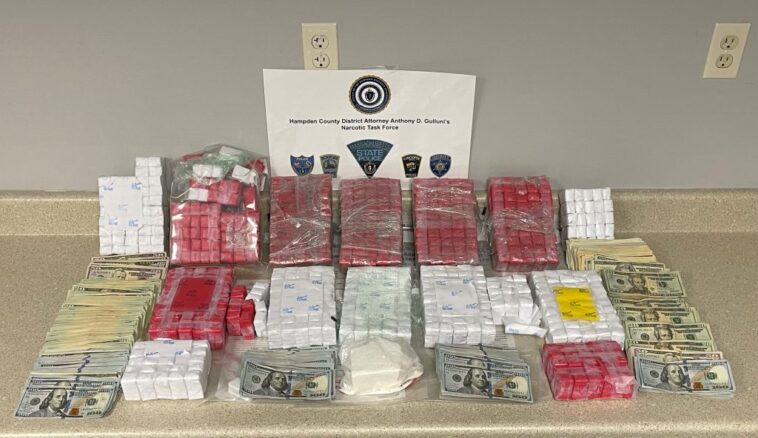
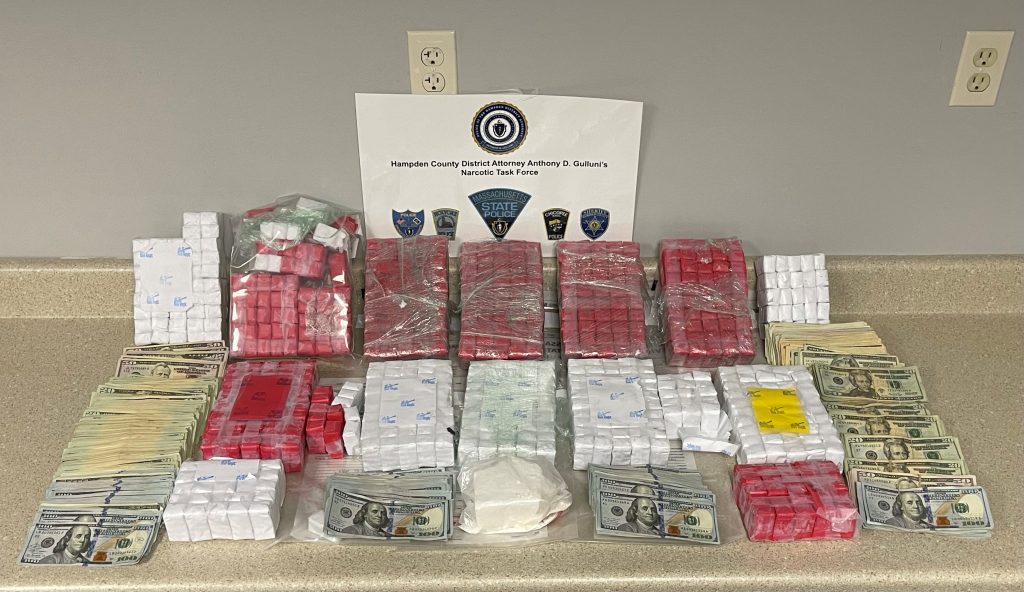
The recent drug bust in Holyoke serves as an important example of how collaborative law enforcement initiatives can tackle the intricate web of drug-related activities. In this opinion editorial, we take a closer look at the operation that led to six arrests and the seizure of a significant quantity of heroin/fentanyl. This op-ed examines the intertwined roles of multiple agencies, some of the tricky parts of inter-agency operations, and the community impact of such actions. We also explore the legal, social, and technological dimensions of the operation while considering the broader implications for tackling drug trafficking in urban centers.
For the uninitiated, the operation was a combined effort that brought together the Holyoke Police Department, FBI’s western Massachusetts Gang Task Force, the Drug Enforcement Administration (DEA) Task Force, the SAFE Task Force, and the Massachusetts State Police Gang Unit. By pooling resources and expertise, these agencies managed to intercept what appeared to be a drug transaction on High and Newton Streets. This kind of coordinated response is a reminder that tackling the drug trade in an urban setting is rarely straightforward. Instead, it requires a deep understanding of the little details of criminal behavior and a collective determination to steer through the complicated pieces of an often intimidating landscape.
Case Study: The Holyoke Drug Bust and Its Approach to Inter-Agency Collaboration
At the heart of the Holyoke operation was the detection of suspicious activity during routine surveillance near a well-known drug hotspot. Officers noticed a transaction that raised alarms and quickly intervened. The immediate aftermath led to the detention of 45-year-old Jeremy Majewski, who was believed to be involved in a larger network of drug trafficking. His arrest, along with those of five others, underscores the necessity and potential of well-orchestrated law enforcement collaborations when tackling a problem that is both loaded with issues and full of problems.
Detailing one significant angle of the operation, the Holyoke Police Department’s use of social media to disseminate updates played a crucial role in keeping the community informed. The public awareness generated by such posts helps to build trust, even as residents sometimes grapple with the nerve-racking presence of drug trade activities right in their neighborhoods. In this case, the collaborative spirit among various law enforcement agencies allowed them to get into the nitty-gritty of the operation more effectively than any single agency might have managed on its own.
Collaborative Law Enforcement Strategies in the Holyoke Operation
A closer look at the agencies involved reveals a strategic mix of local, state, and federal resources. The multi-agency approach, driven by shared expertise and a unified mission, highlights what many consider a super important step in curbing drug-related violence and crime. Below is a table summarizing the principal players involved and their roles:
| Agency | Role in the Operation |
|---|---|
| Holyoke Police Department | Primary surveillance and ground enforcement; initial contact and arrest |
| FBI Western Massachusetts Gang Task Force | Providing expertise on organized crime networks and intelligence support |
| DEA Task Force | Specialized knowledge in drug trafficking investigations and evidence gathering |
| SAFE Task Force | Ensuring the safety of officers and the community by implementing protective measures |
| Massachusetts State Police Gang Unit | Assisting with broader implications of gang-related criminal activities and coordinated interventions |
This table demonstrates that when law enforcement agencies work together, they can pool their resources, experience, and subtle parts of their investigative techniques. The collective action helps to address both the visible and hidden challenges associated with the drug trade.
Legal Implications and the Cross-Jurisdictional Challenge
The Holyoke drug bust brings up several legal questions that demand careful consideration. One of the trickier parts of the legal debate is understanding how various agencies can coexist without stepping on each other’s toes. With each force operating under its own set of rules, jurisdictions, and areas of responsibility, the legitimate concerns about overlapping authorities and accountability become clear.
Some of the confusing bits regarding inter-agency cooperation include:
- Clarifying which agency has the leading role during a joint operation
- How evidence is managed and shared between local, state, and federal entities
- The potential for legal loopholes if the precise chain of command is not well established
- The rights of those arrested during such coordinated operations and ensuring their due process
In a situation that is both charged with legal tension and loaded with operational pressure, law enforcement officials must find your way around the legal framework without compromising on critical civil liberties. While this balancing act can be off-putting, it is a must-have task in ensuring that the methods employed in drug busts are not only effective but also constitutional.
Looking at previous precedents, various cases have illustrated that failing to manage these overlapping responsibilities may result in evidence being compromised or, in some cases, critical legal challenges that could undermine the entire operation. As such, this scenario becomes a prime example of how necessary it is for law enforcement agencies to work through the tangled issues of jurisdictional boundaries in order to enforce the law effectively.
Community Safety and the Social Impact of Collaborative Drug Busts
Beyond the legal and operational considerations, the community response to drug busts is an area that warrants significant attention. Neighborhoods that suffer from open-air drug trade often find themselves in a state of unease, where residents must cope with the constant presence of a dangerous underground network. The Holyoke bust comes as both a relief and a prompt for further discussion regarding community safety and welfare.
The drug bust had a direct impact on community sentiment. Residents who have long been plagued by the visible signs of drug activities see these operations as a positive step. However, the reaction is mixed, as some worry that such dramatic interventions might simply displace the problem. Here are some of the main community outcomes observed:
- Enhanced Sense of Security: Many community members express relief at the visible action taken by law enforcement, feeling that the presence of multiple agencies working together is a reassuring sign.
- Concerns Over Displacement: There is a worry that drug networks may simply relocate to nearby neighborhoods, shifting the problem rather than solving it.
- Increased Public Scrutiny: The operation prompts residents to question the balance between aggressive policing practices and community outreach, raising subtle questions about trust and accountability.
- Economic Impacts: With drug-related activities known to depress local economies, successful busts can potentially contribute to the recovery of local businesses and property values.
Understanding these community concerns is key. Law enforcement officials and policymakers must both recognize the off-putting aspects of heavy-handed interventions and the need for comprehensive strategies that address the socio-economic root causes of drug trafficking. Finding your way through these delicate issues requires not only strong coordination among police agencies but also a commitment to community-oriented solutions that emphasize rehabilitation, prevention, and dialogue.
Modern Policing: The Role of Technology and Surveillance
Technological advances have revolutionized modern law enforcement operations. In the Holyoke bust, surveillance and data collection proved to be critical tools. Officers were able to detect a drug transaction in progress by using modern monitoring techniques—a practice that has become increasingly common in urban operations against drug trafficking.
Modern technology in policing includes:
- Real-Time Surveillance: High-definition cameras, drones, and mobile monitoring allow police to catch suspicious activities as they happen.
- Data Sharing Platforms: Secure, inter-agency databases facilitate the quick exchange of intelligence which is key in managing the subtle details of a criminal investigation.
- Social Media Outreach: Quick updates and community alerts help set the narrative and provide reassurance to local citizens.
- Predictive Analytics: Using historical data and trend analysis to forecast potential hotspots and plan interventions in advance.
This integration of technology not only helps officers figure a path through challenging operational landscapes but also reduces the nerve-racking uncertainties that come with traditional, less coordinated methods. Yet, these systems are not without their own set of tricky parts, such as ensuring privacy, maintaining data security, and managing the off-putting implications of constant surveillance on civil liberties. Nonetheless, when employed responsibly, these technologies are a critical tool in modern law enforcement’s arsenal.
Overcoming Challenges: The Twists and Turns of Drug Enforcement Operations
The operation in Holyoke was not just a straightforward dive into dismantling a drug network—it was a series of calculated and smart moves designed to overcome the many twists and turns that often define these cases. The practical challenges faced during the bust highlight areas where law enforcement and policymakers might improve future responses.
Some of the complicated pieces in managing such operations include:
- Information Sharing: Ensuring that vital intelligence is smoothly communicated across agencies without security breaches.
- Coordination Under Pressure: Joint operations are inherently nerve-racking as different teams must align their strategies in real time.
- Resource Allocation: Balancing immediate tactical actions with long-term initiatives aimed at community recovery and prevention.
- Legal Accountability: Each arrest made in a joint operation must be backed by firm legal grounds, avoiding any legal challenges that could result in evidence being thrown out in court.
To overcome these challenges, law enforcement agencies increasingly rely on extensive pre-operation planning sessions, well-drilled communication networks, and post-operation analyses. These steps help officers get around the subtle parts of inter-agency coordination and ensure that each participant’s role is clear. This systematic approach is essential for managing your way through operations that, by nature, are riddled with tensions and require every bit of coordinated effort available.
Legal Precedents and Effective Counter-Drug Measures in Urban Communities
Reflecting on historical cases and legal precedents, one can see that collaborative drug bust operations are not new; however, the scale and transparency of modern operations represent a significant turning point for multi-agency efforts in urban centers. Past instances have shown that when legal systems and enforcement strategies are misaligned, the results can be counterproductive, leading to prolonged legal battles and community distrust.
This case reinforces several essential lessons:
- Clear Lines of Authority: Without clearly defined roles, joint operations can become tangled with overlapping responsibilities that impair decision-making processes.
- Adherence to Legal Protocols: Timely communication with the judiciary and strict adherence to established legal protocols ensure that every piece of evidence is admissible in court, mitigating the risks of dismissal due to technicalities.
- Community-Centric Policies: Balancing aggressive law enforcement with community outreach is not only key for legal legitimacy, but it also helps foster an environment where residents feel safe and protected.
- Transparency and Accountability: By making certain details of operations public through social media and community briefings, law enforcement agencies can build trust even in situations that are full of problems and on edge.
These measures underline the critical importance of having a strategic, well-informed partnership between various levels of law enforcement. It is this balanced approach that ensures that transformative successes in tackling drug trafficking are not overshadowed by legal disputes or public backlash.
Strategies for Inter-Agency Drug Bust Collaboration in Massachusetts
The successful Holyoke operation provides an insightful template for other jurisdictions hoping to replicate a similar level of collaborative efficiency. Drawing on the lessons learned and the positive results achieved in Holyoke, several strategies emerge that can guide future joint operations.
Key strategies include:
- Regular Inter-Agency Training: Organizing joint training sessions helps bridge the gaps between different agencies, ensuring that every officer is familiar with the subtle details of each other’s protocols and communication channels.
- Establishing Unified Communication Protocols: A shared communications platform prevents delays and miscommunications, especially when time is of the essence during a fast-paced drug bust.
- Adopting a Centralized Command Structure: When an overarching lead is designated, each participating agency can better coordinate efforts and get around the confusing bits of chain-of-command issues.
- Community Engagement Programs: Before and after operations, community outreach initiatives help explain the rationale behind busts and detail the benefits to residents. This reduces backlash and builds a supportive environment for continued policing efforts.
Each of these strategies plays a role in ensuring that joint operations are not only successful from an enforcement perspective but are also built on a foundation of trust and mutual respect between law enforcement and the wider community.
Reflecting on the Societal Impact: A Balanced Approach to Enforcement and Outreach
While high-profile busts generate headlines and a sense of immediate triumph, they also open a broader debate on how best to address the deeper social problems that enable drug trafficking to thrive. Many local residents have expressed mixed feelings about the aggressive tactics employed during busts; the relief at seeing prompt action is tempered by concerns that these actions might not result in lasting community healing.
In addressing these concerns, it is useful to list both the positive outcomes and the potential pitfalls of such operations:
- Positive Outcomes:
- Immediate reduction in open-air drug activities
- Demonstration of a committed, multi-agency response to crime
- Increased confidence among community members
- Enhanced communication channels between police and the community via social media
- Potential Pitfalls:
- Displacement of drug networks to other neighborhoods
- Possible overreach and negative perceptions of overly aggressive policing
- Risk of eroding public trust if operations are seen as lacking transparency
Balancing these outcomes is one of the most challenging yet essential aspects of modern drug enforcement policies. It involves not only getting deep into the execution of operations but also managing the aftermath. Community programs that focus on drug rehabilitation, social reintegration, and preventive education can all serve as valuable complements to enforcement-based strategies. By leaning on such initiatives, communities can find your way through the challenging landscape of crime prevention while forging a path toward sustained social improvement.
Managing Your Way Through Future Operations: Policy Recommendations
Looking ahead, policymakers can take several encouraging steps to build on the legacy of the Holyoke bust and similar operations across Massachusetts and beyond. Here are some recommendations designed to make future drug bust operations smoother and more beneficial for all stakeholders:
- Integrate Community Feedback: Establish regular community panels that include local residents, business owners, and law enforcement representatives. This forum should provide a space for discussing both the successes and the areas for improvement in joint operations.
- Support for Affected Individuals: Enhance legal and social support systems for those who are caught up in drug-related activities. Rehabilitation, counseling, and job training programs can serve as effective tools for long-term community recovery.
- Technology Investments: Increase funding for state-of-the-art surveillance and data-sharing technologies that support the delicate task of gathering evidence while respecting civil liberties. Transparency in how these tools are used can help ease community concerns.
- Cross-Jurisdictional Legal Reforms: Work with legislative bodies to clarify jurisdictional boundaries and streamline procedures for evidence collection and inter-agency cooperation. This measure would mitigate some of the confusing bits that arise during multi-agency operations.
- Regular Training and Drills: Ensure that all participating agencies engage in periodic joint training sessions and simulated operations. These drills not only help officers get into the nitty-gritty of coordinated procedures but also build trust among agencies.
Each of these recommendations serves as a building block in creating a robust framework for counter-drug initiatives. By addressing both the operational and community-driven considerations, law enforcement agencies can work through the twists and turns of drug bust scenarios with a clearer sense of purpose and improved outcomes.
Community Impact Analysis: Finding the Right Balance
It is important to acknowledge that every operation, regardless of its immediate success, leaves a ripple effect on the broader community. Residents of Holyoke, for example, now find themselves grappling with a mix of relief and uncertainty. While the bust has led to a temporary drop in visible drug trading, it also raises questions about what comes next for those traditionally marginalized by the drug trade.
This mixed reaction is not unusual. In many urban communities facing similar issues, the following dynamics often come into play:
- Heightened Awareness: The public becomes more cognizant of the dangers posed by drug networks, which can empower community members to take part in neighborhood watches and other safety initiatives.
- Economic Resurgence: Reduced street-level drug activity often correlates with improved local business activity and increased property values, as the immediate threat diminishes.
- Calls for Holistic Solutions: Community activists frequently argue that enforcement alone is not enough. Instead, a mix of legal action, social support, and educational programs is necessary for long-term improvement.
- Increased Government Scrutiny: Public pressure may lead to legislative reviews of enforcement practices, ensuring they are well-aligned with constitutional protections and community expectations.
These points illustrate that while the Holyoke bust represents a tactical win against traffickers, the broader challenge remains the creation of a sustainable environment where law enforcement and community welfare initiatives work hand in hand. Finding your way through these subtle details requires continuous dialogue, flexibility in strategy, and a commitment to both safety and rehabilitation.
Integrating Feedback: Collaborative Efforts as a Model for Future Operations
Collaborative operations like the Holyoke bust provide more than just a snapshot of current law enforcement capabilities. They also act as a case study for how integrated strategies can be enhanced through regular feedback and adaptive measures. Agencies can learn from each other, identify the tricky parts in operational planning, and refine their approaches based on real-world experiences.
Key lessons and shared best practices include:
- Establishing clear points of contact between all agencies to ensure that, during the operation, every officer is on the same page.
- Using technology not only for surveillance but also for post-operation debriefings, allowing teams to dig into the fine points of what worked—and what didn’t.
- Creating robust training programs that simulate the unpredictable, overwhelming conditions of live operations. These sessions help officers figure a path through the subtle parts of multi-agency coordination.
- Engaging community leaders early in the planning process so that the strategies put in place reflect both enforcement priorities and community values.
By integrating these feedback loops into an official framework, law enforcement agencies can work through the challenges of future operations with a higher degree of success while ensuring that all measures are both effective and respectful of civil liberties.
Conclusion: Looking Ahead with a Balanced Vision for Community Safety
As the dust settles on the Holyoke drug bust, the operation stands as a stark reminder of the power of collaborative law enforcement. While the seizures and arrests represent a significant tactical success, they also illustrate that real, lasting progress depends on addressing the confusing bits of legal technicalities, technological challenges, and the underlying causes of drug trafficking.
The intertwined roles of multiple agencies, the innovative use of technology, and the strategic policy recommendations all contribute to a model for future operations. However, it is equally important to recognize that community safety is not solely secured by enforcement actions. Real solutions lie in a balanced approach that also emphasizes outreach programs, economic revitalization, and continuous dialogues between law enforcement and community members.
In the end, collaborative operations—like the one in Holyoke—are an essential step toward dismantling the networks that fuel our urban drug crises. Their success, however, depends on our ability to work through the tricky parts, manage the overwhelming legal and operational challenges, and build bridges between government institutions and the communities they serve.
This multifaceted approach is not just about making arrests—it is about protecting lives, restoring community trust, and laying the groundwork for long-term change. As policymakers, law enforcement officials, and community advocates continue to get into the fine points of these issues, we can hope for a future where communities are safer, resources are used more effectively, and collaborative initiatives become the norm rather than the exception.
In reflecting on the Holyoke bust, it is clear that, despite the nerve-racking challenges and occasional setbacks, interdisciplinary cooperation in law enforcement is a super important tool in our fight against drug trafficking. The lessons learned here should serve as a call to arms for other regions facing similar issues. By pooling expertise, sharing information openly, and committing to both rigorous enforcement and thoughtful community engagement, the seemingly overwhelming fight against drugs can be transformed into a coordinated campaign that benefits everyone.
Ultimately, the Holyoke case is just one chapter in an ongoing narrative of community resilience and dedicated public service. As we continue to figure a path through the complicated pieces of drug enforcement, it is our collective hope that every operation not only disrupts criminal networks but also builds a foundation for healthier, more vibrant urban communities.
By embracing collaborative strategies, prioritizing accountability, and recognizing the subtle details that make each case unique, we can craft a future in which the challenging twists and turns of law enforcement are met with informed policies, community-centric solutions, and a shared commitment to justice. This balanced, thoughtful approach is the key to transforming temporary victories into lasting, positive change across our cities.
Originally Post From https://hoodline.com/2025/07/six-arrested-heroin-fentanyl-seized-in-major-holyoke-drug-bust-by-collaborative-law-enforcement-task-forces/
Read more about this topic at
Largest Fentanyl Bust in DEA History: Authorities Seize …
District of South Carolina | Two Indicted as Law …