Law Enforcement and the Queen Creek Shooting: An Unsettling Case Under the Microscope
The recent Queen Creek shooting has stirred up a heated debate about law enforcement practices, community safety, and the tricky parts of responding to tense situations. In this opinion piece, we take a closer look at what occurred, discuss the legal implications, and think about how our justice system and local agencies could adjust their strategies to reduce similar incidents in the future.
Understanding the Incident: A Quick Recap
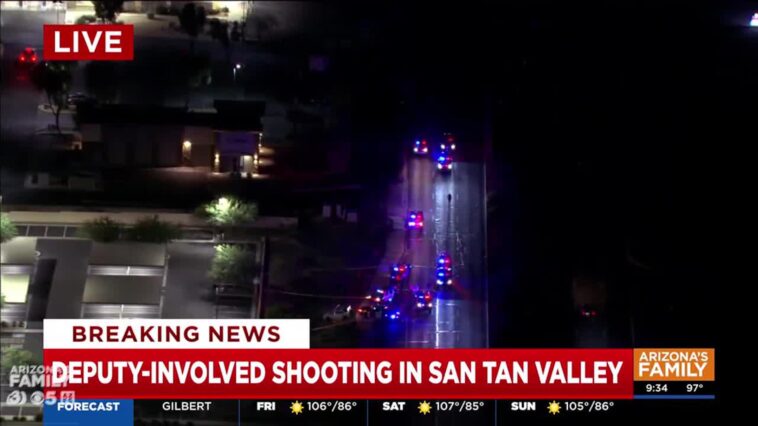
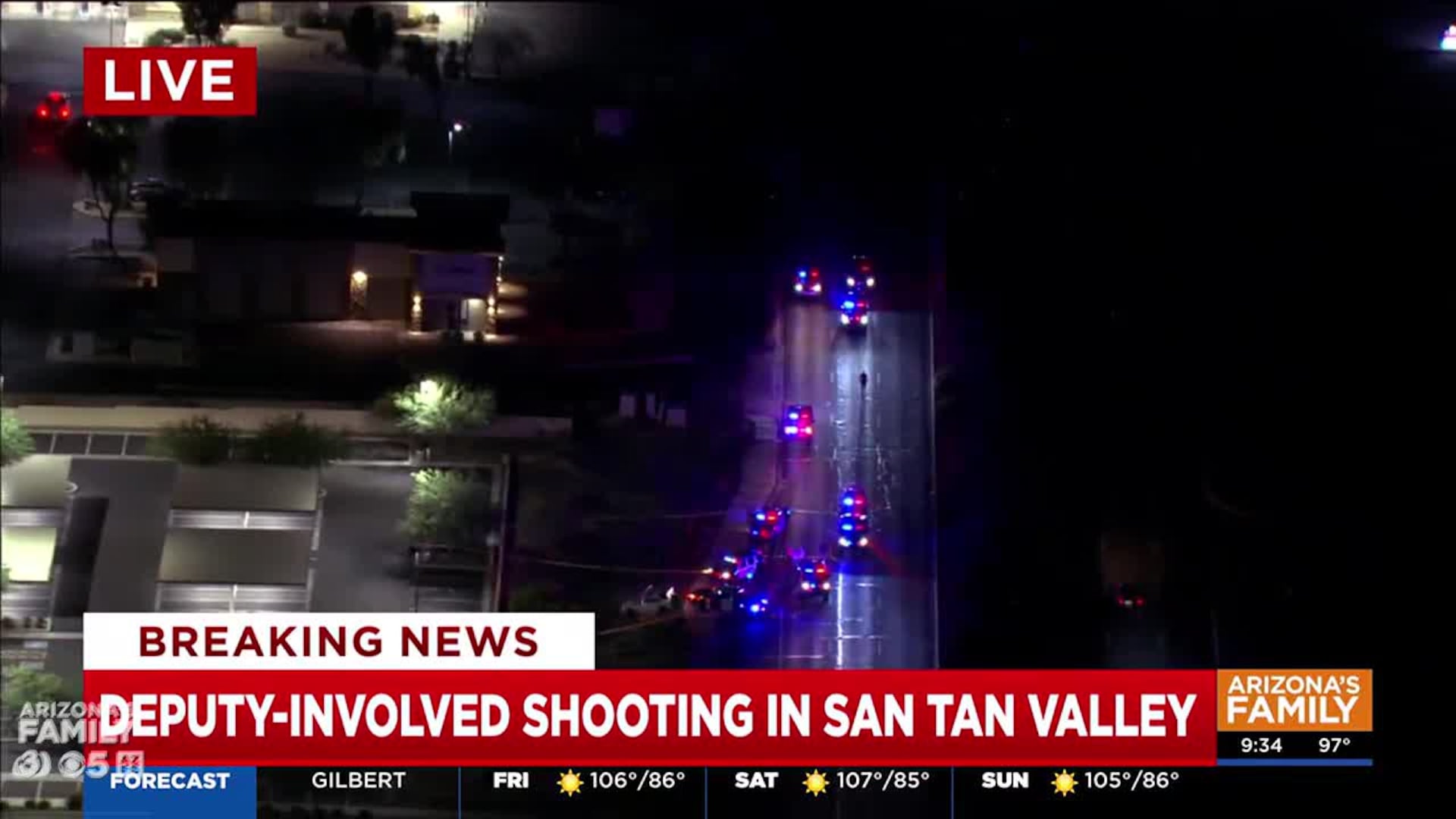
Late on a Thursday evening, a traffic stop in Queen Creek escalated into a confrontation that would leave a woman dead and a deputy injured. According to the records provided by local authorities, the confrontation began after a traffic sergeant attempted to stop a vehicle that failed to yield. What unfolded next was a pursuit that lasted approximately six minutes, culminating in the suspect crashing into a ditch.
Melissa Mills, a 46‐year‐old resident from Apache Junction with a history of running from law enforcement, emerged as the central figure in this case. After her vehicle swerved into a ditch, she stepped out, confronted the officers, and then reached for a firearm, firing on the pursuing deputies. A counter-response followed, leading to Mills being fatally shot, while one deputy sustained a non-life‑threatening injury when a bullet, or more precisely a shard of glass, hit his patrol vehicle’s eye.
This unfortunate series of events raises many questions about the decisions made by both the suspect and law enforcement alike, and it invites us to carefully consider the delicate balance between public safety and individual rights in these charged moments.
Assessing the Law Enforcement Response: Safety Versus Risk
The actions taken by the Pinal County Sheriff’s Office (PCSO) during this incident prompt us to examine the challenges faced by law enforcement when dealing with high-tension events. On the one hand, the deputies needed to ensure public safety by stopping a vehicle that blatantly disregarded traffic laws. On the other hand, engaging with a suspect known for previous run-ins poses nerve‑racking hurdles that can easily spiral into dangerous encounters.
When faced with a suspect who has a history of fleeing and criminal behavior, the situation quickly turns into a tangled issue of tactical decisions. Here, the deputies acted on their duty by pursuing the vehicle and attempting to execute a traffic stop. However, the sudden escalation in violence illustrates how quickly even a seemingly routine traffic stop can transform into a life‑threatening confrontation.
From a legal viewpoint, the question arises: Were the deputies justified in pursuing the suspect, and did they have sufficient protocol to handle such an aggressive confrontation? Sheriff Ross Teeple explained that, “This is Arizona and this is Pinal County and if you commit a criminal offense here, we’re going to take action.” Such words suggest an unwavering policy aimed at upholding the law, though they do not fully address the fine points of when and how a pursuit turns risky.
Legal Considerations in Pursuit-Related Incidents
The legal landscape surrounding vehicle pursuits is full of complicated pieces that law enforcement officials must navigate every day. Courts often examine whether the level of force used in a chase was reasonable based on the circumstances, and a key element in these cases is the assessment of risk. In incidents like this, a deputy’s decision to engage a fleeing suspect can be viewed under the lens of self-defense and duty of care to protect public safety.
Several factors are typically scrutinized in legal investigations following a high‑speed pursuit:
- Was the initial traffic violation significant enough to warrant a pursuit?
- Were the deputies properly trained to handle such tense and tricky scenarios?
- Did the suspect pose an immediate risk to fellow citizens or law enforcement personnel?
Each question represents a subtle detail that must be carefully examined to determine whether the actions taken were in accordance with established legal protocols and departmental guidelines. In this case, the history of the suspect combined with the momentary decision to flee likely influenced the deputy’s choice to pursue, even though that pursuit escalated into a violent confrontation.
The Challenge of Public Policy and Safety Protocols
At the heart of this situation lies a debate that extends beyond this single incident: How do we best protect the public while ensuring that law enforcement agents are not placed in unnecessarily dangerous situations? The discussion revolves around devising policies that clearly outline when a pursuit should be initiated, and when alternative strategies might be preferable.
Many departments have attempted to tackle these questions by refining their guidelines, including:
- Implementing stricter evaluation criteria before pursuing fleeing suspects.
- Using alternative tactics, such as aerial surveillance or coordinated roadblocks, to reduce risk during chases.
- Increasing training on de-escalation techniques during car chases and potential confrontations.
These suggestions are super important because they address both the immediate need to apprehend suspects and the long‑term necessity of preserving the safety of officers and the public alike. The Queen Creek case is a reminder that every pursuit comes with its own set of intimidating surprises, and protocols must be flexible enough to address these nerve‑racking dynamics.
Examining the Role of Prior Records in Making Split‑Second Decisions
One of the noteworthy aspects of this incident is the suspect’s previous record. Mills had a documented history of fleeing law enforcement, driving with a suspended license, and possession of drugs and drug paraphernalia. While such records can help officers anticipate potential behavior, they also raise a critical question about how much weight prior criminal history should carry when deciding on forceful engagement.
Legally, the presence of a criminal record can justify a higher degree of caution from law enforcement. However, it introduces some tricky bits regarding the balance between preventing future crimes and ensuring that the principles of justice are upheld. Officers must steer through the fine line between alerting themselves to potential risks and ensuring that each individual is still treated fairly under the law.
Moreover, the availability of prior records sometimes creates a ripple effect where officers may overestimate the likelihood of violence, potentially leading to more forceful encounters. This dynamic is full of potential problems and demands that police forces receive regular training to manage their responses to suspects with known criminal histories.
Community Reaction and the Ripple Effects on Public Trust
Every incident of this nature leaves a deep impact on community sentiment. Residents in Queen Creek and the wider region are likely grappling with questions about how such events influence their trust in law enforcement. Although deputy officers are often placed in challenging and tense scenarios, repeated exposure to violent confrontations creates an environment loaded with issues regarding accountability, transparency, and the appropriate use of force.
In communities where residents feel that law enforcement operates with complete impunity, trust is eroded. To mend this, agencies must take steps not only to implement revised pursuit policies but also to engage with the public openly about decisions that lead to such tragic outcomes. This process involves hosting community meetings, offering clear and measured explanations of police conduct, and demonstrating a willingness to adjust procedures based on feedback.
Analyzing Tactical Responses: The Good, the Bad, and the Ugly
When a suspect chooses to resist arrest, law enforcement teams are forced to deal with rapid escalation. The Queen Creek incident exemplifies how quickly a seemingly standard traffic stop can turn into a violent encounter. Here, the tactical responses of the officers involved illustrate both positive and problematic aspects of current procedures.
On the one hand, the deputies’ decision to engage the suspect from a distance and return fire was part of a broader duty to neutralize an immediate threat. Their quick thinking likely prevented further harm to bystanders and maintained control of the situation. However, the injury sustained by one deputy—caused by a bullet travelling through his patrol vehicle’s window—underscores the unpredictable nature of such engagements and the inherent risks when facing a suspect determined to put up a fight.
The dynamic of a pursuit followed by an attempted armed confrontation is filled with little twists that can alter outcomes in a matter of moments. Some of the decision-making layers here include:
- The decision to follow a suspect despite noticeable risks.
- The choice of weapon and angle of engagement during an escape attempt.
- Assessing when a suspect’s actions have crossed from a simple traffic violation to an uncontainable threat.
These subtle details bring to light the need for continuous improvement in the training and equipment provided to those in the field. They also serve as a reminder that every tactical decision in such volatile circumstances must be made with a clear understanding of potential outcomes and consequences.
The Tactical Dilemma: When to Engage and When to De-escalate
At the core of this incident is the ever-present tension between engaging a suspect and attempting to de-escalate the situation. Although the suspect’s actions blatantly endangered both law enforcement and public safety, officials must always weigh the merits of immediate force against other possible strategies.
One of the less obvious but critical issues in these kinds of incidents is the possibility that an alternative approach might have prevented the encounter from escalating. For example, could a well-timed communication from the dispatch center have provided the officer with valuable backup prior to engaging the suspect directly? Might there have been a safer method to intercept the vehicle without triggering an arms response?
These considerations are not just theoretical—they have real, practical implications for future encounters. In order to reduce risk, agencies are increasingly exploring solutions like:
- Enhanced communication channels between dispatch centers and officers in pursuit.
- Utilizing technology such as dash cams and body cams to provide real‑time assessments of a situation.
- Integrating specialized negotiation units into traffic-related pursuits for de-escalation support.
While these strategies are not without their own set of challenges and confusing bits, they represent a progressive step towards reducing the inherent dangers of high-speed chases and confrontations.
Lessons for Legal Practices and Policy Reform
In reviewing the Queen Creek shooting, several lessons emerge that could inform both legal practices and policy reforms. These lessons call on lawmakers, law enforcement agencies, and community leaders alike to work together to find practical solutions that balance justice with public safety.
Key areas that deserve our attention include:
-
Establishing Clear Pursuit Guidelines:
Creating protocols that clearly define when a high‑speed pursuit is justified and when alternative strategies should be used can help reduce the chance of violent escalation. -
Training and Support:
Ensuring that officers receive regular, updated training in de-escalation techniques—especially for situations loaded with issues due to a suspect’s past behavior—is non‑negotiable. -
Community Involvement:
Building trust with local communities through transparency and open dialogue about use‑of‑force policies is a key element in bridging the gap between law enforcement and the people they serve. -
Judicial Review and Accountability:
A thorough and impartial investigation into these encounters is necessary, not only to determine if laws were followed, but also to ensure that the application of force was proportionate to the threat posed.
Implementing such measures is not a simple matter—it requires concerted, super important efforts from multiple stakeholders. Each recommendation addresses the tangled issues that inevitably crop up in high‑stakes decisions, and together they can pave the way for a legal landscape that more effectively educates and protects everyone involved.
Media Narratives and the Public’s Right to Know
The role of the media cannot be underestimated in shaping public opinion around such incidents. News outlets often walk a tightrope between reporting the immediate facts and providing context to help the public understand the twists and turns of a situation. In cases like the Queen Creek shooting, it becomes particularly challenging to report in a balanced way without inadvertently stoking anger or fear.
Media professionals bear the responsibility of delivering this information using clear language and without sensationalizing the tension-filled details. Some strategies that could help in this regard include:
- Providing comprehensive background information about the suspect and law enforcement protocols.
- Highlighting prior cases and improvements that have been made in response to similar incidents, thereby giving readers a balanced view.
- Ensuring that all voices are heard—especially those from community leaders, legal experts, and law enforcement officials—so that the narrative remains rich with varied perspectives.
This careful treatment of sensitive news items helps to build a more informed public debate, allowing community members to contribute their own ideas on how best to manage these nerve‑racking scenarios in the future.
Implications for Future Legal and Operational Practices
As we get into the nitty‑gritty of where things might go wrong—and right—in these kinds of pursuits, it is clear that both policy and practice need to evolve in tandem. The key lies in taking a close look at past incidents, acknowledging the limitations of current practices, and charting a way forward that emphasizes training, accountability, and community engagement.
Future policies must address the following essential points:
-
Risk Assessment Procedures:
Officers should have access to enhanced risk assessment models that use historical data and real‑time intelligence to figure a path through emerging threats. -
Integrated Communication Systems:
A robust, integrated system between dispatch centers, local law enforcement, and regional task forces can facilitate more coordinated responses in chaotic environments. -
Follow‑Up Investigations:
Independent investigations ensure that every use‑of‑force incident is reviewed by judicial authorities, reinforcing the community’s trust in legal oversight. -
Enhanced Legal Frameworks:
Legislators should consider refining existing laws to support both officers in the field and citizens affected by violent encounters, ensuring that justice is achieved without compromising safety.
By sorting out these essential areas, we not only improve immediate operational practices but also lay a foundation for long‑term legal reforms that reflect the realities of modern law enforcement and public safety concerns.
Exploring the Broader Legal Context: Self-Defense and Use of Force
One of the most delicate issues in cases like the Queen Creek shooting is the application of self‑defense laws and the acceptable thresholds for use of force. Legally, an officer is generally permitted to defend themselves and others as long as the force used is proportionate to the threat faced. However, translating this principle into practice is often filled with confusing bits due to split‑second decision making.
The legal justification for the force employed by the deputies primarily rests on the idea that the suspect’s actions presented an imminent threat. Yet, understanding the subtle parts of self‑defense law requires us to consider:
-
Immediate Danger:
The suspect’s act of reaching for a weapon and shooting at the officers showed an immediate threat that legally justified a reactive use of force. -
Proportionality of Force:
Law enforcement must ensure that the force used is not excessive relative to the perceived threat. This proportionality is checked by subsequent judicial review. -
Contextual Factors:
Every use‑of‑force incident is unique. Assessing the surrounding circumstances—including the suspect’s behavior, environmental factors, and the availability of alternative tactics—is super important for any legal reckoning.
The case raises the point that while the self‑defense argument can be legally solid, it also underscores the need for a careful, transparent investigation to affirm that the force was truly necessary and measured against the actual risk posed.
Policy Recommendations: Bridging the Gap Between Practice and Public Expectations
In light of the Queen Creek shooting and similar incidents across the country, several policy recommendations emerge. These recommendations are designed to tackle the overwhelming challenges associated with high‑risk pursuits and to reduce the chance of violent outcomes in similar situations.
The following steps are proposed:
-
Review and Overhaul Pursuit Policies:
Departments should conduct comprehensive reviews of their pursuit policies, considering both recent incidents and broader trends in law enforcement challenges. This review should involve frontline officers, legal experts, and community representatives. -
Implement Advanced Training Programs:
Ongoing training that focuses on de-escalation techniques, risk assessment, and split‑second decision making is key to helping officers manage these tricky scenarios more effectively. -
Foster Community Collaboration Initiatives:
Building open channels of communication between law enforcement and the communities they serve can help address underlying tensions and pave the way for more cooperative public safety strategies. -
Invest in Technology and Support Systems:
Advances in technology can provide officers with real‑time data, improved communication tools, and more effective means of intercepting suspects without forcing a high‑risk confrontation.
These recommendations are not designed to be one‑size‑fits‑all solutions. Instead, they represent a starting point for an ongoing conversation between the public, policymakers, and law enforcement agencies about how best to protect both officers and civilians in a rapidly evolving world.
Reflections on the Future of Law Enforcement Practices
As we reflect on the Queen Creek incident and the broader implications for our justice system, it becomes evident that each confrontation carries with it a host of tricky challenges. The decision to engage a fleeing suspect is never simple, and the consequences can be both immediate and far‑reaching.
Officers must figure a path through a minefield of legal and practical issues, where every action is influenced by fine shades of judgment honed under vital training and real‑world experiences. Meanwhile, the legal system is tasked with dissecting these decisions after the fact in order to maintain accountability and ensure that the rules of engagement are followed to the letter.
It is on all of us—including legislators, law enforcement, and members of the public—to take these incidents as impetus for change. We must work through the tangled issues together, recognizing that both the protection of individual rights and the preservation of public safety are intertwined challenges that require careful attention to every detail.
Conclusion: A Call for Balanced, Informed Reforms
The Queen Creek shooting, with its nerve‑racking twists and turns, serves as a stark reminder of the competing pressures law enforcement faces on a daily basis. Balancing the pursuit of criminals against the risk of escalated violence is a daunting, albeit necessary, part of modern policing. This incident calls for a measured analysis of when to engage, how to de-escalate, and most importantly, how to maintain public trust in the legal system.
It is clear that achieving this balance will involve multiple strategies: updating pursuit policies, investing in better training and technology, and most critically, fostering an environment of transparency and community dialogue. Only by addressing these key issues head‑on can we begin to solve the overwhelming challenges that confront law enforcement today.
As we digest the lessons from this tragic event, let us remember that every use‑of‑force incident opens a conversation—a conversation that should be filled with honest appraisal, constructive criticism, and a collaborative spirit aimed at making our society safer for everyone. The legal system is more than a set of rules; it is an evolving framework that must constantly adapt to the reality of modern life. This is our chance to sort out the tricky parts, reexamine our approaches, and forge a way forward that honors both the rights of the individual and the collective need for security.
In the end, moments like these remind us that while high‑pressure situations can lead to irreversible outcomes, they also offer us opportunities to make meaningful reforms. By engaging all stakeholders in this dialogue and implementing smart, thoughtful changes, we can aspire to build a legal and operational framework that prevents unnecessary violence, supports those who serve, and respects the trust that the community places in its public institutions.
Originally Post From https://ktar.com/arizona-news/fatal-queen-creek-shooting/5729667/
Read more about this topic at
Coroner identifies 3 killed in deadly pursuit crash in …
Police pursuit in Orange County ends with violent crash …