A Closer Look at Accountability and Certification in Walker County Law Enforcement
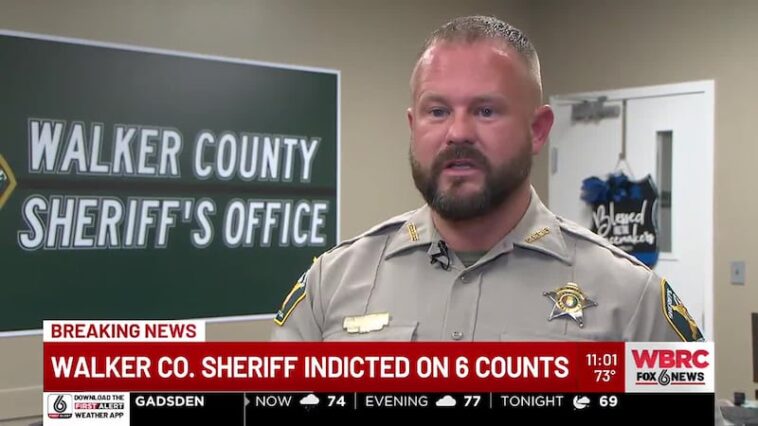
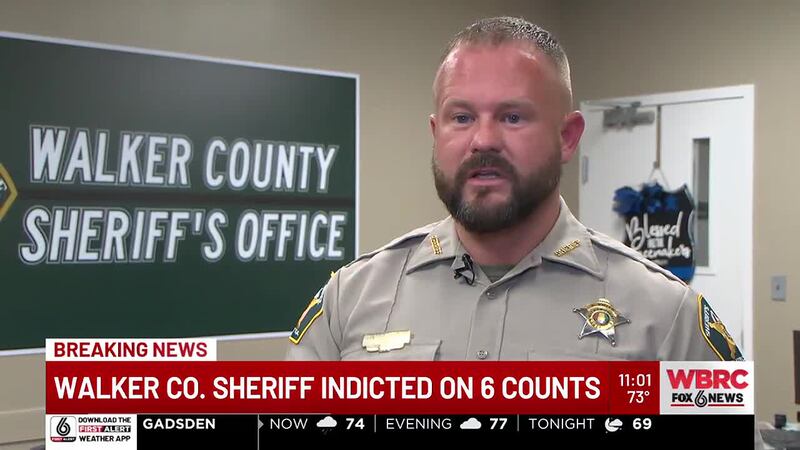
The recent indictment and arrest of Walker County Sheriff Nick Smith, along with Chief Deputy Ralph Williams, has sent ripples through our community. The allegations—that uncertified deputies were hired and that false information was provided to the state’s police certification commission—raise significant questions. In this opinion editorial, we take a closer look at the tangled issues surrounding this matter, pondering the broader implications for county law enforcement and public trust.
At the heart of this controversy lies the fact that six individuals, though lacking proper certification, were allowed to wear official uniforms, carry firearms, and otherwise serve as law enforcement officers. This situation has stirred up debates about the processes in place for hiring law enforcement personnel, the responsibilities of county leadership, and the necessity for rigorous compliance with established standards. We now have a chance to take a closer look at the fine points of certification and what this misstep means for our community.
Examining the Certification Process: The Fine Points and Hidden Complexities
The Alabama Peace Officers Standards and Training Commission (APOSTC) sets stringent requirements for anyone seeking a role in law enforcement. What might appear as a straightforward process on paper is, in fact, riddled with problems and intimidating twists and turns for those involved. To become certified, candidates must complete a 480-hour basic training course covering everything from classroom instruction to physical fitness, as well as pass various tests and background checks.
This process is super important for ensuring that only qualified and well-trained individuals are in positions with the authority to enforce the law. The process includes:
- Completion of a comprehensive training program
- Passing written and practical examinations
- Meeting the physical and mental health standards
- Undergoing thorough background checks and drug screenings
The case in Walker County is a stark reminder of what can happen when these unnecessary but key steps are skipped. When uncertified individuals are allowed to take on law enforcement roles, not only does it jeopardize the integrity of the law enforcement process, but it also leaves the department open to criticism and legal challenges.
Critics argue that decisions like those made by Sheriff Smith, particularly his effort to secure a waiver for Andrew Neves-McDonald based on past experience from another state, are examples of taking shortcut measures that ultimately undermine the safety protocols developed to protect both officers and the public. Neves-McDonald’s Arizona certification had been suspended for misconduct, making the denial of his waiver by the APOSTC an off-putting yet necessary call for adherence to the rules.
As citizens, it is essential to examine how vital the certification process is—everything from the initial hire to continued oversight serves as a safety net designed to protect public interests. When this system is compromised, the whole structure of accountability begins to crumble.
Consequences of Uncertified Hires: The Ripple Effects on Community Trust
The hiring of uncertified individuals, including school resource officers and jailers, goes far beyond merely bending regulations—it has tangible impacts on the broader community. When citizens learn that those responsible for their safety might be underqualified, it is natural for public trust to waver.
There is a delicate balance between maintaining strict hiring standards and addressing urgent needs within law enforcement. In this instance, decisions made by leadership have resulted in a situation that is both tense and confusing, laden with potential risks. Here are some of the broad consequences as perceived by community observers:
- Loss of Confidence: Residents may feel unsafe knowing that officers did not meet standard requirements.
- Legal Complications: Indictments and subsequent legal proceedings can drain resources, distract leadership, and complicate the mission of maintaining public safety.
- Community Backlash: Public criticism can result in heightened scrutiny of the entire department, paving the way for mistrust that affects overall morale.
- Recruitment Challenges: Ethical lapses and administrative missteps might deter qualified professionals from applying for future positions, exacerbating staffing issues.
In many ways, the current episode in Walker County serves as a reminder that law enforcement agencies must ensure that they find their way through the procedural requirements, however tricky some of those bits may be. When certification is not taken seriously, the very objectives of a secure, law-abiding community hang in the balance.
Scrutinizing Leadership Decisions: Are We Steering Through the Right Path?
The role of elected officials and law enforcement leaders in safeguarding public welfare is undeniable. With Sheriff Nick Smith facing indictments as he seeks re-election, questions naturally arise about his previous administrative choices. Critics say the decision to employ uncertified deputies exemplifies risky administrative practices that have now come back to haunt the department.
There is a pertinent conversation to be had about the responsibility of leadership. When decisions that may seem benign on the surface are made—such as permitting uncertified hires to bear uniforms and badges—they can later trigger nerve-racking legal proceedings and public outcry. Here are a few key points in assessing the leadership’s approach:
- Risk Management: Authorities must balance the urgency of staffing with adherence to legal standards.
- Transparency: The decision-making processes around hiring and certifications need to be communicated clearly to the public.
- Accountability: Leaders at every level must accept responsibility when administrative shortcuts create hazardous outcomes.
- Long-term Impact: The potential erosion of public trust and resultant legal complications are real risks that could take years to mend.
For many, the current situation is a signal that we need to find our way back to a foundation where lawful and transparent practices are the norm rather than the exception. It is a challenge not just for Walker County but for many jurisdictions facing similar dilemmas.
Community Reactions and the Broader Legal Context
The local community’s reaction to the allegations has been mixed. While some hold the sheriff personally accountable, others point to systemic issues within law enforcement agencies throughout the country. The resultant tension is full of problems, with community members divided over whether these missteps are reflective of isolated incidents or symptomatic of a larger, more complicated problem within our law enforcement framework.
On one side, proponents of reform emphasize the importance of adhering strictly to the established guidelines—for them, the certification process is not just a rite of passage but a fundamental component of lawful policing. On the other side, critics of the current leadership argue that the pressures of modern law enforcement sometimes force rapid decisions, potentially leading to mistakes that, while perhaps understandable, carry severe consequences.
To illustrate the complexity of the matter, consider the following table which outlines the major concerns and possible outcomes stemming from these administrative missteps:
| Concern | Description | Potential Outcome |
|---|---|---|
| Uncertified Personnel | Hiring individuals without APOSTC certification | Exposure to legal challenges and compromised public safety |
| Administrative Oversight | Lack of rigorous internal checks on hiring practices | Increased risk of systemic issues and public distrust |
| Leadership Accountability | Decisions made by high-ranking officials under political pressures | Potential retribution through legal channels and electoral consequences |
| Public Perception | Erosion of trust in law enforcement due to perceived shortcuts | Long-term issues in community-law enforcement relations |
This table highlights that the decision to bypass standard certification processes is laden with complicated pieces that reach far beyond the confines of internal administration. It affects the very foundation of law enforcement efficacy and public safety.
Breaking Down the Legal Implications of Certification Lapses
At its core, this case is not merely about administrative misfortune—it is about understanding the legal responsibilities that come with hiring law enforcement officers. The law is clear: those entrusted with public safety must undergo rigorous training and certification. Failing to do so compounds the risk not only to officers but also to the citizens they serve.
Some legal experts argue that these lapses in certification expose both the department and the county to potential lawsuits and increased regulatory scrutiny. Consider the following points as we break down the legal nuances of the situation:
- Breach of Statutory Duty: The requirement to hire only certified personnel is a statutory obligation, which, when violated, might constitute a breach of duty.
- Negligence in Oversight: The administration’s failure to enforce standards could be seen as negligent, leaving room for potential legal scrutiny.
- False Reporting and Misrepresentation: The allegation that Chief Deputy Williams provided false details regarding an officer’s employment status adds another layer of legal complexity and potential for criminal charges.
- Consequential Liabilities: Beyond criminal charges, if it is determined that the department’s actions contributed to public safety risks, further civil liabilities may arise.
When laws designed to protect public trust and ensure competent policing are not followed, it becomes a nerve-racking scenario for all involved. This particular case highlights just how key it is for each level of law enforcement leadership to ensure that they are fixing their path through the administrative and legal requirements without cutting corners.
Historical Context: Comparing Past and Present Challenges in Law Enforcement Oversight
It is often said that history is a great teacher when it comes to policy and reform. Reflecting on past instances where lapses in accountability led to severe consequences can provide a backdrop to understand the current situation in Walker County. Similar issues have been reported in various jurisdictions, where leaders have been criticized for either overlooking certification requirements or failing to update hiring processes to meet evolving standards.
Consider these historical points as examples of the broader, ongoing challenges in law enforcement oversight:
- Case Studies in Mismanagement: Previous administrations have faced scrutiny when emergency hiring measures bypassed established protocols, leading to long-term detrimental effects on community trust.
- Lessons Learned from Reform Efforts: Many agencies have since reformed their hiring practices by adding layers of verification and accountability to ensure that every officer meets the necessary legal standards.
- Impacts on Policy: These episodes have often led to legislative changes, highlighting the crucial role of clear regulatory frameworks in preventing administrative oversights.
Drawing parallels between these historical trends and the current scenario in Walker County, one can see that the issues at hand are not isolated incidents but part of a pattern that demands focused attention and thoughtful policy reform.
Public Safety and the Role of Trust in Law Enforcement
One of the most significant impacts of this controversy is the erosion of public trust—a pillar upon which effective law enforcement rests. In communities where citizens feel secure, there is general confidence that those in uniform serve with integrity, professionalism, and adherence to the law. However, when information surfaces that casts doubt on the competence of those responsible for public safety, the community’s trust can quickly degrade.
Public safety is not just about the physical presence of law enforcement, but about the perception that justice is being served correctly and fairly. Several factors come into play here:
- Perception of Competence: The hiring process and adherence to certification standards are critical parts of building an image of competence and reliability.
- Community Engagement: Transparency in decision-making helps in fostering a dialogue where the public feels involved in ensuring accountability.
- Impact of Scandals: Administrative scandals, like the current situation in Walker County, create lasting images of a troubled leadership, making it harder to rebuild trust.
To rebuild that trust, it will be important for local leaders and elected officials to take decisive action. This might include:
- Implementing stricter internal checks and balances
- Conducting external audits of hiring practices
- Enhancing community oversight committees that work in tandem with law enforcement agencies
- Ensuring that those responsible for lapses are held accountable through transparent legal and administrative processes
These steps are essential not just in restoring confidence but in establishing a foundation where such administrative missteps are less likely to occur in the future.
Reflecting on the Broader Impact of Administrative Missteps
This incident in Walker County, while it may appear as a localized event, reflects broader issues in the system. The mismanagement of hiring processes and the resulting legal complications have implications for other law enforcement agencies that grapple with similar procedural challenges. It serves as a reminder that every piece of the process—from securing certifications to maintaining transparency—must be carefully managed.
The seemingly small details, like whether or not an officer is properly certified, can have large repercussions. When certification requirements go unmet, they create a ripple effect that touches on multiple aspects of public safety:
- Operational Effectiveness: Uncertified personnel may lack the training necessary to handle complex and dangerous situations, potentially compromising operational readiness.
- Legal and Regulatory Compliance: Administrative errors can lead to legal battles that drain financial and human resources away from community policing.
- Morale Within the Department: Officers who are certified and follow protocol may become disheartened if they see that rules can be bent or bypassed without consequence.
- Community Relationships: The overall image of the law enforcement agency suffers when it appears that the system is rigged or unreliable.
The key takeaway here is that each decision in the hiring process carries weight—not only in safeguarding the integrity of the department but also in maintaining a safe environment for the community. If there is to be any hope of regaining public trust, every level of leadership must step up to ensure that these administrative oversights are corrected and that similar issues are prevented in the future.
Comparative Perspectives: How Other Jurisdictions Manage Certification and Accountability
An interesting angle to consider is how other jurisdictions manage similar issues. In many parts of the country, law enforcement agencies have taken stringent steps to ensure that only those who meet the exact requirements are allowed to serve. These measures include:
- Enhanced Vetting Procedures: Multiple layers of verification are employed, including independent background checks and psychological evaluations.
- Regular Audits: External bodies often conduct periodic audits to ensure that internal practices align with state law.
- Strict Penalties for Misconduct: Not only are administrative penalties enforced, but criminal charges can also be applied in cases of blatant negligence.
- Community Involvement: Many departments have established advisory boards made up of community members to review and guide internal policies.
These examples show that rigorous compliance with certification standards is not only possible but also essential. By taking a page out of these jurisdictions’ playbooks, Walker County could potentially avoid similar pitfalls in the future and set a standard for internal accountability that others could follow.
While each locality faces its own unique challenges, the underlying principle remains the same: public safety is paramount, and every effort must be made to ensure that law enforcement personnel are fully trained and certified. When shortcuts are taken, the results can be nerve-racking not only in legal terms but also in the loss of community faith.
Proposals for Reform: Taking a Closer Look at the Way Forward
The situation in Walker County provides a unique opportunity for reform. To ensure that future missteps are avoided, several actionable proposals could be advanced. These proposals are designed to address both the immediate concerns of certification and the broader issues of leadership accountability.
Key proposals for reform include:
- Establishing an Independent Oversight Committee: An independent body comprising legal experts, community leaders, and law enforcement veterans to monitor hiring practices.
- Implementing Continuous Training Programs: Beyond initial certification, officers should undergo frequent refresher courses to keep abreast of evolving regulations and tactical techniques.
- Enhancing Transparency: Regular public disclosures of hiring practices, certification statuses, and internal audits should be mandated to rebuild community confidence.
- Enforcing Stricter Internal Penalties: Establish clear consequences for those who fail to adhere to established protocols—even if it means administrative reassignments or legal action.
- Improving Recruitment Standards: Work closely with accredited academies and training facilities to ensure a continuous pipeline of well-qualified candidates.
Each of these proposals, if implemented, could help to address the problematic bits of the current situation. They offer a roadmap towards rebuilding a structure where law enforcement officers are not only adequately certified but also held to high standards of accountability and professionalism.
A comprehensive approach that combines internal reforms with community engagement would create an environment that not only rectifies past wrongs but also lays the groundwork for future success. As this controversy continues to unfold, it is our responsibility as a community to ensure that all levels of law enforcement are both transparent in their processes and unwavering in their commitment to public safety.
Community Dialogue and Future Accountability
In the wake of these events, fostering a community dialogue is super important. Open conversations about where things went wrong and how to prevent similar issues in the future are essential. Community meetings, public forums, and town hall discussions offer platforms where citizens can voice their concerns and propose solutions.
Key steps to improving accountability through community engagement include:
- Active Listening Sessions: Law enforcement leaders should host sessions aimed at understanding the community’s perspectives on the certification process and related issues.
- Regular Updates: Timely press conferences and updates from district attorneys and department heads ensure that the public is kept in the loop about developments and reforms.
- Establishing Feedback Channels: Creating formal mechanisms for citizens to report concerns and suggest improvements can help detect early warning signs of administrative issues.
- Collaborative Oversight: Forming advisory committees that include local representatives can enhance transparency and accountability.
Clear and open lines of communication will be fundamental in making sure that law enforcement does not operate in isolation from the community it serves. Trust can only be rebuilt when citizens see that their voices matter and that real changes are being made in response to their input.
The Election Factor: Political Implications and Leadership Accountability
One cannot ignore the political dimension in these events—especially as Sheriff Nick Smith is currently seeking re-election. The timing of this development is nerve-racking, as it raises the question: can one simultaneously manage administration, legal battles, and a political campaign? The perception is that leadership decisions made during politically charged times can sometimes lead to shortcuts that have long-lasting consequences.
While campaigns are inherently off-putting in their competitive nature, they must not interfere with proper administrative practices. When elected officials are seen as prioritizing political expediency over sound operational procedures, the entire framework of accountability is disrupted. For those invested in ensuring that the community’s safety remains uncompromised, this issue is a call to action for:
- Enhanced Scrutiny: Voters and oversight bodies must examine the track records of officials whose backgrounds are intertwined with contentious administrative decisions.
- Greater Transparency in Campaigning: Candidates should provide clear, detailed responses related to their commitment to rectifying systemic issues.
- Constructive Political Debate: Discussions about law enforcement practices should transcend partisan politics and focus on the essential details of public safety.
Ultimately, while the intersection of politics and law enforcement administration is inevitable, it is crucial that political rivalries do not overshadow the need for a properly functioning certification system—a system that protects community interests above all.
Learning from the Current Crisis: Practical Steps Forward
As the legal proceedings progress, it is time for the community and law enforcement alike to take stock and figure a path forward. Reflecting on the events that led to this crisis, here are some practical steps that both policymakers and law enforcement administrators might consider:
- Comprehensive Review of Hiring Practices: An independent audit of current hiring procedures can help identify the tangled issues that may have allowed uncertified personnel to be employed.
- Enhanced Training and Certification Protocols: Collaborate with training academies to ensure that the learning process remains up-to-date and aligned with current legal standards.
- Transparent Reporting Mechanisms: Develop clear reporting channels for both internal and public scrutiny, so any deviation from set standards is immediately addressed.
- Regular Inter-agency Collaboration: Engage with other law enforcement agencies to share best practices and lessons learned from past mistakes, ensuring that each department can benefit from collective knowledge.
- Boosted Community Engagement Initiatives: Promote initiatives that foster closer interaction between officers and community members to rebuild trust and improve mutual understanding.
Implementing these steps will not only address the immediate fallout from the current indictments but will serve as a preventive measure for future issues. They are practical measures designed to deal with both the legal and societal twists and turns that have characterized this case.
Conclusion: Charting a Course Toward Reformed Accountability
In wrapping up, the indictment of Walker County Sheriff Nick Smith and Chief Deputy Ralph Williams serves as a stark reminder that every decision, no matter how minor it seems, can have far-reaching consequences. The hiring of uncertified deputies, the questionable waiver attempt, and the subsequent fallout from these decisions reveal a system that is at once strained and in need of reform.
This incident calls upon us to dig into the finer details of law enforcement administration. It compels us to scrutinize leadership decisions, enhance certification protocols, and rebuild community trust through transparency and continuous improvement. Leadership must steer through these challenging times by ensuring that every employee is appropriately trained and certified, and that any deviation from these standards is met with immediate accountability.
For the community, this is a learning moment—a time to demand clearer communication and stricter oversight. Law enforcement agencies must be held to the highest standards, not only because the laws require it, but because each officer’s readiness directly impacts public safety. As we move forward, robust, transparent, and accountable administrative practices are not off-putting burdens but super important building blocks of a secure and just society.
Now, more than ever, it is essential to figure a path that rebuilds the systems of integrity in our law enforcement framework. By embracing reform, upgrading certification methods, and fostering open dialogue, we can transform this trying period into a turning point for improved public safety and trust in our institutions.
Every community deserves a police force that is thoroughly trained, properly certified, and unwavering in its commitment to the law. As members of a society that values both justice and safety, it is our duty to ensure that administrative shortcuts do not undermine the public’s well-being. Through collaborative effort and transparent oversight, the challenges faced in Walker County can become the impetus for a much-needed overhaul—one where every twist and turn in the journey is met with decisive, thoughtful action.
In the end, accountability is not just about resolving legal challenges but about establishing a culture where public safety is super important and transparent practices are the norm. Let us take this moment as an opportunity to reinforce our commitment to upholding the standards that protect us all, ensuring that the right path is followed, no matter how intimidating or complex the pieces might appear.
Originally Post From https://yellowhammernews.com/walker-county-sheriff-indicted-and-arrested-for-hiring-uncertified-deputies/
Read more about this topic at
San Mateo Co. sheriff won’t resign, promotes controversial …
A timeline of the controversies involving the sheriff’s office