Reflections on a High-Volume Drug Redistribution Case and Its Legal Implications
The recent sentencing of Gregory Beers, a 32-year-old man from Edgewood, has reignited debates about the challenges faced by law enforcement and the justice system when dealing with high-volume drug trafficking. In this opinion editorial, we take a closer look at the case, its far-reaching effects on communities, and the tangled issues that arise when organized crime collaborates with prison gangs.
This case is more than an example of a convicted criminal; it is a mirror reflecting the broader struggles of a society trying to cope with a dangerous mix of illegal drug activities, white supremacist networks, and the legal complexities that follow. As we poke around into the details of the case, the evidence, and the outcomes, it is important to consider how this case informs our understanding of both legal processes and community welfare.
Legal Consequences and the High-Stakes World of Drug Trafficking
The sentence handed down to Beers—12.5 years in prison—is emblematic of the justice system’s response to crimes that affect communities profoundly. Federal prosecutors described Beers as a “high-volume” drug redistributor who operated under the direction of Jesse James Bailey, the leader of one of three branches within a network tied to white supremacist prison gangs. It is a stark reminder of how a single case can have trickily intertwined legal and social ramifications.
Within the preserved record of events, there are several key details that illustrate the gravity and scale of the operation:
- Seizure of thousands of fentanyl pills that have devastated communities.
- Large quantities of other dangerous substances such as methamphetamine, heroin, and even packets of cocaine.
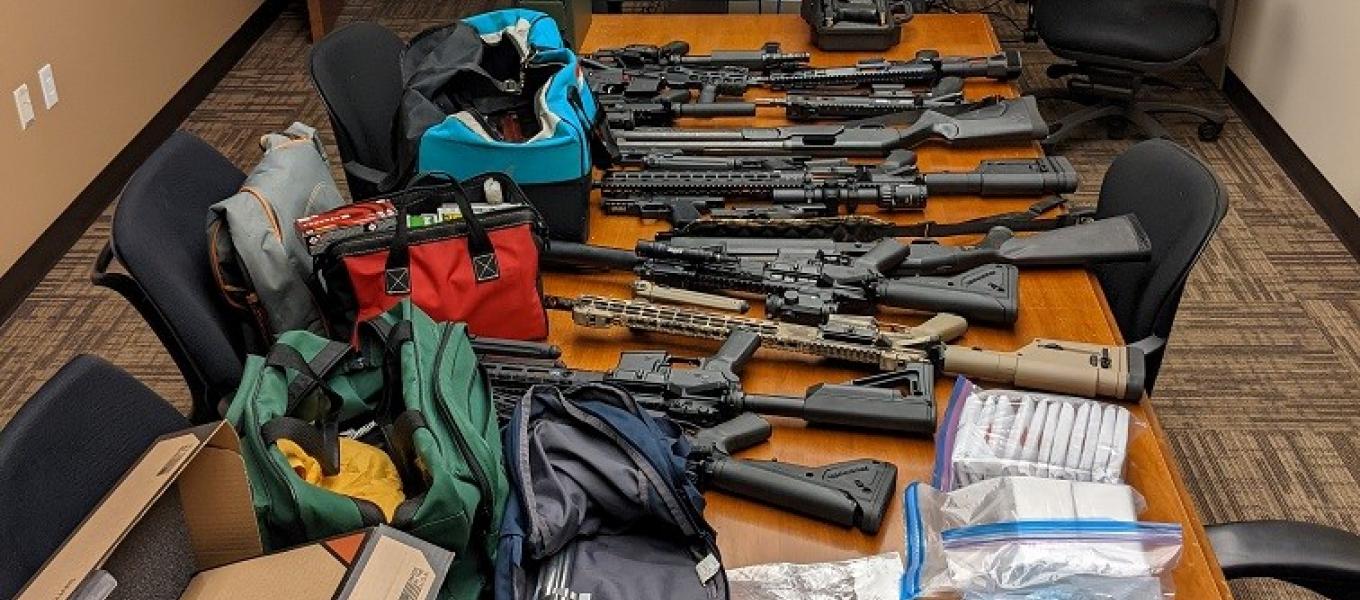
- Multiple firearms and protective gear that underscore the violent nature often associated with these operations.
The following table summarizes some of the crucial evidence gathered during the investigation:
| Item | Quantity | Locations |
|---|---|---|
| Fentanyl pills | 830,000 (in an earlier seizure) & thousands in later operations | Multiple locations across Washington and Arizona |
| Methamphetamine | 223 pounds (from one seizure) and additional kilos later | Various sites related to the operation |
| Firearms | Over 200 in combined seizures | Multiple residential and commercial premises |
| Cash & Jewelry | Over $330,000 to nearly $388,000 in cash, plus expensive jewelry | Seized from vehicles and personal storage |
These figures and facts are not simply numbers; they offer a glimpse into the stark realities behind a drug distribution network deeply embedded in illegal activities. At the heart of the matter, one cannot avoid the overwhelming interplay between substance abuse and organized crime—a topic that continues to challenge our legal framework.
Examining the Evidence: Arrests, Convictions, and the Tangle of Criminal Charges
When law enforcement officials conducted the raid on multiple locations in March 2023, they uncovered not only vast quantities of narcotics and weapons, but also detailed drug ledgers documenting the extent of the criminal enterprise. Gregory Beers, who was eventually arrested on April 11, 2023, found himself at the focal point of a multi-jurisdictional investigation that involved extensive wiretap surveillance over 18 months.
The complexity—or rather, the tricky parts—of this case lie in the fact that it featured both an overwhelming array of evidence and an episode of blatant criminal arrogance. Beers allegedly flaunted his role in the drug trade by sending videos that showcased his firearms and drug proceeds to inmates in the Department of Corrections. This behavior not only underscores his defiance of authority but also illustrates the nerve-racking mindset of criminals who feel shielded by anonymity within their circles.
Law enforcement officials have painted an image of a man who, despite the clear risk posed by law enforcement scrutiny, continued his narcotics dealings even after his co-conspirators were arrested. Such actions have led to arguments in court over the level of recklessness and the intentional disregard for community safety. Ultimately, the court ruled the matter severe enough to warrant a lengthy prison term—a decision meant to serve both as retribution and a deterrent for similar crimes.
Detailed Breakdown of Items Confiscated During the Operation
To better understand the scale of criminal operations involved, here is a bullet-point list outlining the critical items seized by law enforcement:
- Fentanyl pills—thousands from multiple scenes, some amounting to over 800,000 pills in one notable seizure.
- Methamphetamine—ranging from a few kilos to hundreds of pounds in combined seizures.
- Heroin and cocaine—substantial quantities that further illustrate the network’s reach.
- Firearms and protective gear—multiple handguns, ballistic vests, and ammunition found both inside vehicles and residences.
- Cash and expensive jewelry—the monetary rewards were flaunted by the perpetrator, highlighting the personal enrichment that motivated the crime.
These details provide a context for understanding the depth of the investigation and the legal challenges that prosecutors had to face when they took the case to court.
Community Impact: The Ripple Effects of High-Volume Drug Distribution
The charges against Gregory Beers were not merely a legal matter; they had severe and direct effects on community health and safety. Communities have been reeling from the impact of fentanyl—a substance notorious for its potency and lethality. Local law enforcement sentiments echoed the view that thousands of fentanyl pills “wreak havoc on our community,” with people losing their lives and the surviving individuals left to cope with the daunting aftermath.
Every large-scale drug trafficking operation leaves behind a trail of difficult issues, from public health challenges to increased crime rates. Communities faced with such challenges are dealing with tricky parts not only medically but also socially, as families and neighborhoods contend with addiction and the consequences of drug-related violence.
How Communities Cope with the Aftermath
Communities affected by these high-volume operations are forced to find ways to:
- Address the surge in overdose cases and the resulting strain on local hospitals.
- Ensure that law enforcement is properly resourced to manage both reactive and proactive measures.
- Introduce educational programs aimed at preventing drug abuse and the spread of narcotics.
- Develop support systems for individuals who are at risk of falling into the cycle of addiction and criminality.
These measures, though critical, often require dealing with the nerve-racking challenges of funding, political will, and the varied local attitudes toward drug enforcement and intervention. The story of Gregory Beers is just one chapter in the broader narrative of how drug trafficking continues to load communities with devastating problems.
Law Enforcement’s Role and the Legal System’s Response
The case against Beers highlights several smaller twists and turns in the process by which law enforcement agencies and the legal system work together to bring down organized criminal networks. The coordinated raids across Washington and Arizona speak to a well-orchestrated multi-agency effort that had to overcome countless tricky parts and hidden complexities in gathering evidence and tracking a well-connected distributor.
Judges like U.S. District Court Judge David G. Estudillo had to take into account not only the quantity and quality of evidence but also the broader implications of setting a legal precedent. By handing down a 12.5-year sentence, the judge sent a message regarding the seriousness of crimes that involve organized drug trafficking, particularly when those crimes are connected to violent gangs and involve a substantial community impact.
Understanding the Legal Process
There are several steps involved in a case like this, each presenting its own set of challenges:
- Investigation: Dedicated federal and local law enforcement officers collaborated to stitch together the narrative behind the drug operations.
- Arrest and Evidence Collection: Once suspicions were confirmed, raids were coordinated across state lines, leading to extensive evidence collection.
- Legal Proceedings: Prosecutors compiled a detailed account of the criminal activities, using evidence that ranged from digital communications to physical seizures.
- Sentencing: The courtroom became the stage where the judge took several factors into account, including the defendant’s blatant disregard for laws and public safety.
At each stage, the legal system had to work through intricate details and challenging issues while ensuring that due process was maintained. The result, a lengthy prison term, is a reflection of both the overt dangers posed by high-volume drug traffickers and the meticulous actions taken by law enforcement and prosecutors alike.
Drug Trafficking and Its Collateral Damage: A Broader Perspective
It is critical to recognize that Gregory Beers’ case did not occur in isolation. Instead, it is part of a much larger struggle against drug trafficking which, over the years, has grown in scope and complexity. When communities get entangled in these dangerous operations, the ripple effects extend far beyond the immediate acts of crime.
Consider the following broader implications:
- Public Health: The proliferation of potent substances like fentanyl creates urgent public health crises characterized by rising overdose deaths and a pressing need for intervention strategies.
- Social Services: Family structures and social networks are often thrown into disarray as addiction takes hold and crime rises, leading to longer-term social instability.
- Law Enforcement Resources: Agencies are increasingly forced to allocate more resources to tracking and dismantling large-scale trafficking operations, which in turn limits their reach in other areas of public safety.
- Economic Costs: The cost of drug-related crimes—both in terms of human life and economic impact—is enormous, impacting everything from healthcare systems to worker productivity.
Each of these points touches on a series of complicated pieces that collectively form a network of challenges. While arresting a key figure like Beers is an essential step, it is only part of a long and winding path toward mitigating the broader, systemic issues.
Effect on Local Economies and Social Fabric
When dangerous drugs infiltrate communities, they tend to leave behind a trail of economic decline and social distress. Some of the observable effects include:
- Increased Crime Rates: Areas affected by drug trafficking may see a surge in violent crimes as gangs fight for control, further destabilizing local peace.
- Strained Public Services: Emergency services and hospitals bear the brunt of increased demands, sometimes leading to resource shortages and delayed response times.
- Property Value Decline: Neighborhoods known for being affected by drug activities can experience a drop in property values, affecting community investment and growth.
- Community Trust Erosion: Trust in local authorities diminishes when communities feel that drug trafficking and related crimes are tolerated or not swiftly addressed, which in turn hampers civic engagement.
Addressing these issues requires a coordinated effort among policymakers, law enforcement, community leaders, and social workers. While much has been accomplished in terms of direct law enforcement, solving the tangled issues at the heart of drug trafficking demands solutions that go beyond the courtroom.
Assessing Accountability and the Road Ahead for Justice
The sentencing of Gregory Beers is, without doubt, a headline-grabbing moment in the fight against organized drug trafficking. However, it also raises a range of questions about accountability, both for individuals and the broader criminal networks that operate under the influence of white supremacist ideologies. The palpable tensions within the justice system stem from the need to ensure that criminals are not only punished but also prevented from causing further harm.
The actions of Beers—continuing his criminal enterprise even in the face of imminent arrest—reveal a startling disregard for the law and public safety. By sending videos and flaunting his assets, he created an environment where the typical mechanisms of deterrence seemed to falter. These behaviors force us to confront the nerve-racking reality that some individuals are willing to take extreme risks for personal gain, no matter how off-putting the consequences might be for society at large.
Exploring the Legal Philosophy Behind Sentencing
When we take a closer look at the principles underpinning the sentencing, several key considerations emerge:
- Proportionality: The sentence must reflect the magnitude of the crime. With thousands of fentanyl pills and severe community damage in the mix, a lengthy prison term can be seen as an attempt at proportional justice.
- Deterrence: One of the goals of sentencing is to discourage others from engaging in similar criminal behavior. By imposing a harsh sentence, the justice system sends a clear signal that high-volume drug distribution will be met with decisive action.
- Rehabilitation: While punishment is necessary, there remains an ongoing debate about whether the system should also seek to rehabilitate offenders who might be integrated back into society. In cases involving organized crime, this is further complicated by the offender’s association with highly dangerous networks.
- Public Safety: Ultimately, the primary goal of the legal system in such cases is to protect the public. With the risks posed by potent drugs like fentanyl, securing the safety of communities becomes an overriding concern.
These points are interconnected with each other in a series of subtle details, each contributing to the final judicial decision. While some may argue for a stronger rehabilitative approach, most agree that the immediate priority must be the prevention of future harm.
The Connection Between Organized Crime, White Supremacist Networks, and Prison Gangs
The case in question also uncovers the tense intersection between drug trafficking and extremist prison gangs. Beers’ involvement with a network linked to white supremacist groups adds an unsettling layer to this crime. In examining these connections, it is essential to understand that such alliances are more than just criminal transactions—they are also ideological endorsements that can have long-lasting social consequences.
Prison gangs often create a breeding ground for dangerous ideas, and when these groups engage in high-volume drug trafficking, they not only fund their operations but also perpetuate a cycle of violence and hatred. This duality of criminality and extremism deepens the challenges faced by law enforcement and the communities caught in the crossfire.
Key Elements of the Network’s Operations
Some of the small distinctions in the operations tied to these networks include:
- Ideological Motivation: Unlike many drug traffickers whose actions are driven solely by profit, members of these networks often operate with an added ideological component that can exacerbate tension and violence.
- Operational Secrecy: These networks are adept at concealing their activities, using coded communications and sophisticated methods to avoid detection.
- Interconnected Criminal Enterprises: Often, these groups work in tandem with other criminal elements, making it difficult for police to isolate a single node in the network without dismantling the entire operation.
Understanding these nuances requires not just a legal perspective but also an awareness of the broader sociopolitical currents that drive such behavior. As communities continue to be affected by the ripple effects of this type of crime, it becomes super important to work collaboratively across different sectors to address both the immediate legal and the long-term societal challenges.
Implications for Future Legal Strategies and Public Policy
The sentencing in this case serves as a wake-up call for lawmakers, law enforcement officials, and community leaders alike. It is a vivid example of how organized drug trafficking, particularly when intertwined with extremist ideologies, poses not only a criminal threat but a societal one. Looking ahead, there are several areas of concern that policymakers must address:
- Enhanced Interagency Collaboration: With crimes frequently spanning multiple jurisdictions, there is a pressing need for better coordination between local, state, and federal agencies. Efforts to find your way through the complexities of cross-border investigations and share intelligence are crucial.
- Investments in Technology and Surveillance: In the modern era, technology plays a critical role in tracking and apprehending criminals. Enhanced surveillance, data sharing, and digital forensic capabilities can help law enforcement agencies poke around more effectively to uncover such extensive networks.
- Reevaluation of Drug Policies: The persistence of a lucrative drug market invites us to consider whether current drug policies are adequate. There is significant debate about harm reduction versus punitive measures, and new policies must address both supply-side interventions and community-based prevention programs.
- Community Outreach and Education: Beyond legal strategies, local communities must be empowered through education and social programs that both prevent drug abuse and help people recover from its damaging effects.
By addressing these areas, policy makers can start to untangle the problematic parts associated with drug trafficking, ensuring that the legal system is not merely reactive but also proactive in its approach to public safety.
Proposed Policy Recommendations
A multi-pronged strategy that involves both law enforcement and community initiatives can help steer through these issues:
- Stronger Funding for Interagency Task Forces: Creating specialized task forces that focus exclusively on multi-state operations can bridge gaps between jurisdictions.
- Technology Upgrades: Investing in modern forensic tools, enhanced wiretap capabilities, and digital crime analysis will help agencies dig into data and seize critical moments of criminal activity.
- Community Engagement Programs: Support groups, educational seminars, and drug prevention outreach can be pivotal in reducing the demand for narcotics and in rebuilding trust.
- Judicial Training: Ensuring that judges and prosecutors are up-to-date on the tricky parts of organized crime investigations will lead to more informed sentencing and better legal outcomes.
These recommendations do not provide a panacea for all the problems associated with high-volume drug trafficking, but they are an essential starting point for managing your way through an increasingly complicated legal landscape.
Looking Forward: The Broader Impact on Justice and Society
Ultimately, the Gregory Beers case is a reminder of the enduring challenges our legal system faces when confronted with organized crime and extremism. While the 12.5-year sentence may not undo the damage wrought by the illegal distribution of fentanyl and other controlled substances, it does send a super important message: the justice system is prepared to act decisively against those who endanger public well-being.
In reflecting on this case, several small twists emerge. The evident arrogance portrayed by the criminal, his blatant flaunting of his illicit gains, serves as a stark counterpoint to the measured, often painstaking, efforts of law enforcement and judicial authorities who battle to protect communities every day. As critics and legal experts debate the best ways to curb such high-volume operations, one truth persists: effective legal strategies must involve both the strict enforcement of current laws and innovative, community-focused reforms.
The Role of Public Awareness in Shaping Policy
As individuals, staying informed about such cases can inspire broader public discourse. Through public awareness, society can push for reforms that address both the root causes of drug trafficking and its devastating externalities. Some areas where public awareness is essential include:
- Understanding the Link: Public education about the connection between drug trafficking and community harm can help galvanize support for tougher, yet balanced, law enforcement measures.
- Advocating for Rehabilitation: Increased awareness about the potential for rehabilitation, even for individuals involved in such complex crimes, can lead to policies that support reentry programs and reduce recidivism.
- Collaborative Community Solutions: A well-informed public is better positioned to demand the establishment of community outreach initiatives, which serve as a frontline defense against the spread of illegal drug markets.
For communities that have suffered in the wake of high-volume drug trading, public engagement, combined with robust policy measures, may be the key to charting a more stable future.
Concluding Thoughts: A Call for Integrated Solutions
In recapitulating the many angles of this case, one cannot ignore the toll that high-volume drug trafficking takes not only on the individuals directly involved but on entire communities. The intertwined issues of organized crime, irresponsible behavior, and the resulting public health and safety crises demand solutions that are as multifaceted as the challenges themselves.
The sentencing of Gregory Beers is a moment of both resolution and reflection. His 12.5-year prison term, while a necessary retribution for his actions, also underscores the need for strategic reforms that cut across law enforcement, public health, and education. Future legal strategies must find your way around not only the glaring evidence of criminal acts but also the tangled issues that sustain these networks of crime.
As we figure a path forward, it is crucial that policymakers, law enforcement agencies, and community leaders maintain an open dialogue. Only by working together can we address the hidden complexities and slight differences that are often the most challenging parts of drug trafficking cases. In doing so, society can hope to forge a safer, more resilient future—one where the influence of high-volume illegal activities is steadily diminished through concerted, collaborative effort.
Key Takeaways for a Safer Future
Here are some essential points distilled from our examination of this case:
- High-profile cases such as this serve as a reminder of the potent danger posed by organized drug trafficking networks, especially when they are linked to extremist ideologies.
- The community impact of potent substances like fentanyl extends far beyond statistics—it affects every social, economic, and health aspect of local life.
- The legal system, while dealing with overwhelming amounts of evidence and a host of tricky parts, must strike a balance between punishment and proactive measures to deter future crimes.
- Effective reform will require integrated solutions, including enhanced law enforcement collaboration, investments in technological advancements, and robust public education and outreach programs.
In the end, the path forward is clear: a reimagined approach to legal enforcement and community engagement is needed—one that equips all stakeholders to manage their way through the nerve-racking challenges of modern organized crime. Only then can we hope to achieve lasting improvements in safety and well-being for all members of our communities.
As we watch the legal and political debates unfold in the wake of this case, it is incumbent upon us, as observers and members of our communities, to support initiatives and reforms that address both the immediate and long-term effects of such criminal enterprises. The fight against high-volume drug trafficking is not just a matter of strict enforcement, but also one of community resilience and informed public policy—a combination that will be critical to building a safer society in the years ahead.
While no single case can resolve the multi-dimensional problems inherent in drug trafficking, each legal action contributes to a broader framework aimed at protecting public health and fostering safer communities. Let this case serve as a reminder that the battle against such criminal networks is ongoing, and that our commitment to integrated, community-focused solutions must remain as strong as ever.
Originally Post From http://www.chronline.com/stories/pierce-county-man-sentenced-in-high-volume-drug-redistribution-tied-to-prison-gangs,382286
Read more about this topic at
Vancouver drug traffickers linked to Wolfpack gang …
5 sentenced after investigation into gang-linked drug- …